Cultural
Monument national du Grand Zimbabwe
Zimbabwe
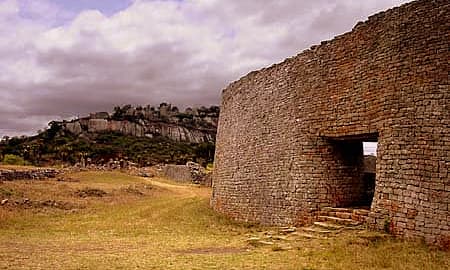
Photo : Macvivo at English Wikipedia (CC BY-SA 3.0)
Located in southeastern Zimbabwe, this archaeological site represents the remains of a major medieval African city that flourished between the 11th and 15th centuries. The monument consists of stone structures built without mortar, featuring distinctive dry-stone masonry techniques characteristic of the region's architectural traditions. The site encompasses a hilltop fortress, known as the Acropolis, and extensive ruins in the valley below, including residential quarters and ceremonial platforms that demonstrate sophisticated urban planning. Its inscription as a UNESCO World Heritage Site recognizes its exceptional testimony to the development of Bantu civilization and serves as evidence of extensive trade networks that once connected the interior of southern Africa with coastal regions and the Indian Ocean trade routes. The monumental stone construction and the scale of the settlement underscore the political, economic, and cultural significance of this center during its period of occupation. The ruins provide valuable archaeological documentation of pre-colonial African urban development and architectural achievement.