Cultural
Site archéologique d’Ani
Turquie
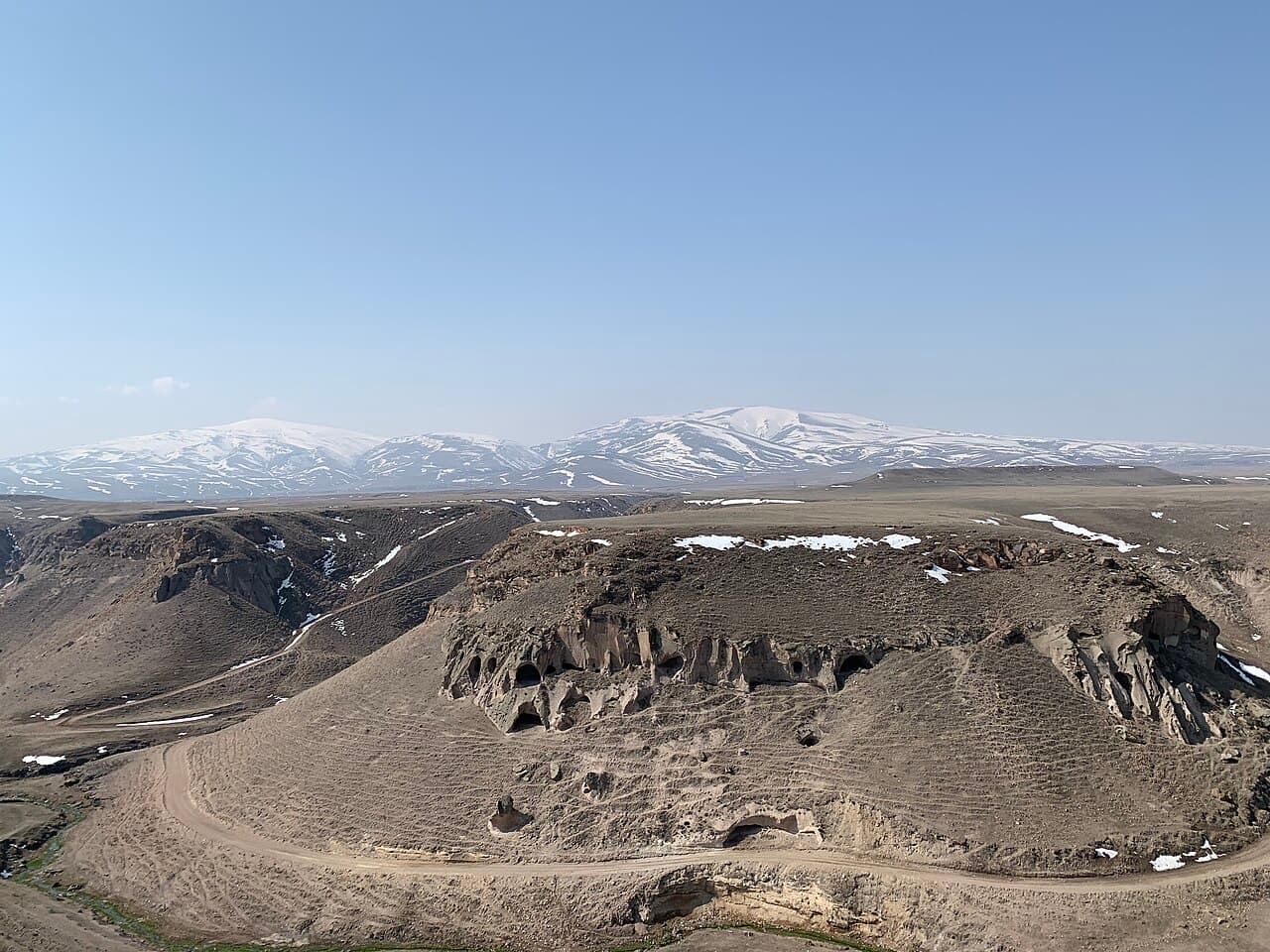
Photo : Héctor Ochoa 'Robot8A' (CC BY-SA 4.0)
Located in eastern Turkey near the Armenian border, this archaeological site comprises the ruins of a medieval Armenian city that flourished as a major trade hub along the Silk Road. The site preserves remains from multiple periods of occupation, with the most significant structures dating to the 10th and 11th centuries when Ani served as the capital of the Bagratid Armenian Kingdom. The city's layout and architecture reflect the sophisticated urban planning of its era, featuring churches, fortifications, residential quarters, and public buildings constructed in distinctive Armenian stone. The site's cultural significance lies in its representation of medieval Armenian civilization and its architectural achievements, which demonstrate important influences from Byzantine, Persian, and local building traditions. The dramatic natural setting on a high plateau surrounded by deep ravines has contributed to the preservation of the ruins, which remain largely uninhabited since the city's decline following Mongol invasions and trade route changes. The archaeological remains provide valuable evidence of medieval urban development and cultural exchange in the Caucasus region during the medieval period.