Cultural
Ville historique d’Ayutthaya
Thaïlande
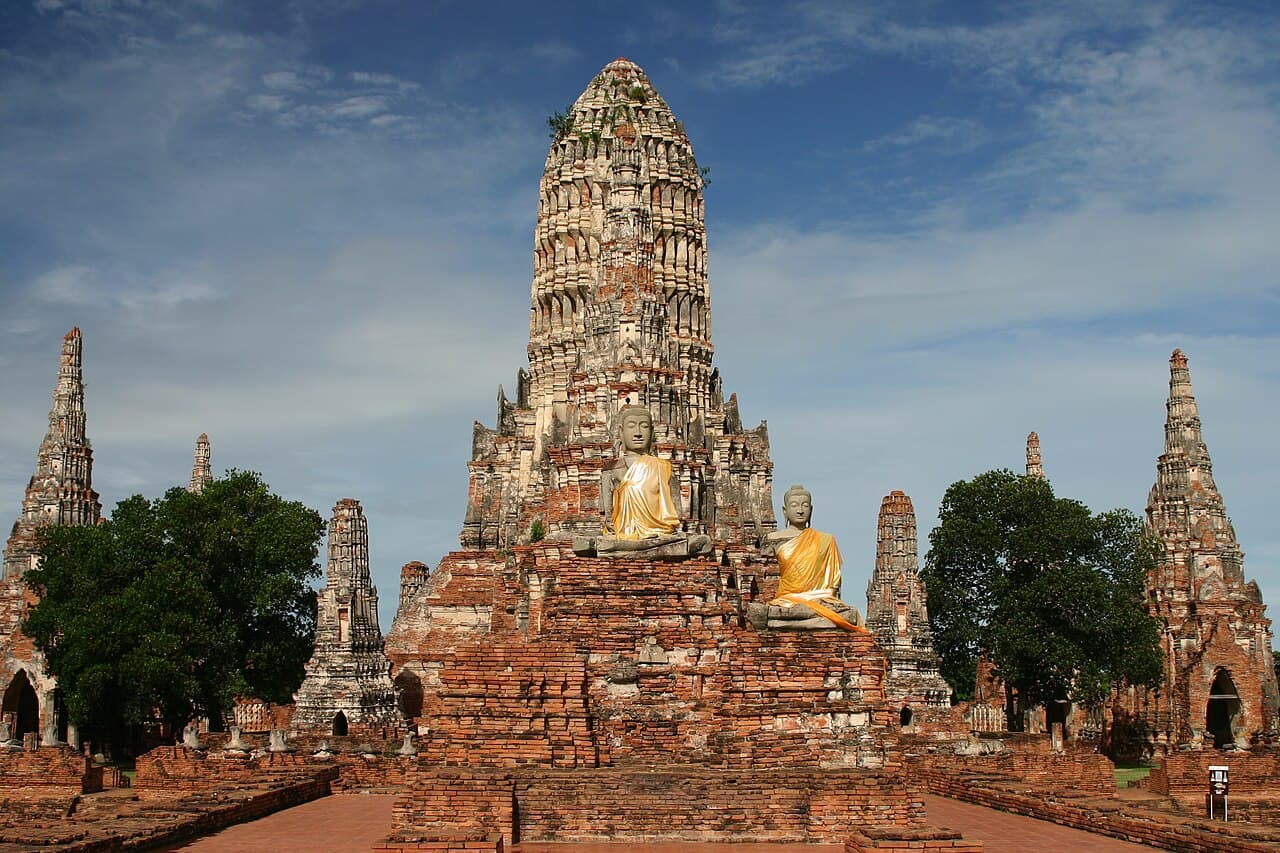
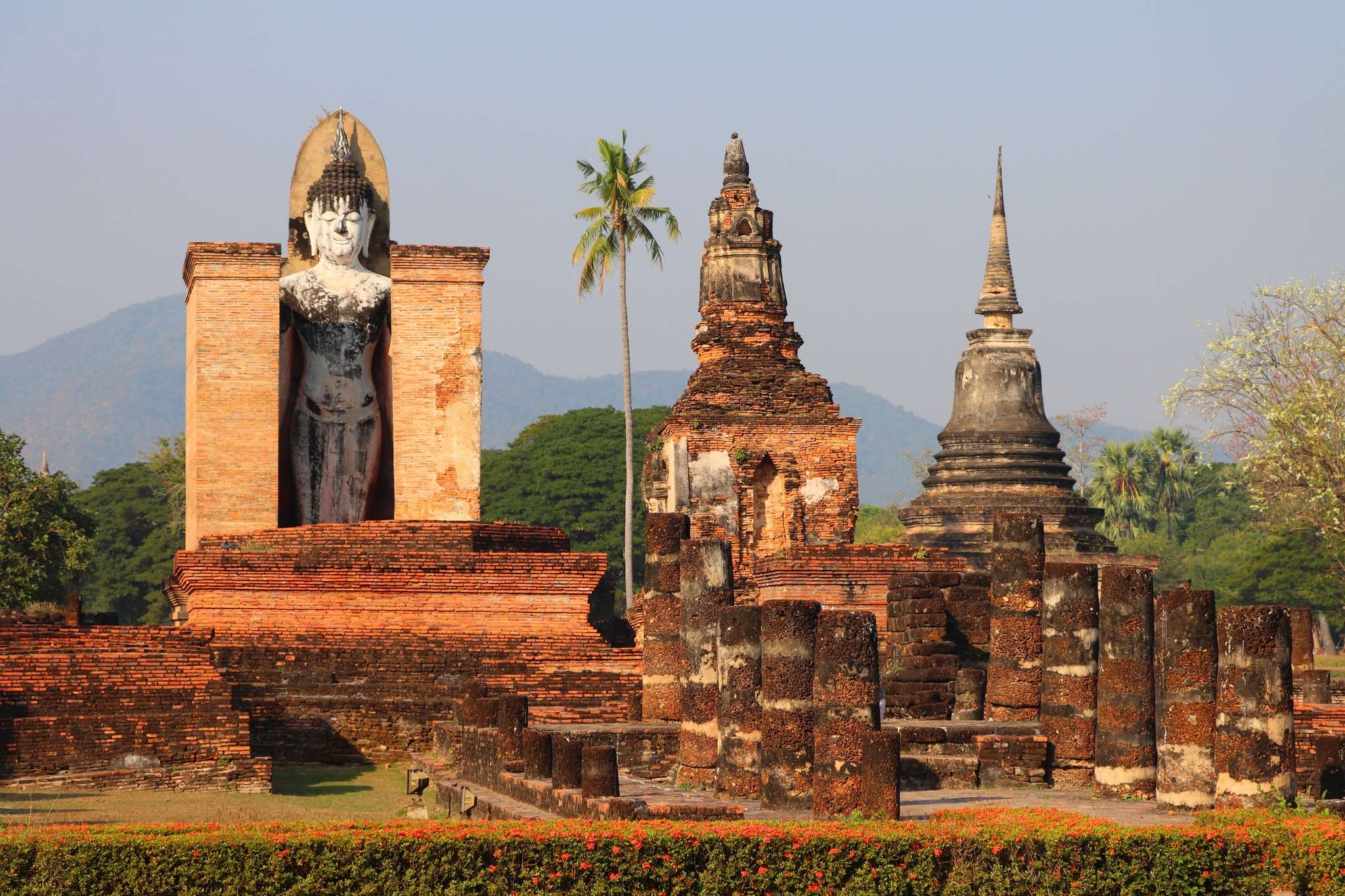
Located in central Thailand, approximately 80 kilometers north of Bangkok, this ancient city stands at the confluence of three rivers and represents one of Southeast Asia's most significant historical urban centers. Founded in the 14th century, the city served as Thailand's capital for over four centuries before its abandonment following Burmese invasion in 1767. The site is characterized by the remains of palaces, temples, and administrative buildings that reflect the architectural and cultural synthesis of Thai, Khmer, Chinese, and Persian influences. Its layout follows traditional Thai urban planning principles, with canals, fortifications, and sacred structures arranged according to cosmological and strategic considerations. The ruins, including distinctive brick and stone structures with characteristic Thai architectural elements, provide archaeological evidence of the city's former grandeur and its role as a major regional power in medieval and early modern Southeast Asia. The historical significance of this urban ensemble lies in its documentation of Thai civilization at its height and the multilayered cultural exchanges that shaped the region.