Cultural
Gebel Barkal et les sites de la région napatéenne
Soudan
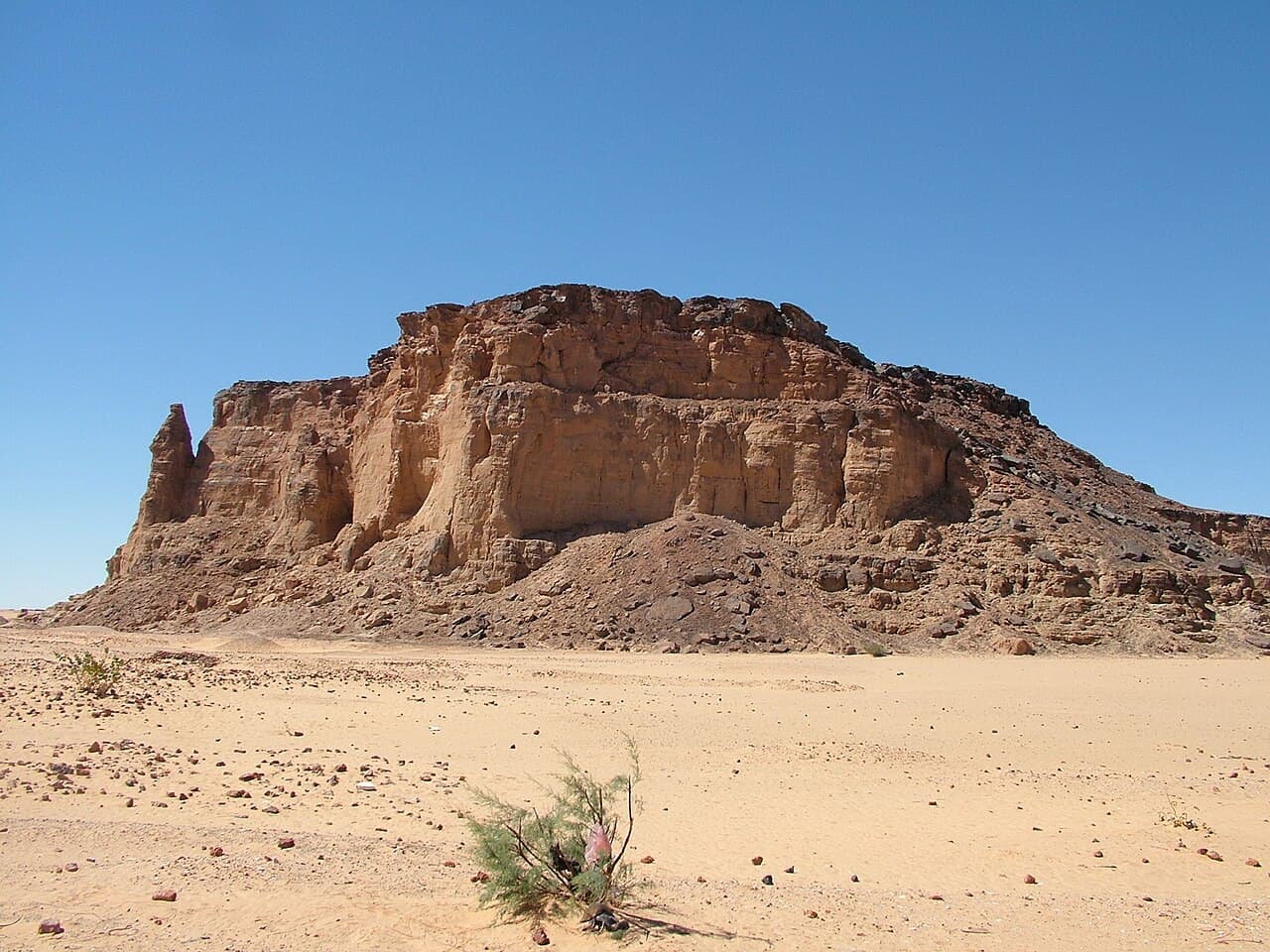
Photo : LassiHU (CC BY-SA 4.0)
Located in Sudan, this archaeological site encompasses Gebel Barkal and the surrounding Napatan region, representing a significant center of ancient Nubian civilization. The site is characterized by a distinctive sandstone mountain rising from the Nile Valley, which served as a major religious and political focal point during the Napatan period. The area contains numerous temples, pyramids, and palatial structures dating primarily to the first millennium BCE, when it functioned as the capital of the Kingdom of Kush. These monuments reflect the cultural synthesis between Egyptian and indigenous Nubian traditions, demonstrating the region's historical importance as a major power in Northeast Africa. The archaeological remains provide substantial evidence of urban planning, religious practices, and administrative systems that defined this ancient kingdom. The site's inscriptions and artifacts have contributed significantly to scholarly understanding of post-pharaonic African civilization and its role in international trade networks of antiquity.