Cultural
Région viticole du Haut-Douro
Portugal
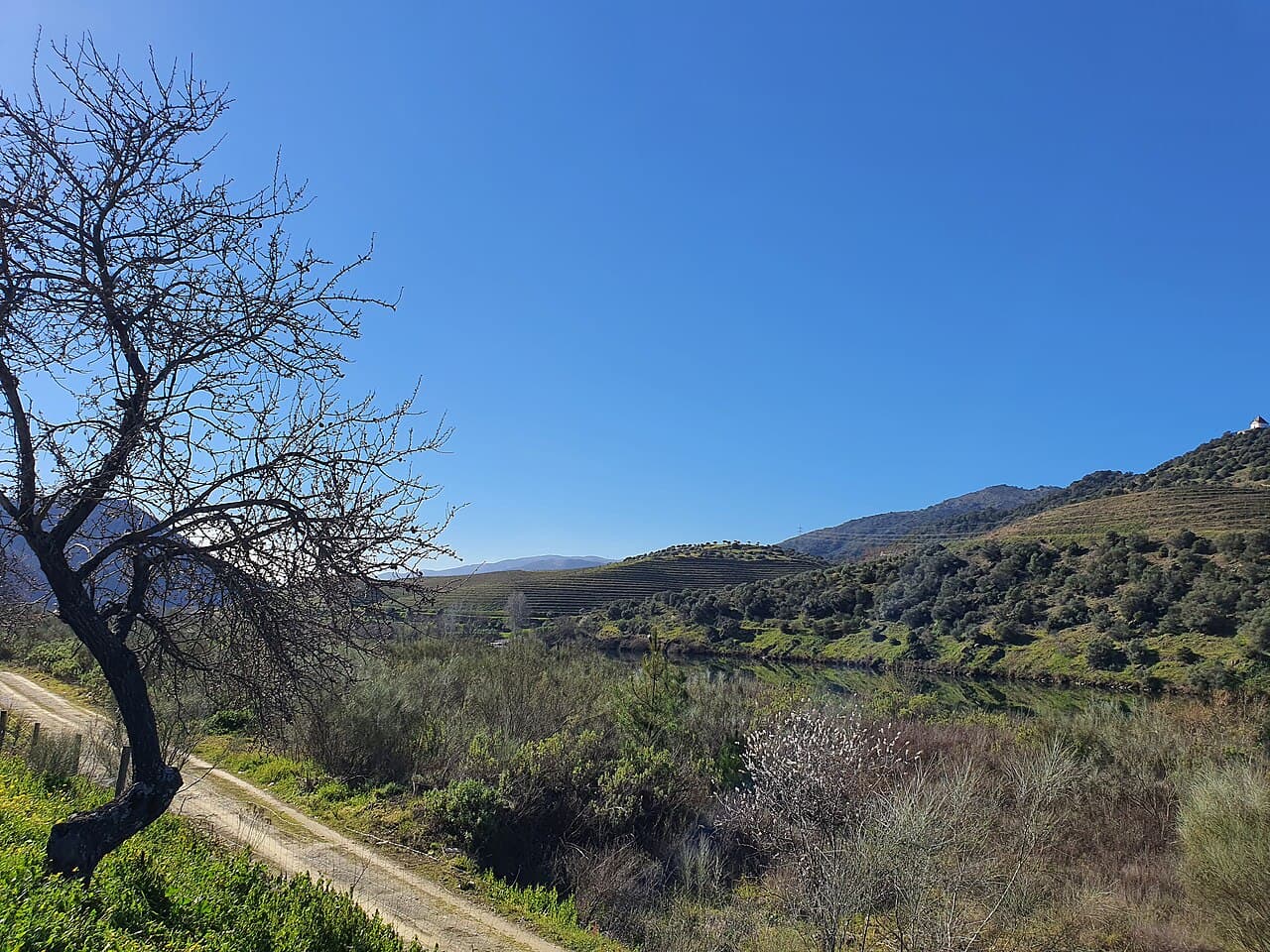
Photo : Hugo Ferreira (CC BY-SA 4.0)
This cultural heritage site encompasses the wine-producing region of the Upper Douro Valley in northeastern Portugal, an area renowned for centuries of viticulture and wine production. The landscape is characterized by steep, terraced vineyards that cascade down the hillsides of the Douro River valley, a distinctive feature resulting from centuries of agricultural adaptation to the region's challenging topography. The traditional methods of vineyard cultivation and wine production, many still in use today, reflect the deep historical relationship between the local population and this territory. The region's cultural significance lies in its outstanding example of human interaction with a difficult natural environment, transformed through persistent labor into productive agricultural land. The terraced vineyards, quintas (wine estates), and traditional stone structures represent an important testimony to the region's historical development and the evolution of Portuguese viticulture. This cultural landscape demonstrates how communities have shaped their environment while maintaining sustainable practices across generations.