Cultural
Ruines bouddhiques de Takht-i-Bahi et vestiges de Sahr-i-Bahlol
Pakistan
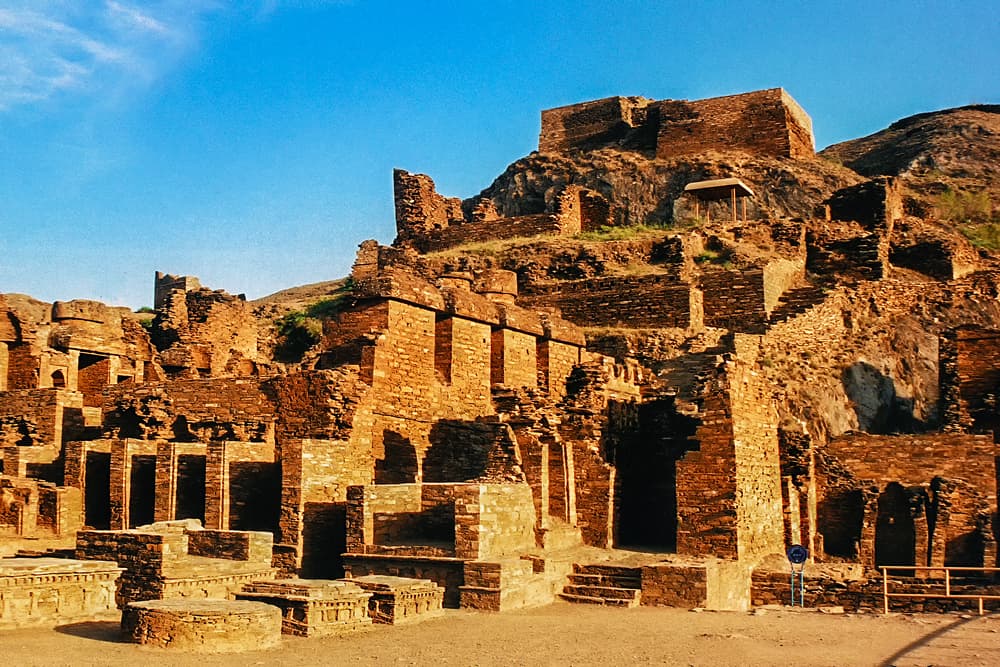
Photo : Bakhtiar Ahmed (CC BY-SA 3.0)
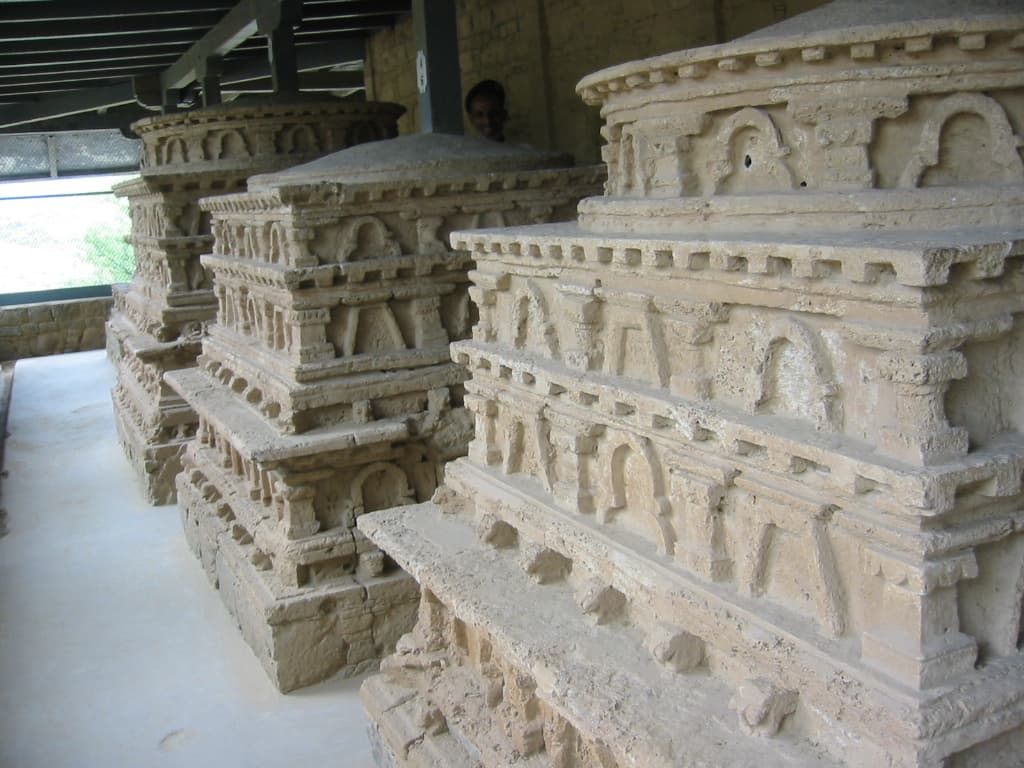
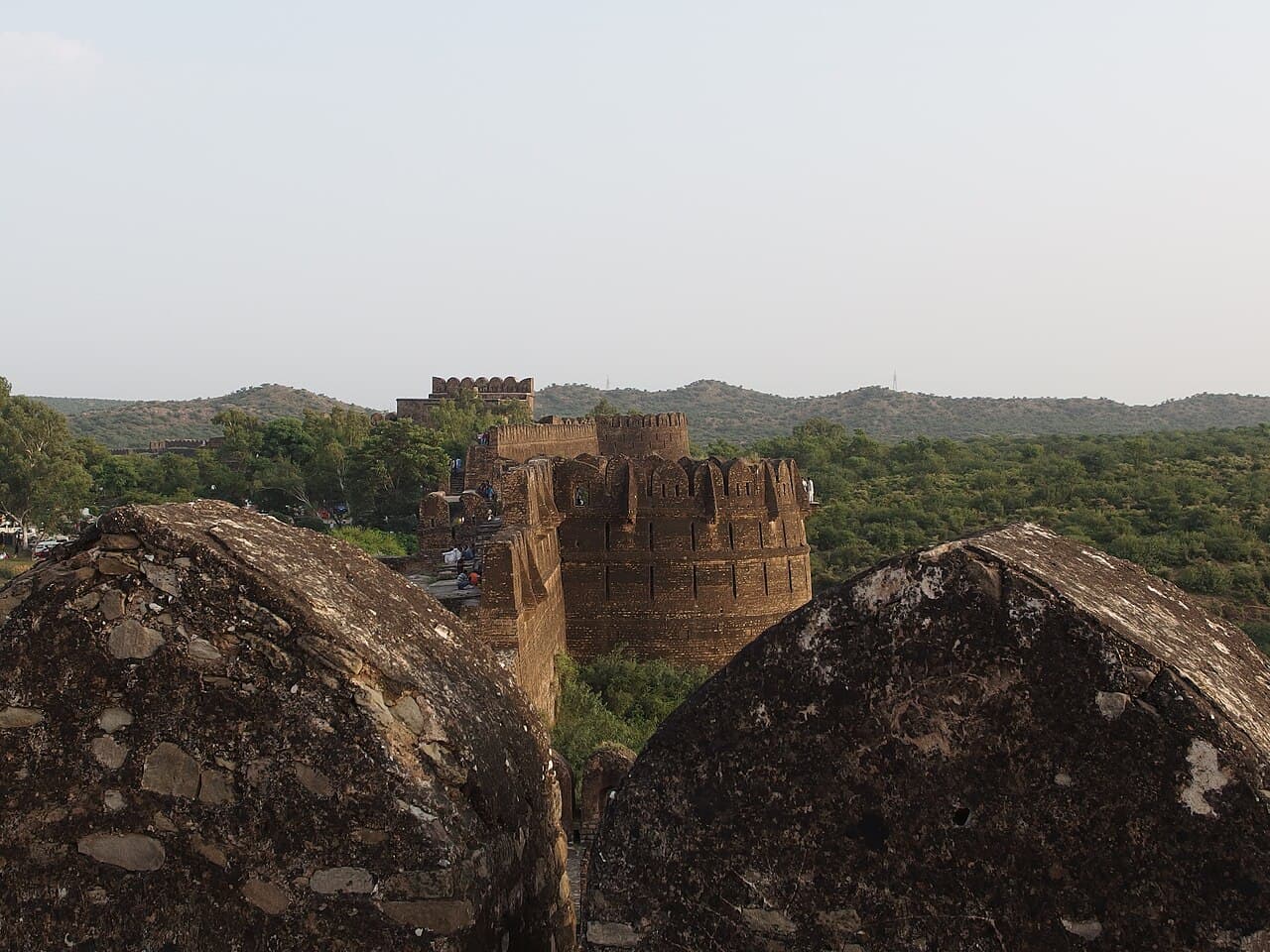
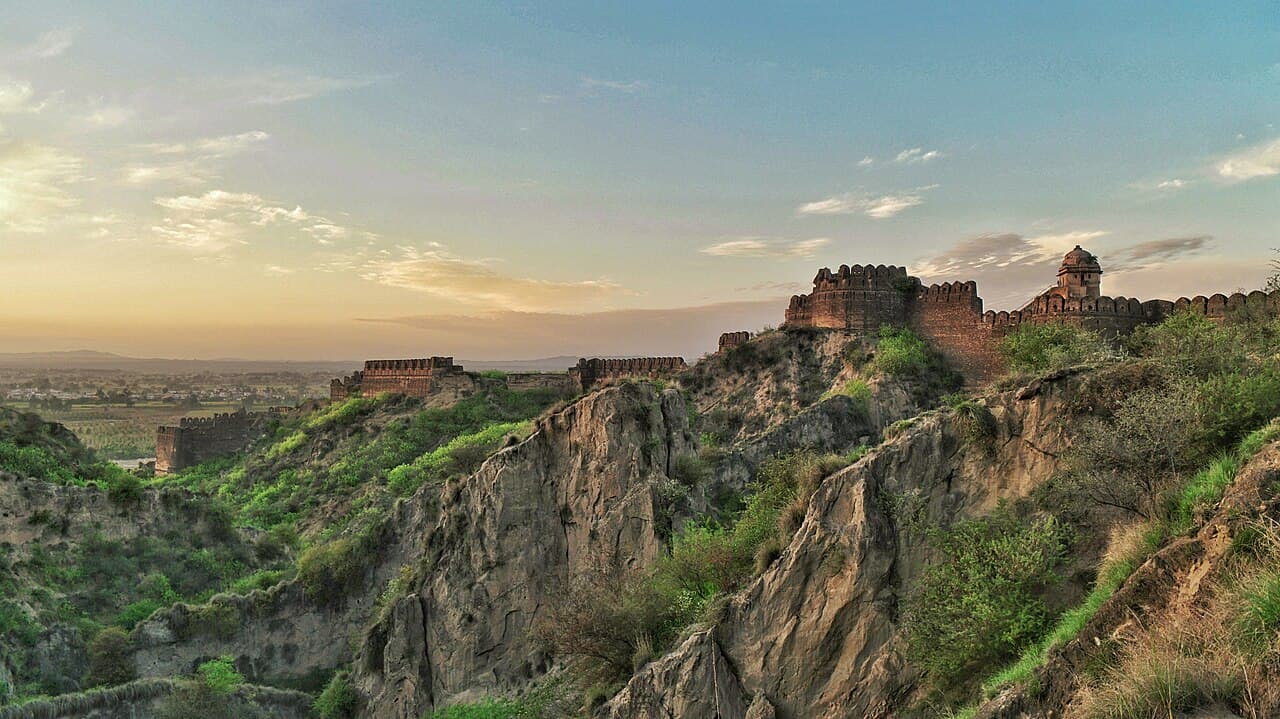
Located in the Mardan District of Khyber Pakhtunkhwa province in Pakistan, this archaeological complex comprises Buddhist ruins from the Gandhara period, a significant cultural crossroads of ancient South and Central Asia. Takht-i-Bahi, meaning "Throne of the Father," represents a major monastic establishment featuring a series of interconnected courtyards, stupas, and shrines built on a hillside, while Sahr-i-Bahlol contains the remains of an associated settlement and monastic structures spread across the surrounding area. The site demonstrates the architectural and artistic achievements of Gandharan Buddhism, blending Greco-Roman stylistic influences with Buddhist religious traditions. The stratified remains provide important evidence of Buddhist monastic life and urban organization during the early centuries of the Common Era. The ruins are characterized by stone foundations, remnants of large stupas, monk cells, and decorative elements that reflect the complex's role as a significant religious and educational center in ancient times.