Cultural
Ancien site agricole de Kuk
Papouasie-Nouvelle-Guinée
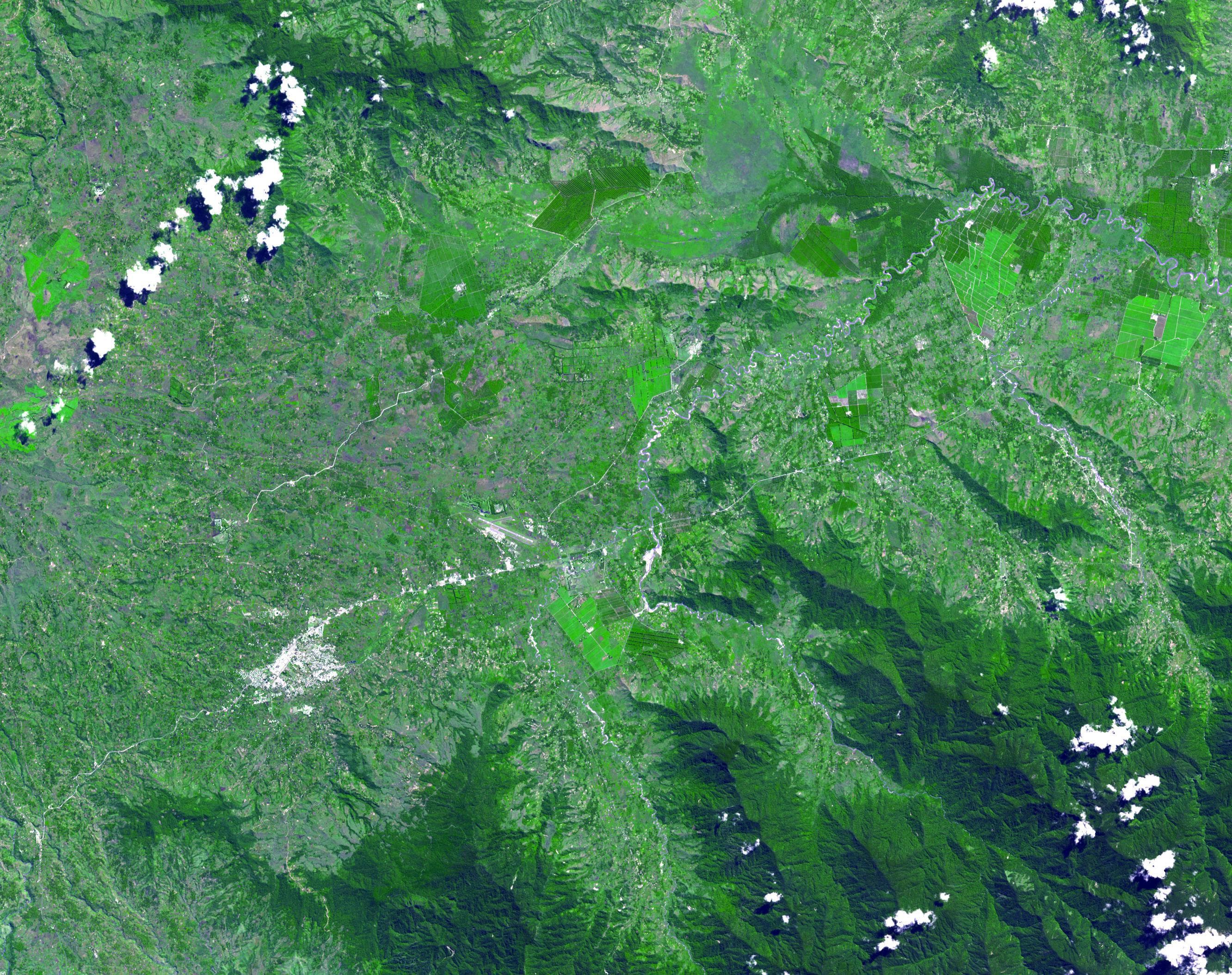
Located in the Wahgi Valley of Papua New Guinea, this cultural site represents one of the world's earliest examples of independent agricultural development. Archaeological evidence demonstrates that the site was used for systematic cultivation and water management over an extended period, marking a significant transition from hunter-gatherer to agricultural societies in the Pacific region. The landscape preserves remnants of ancient drainage systems, terraces, and field structures that reflect sophisticated horticultural practices developed in this highland environment. The site's inscription recognizes its exceptional value in documenting the origins of agriculture in the Indo-Pacific region and its contribution to understanding human settlement patterns in Melanesia. The physical remains visible across the valley testify to the long-term environmental modification and land use practices of the region's early inhabitants. This archaeological evidence provides crucial insights into independent centers of agricultural innovation and the development of complex societies in the Pacific.