Cultural
Centre historique de Lima
Pérou
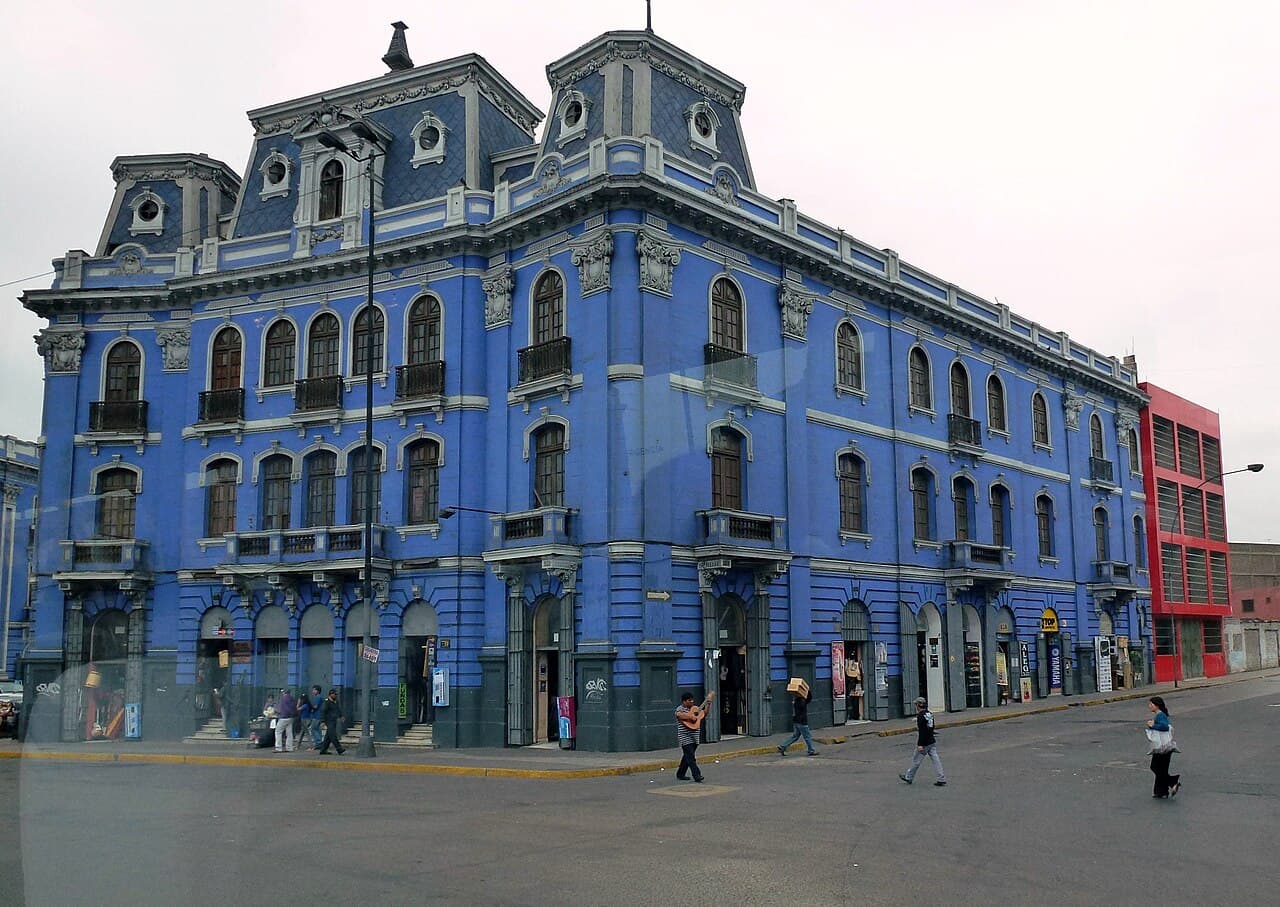
Photo : PIERRE ANDRE LECLERCQ (CC BY-SA 4.0)
The historic centre of Lima represents one of the most significant urban ensembles of Spanish colonial architecture in South America. Located in the heart of Peru's capital city, this district encompasses the Plaza Mayor and surrounding districts that were established following the city's foundation in the sixteenth century. The site is characterized by its grid-like street plan typical of Spanish colonial urban design, complemented by numerous religious buildings, civil structures, and residential palaces featuring distinctive baroque and neoclassical architectural elements. The built heritage reflects the city's historical role as the administrative and religious centre of the Spanish Viceroyalty of Peru, with particular prominence given to the Cathedral, religious convents, and aristocratic mansions. The fabric of the historic centre demonstrates the layering of architectural styles and urban development across multiple centuries, preserving evidence of Lima's transformation from colonial outpost to major urban centre. This concentration of historical structures within a defined urban area constitutes a valuable record of colonial and post-colonial Peruvian history.