Cultural
Kaunas, ville moderniste : une architecture de l’optimisme, 1919-1939
Lituanie
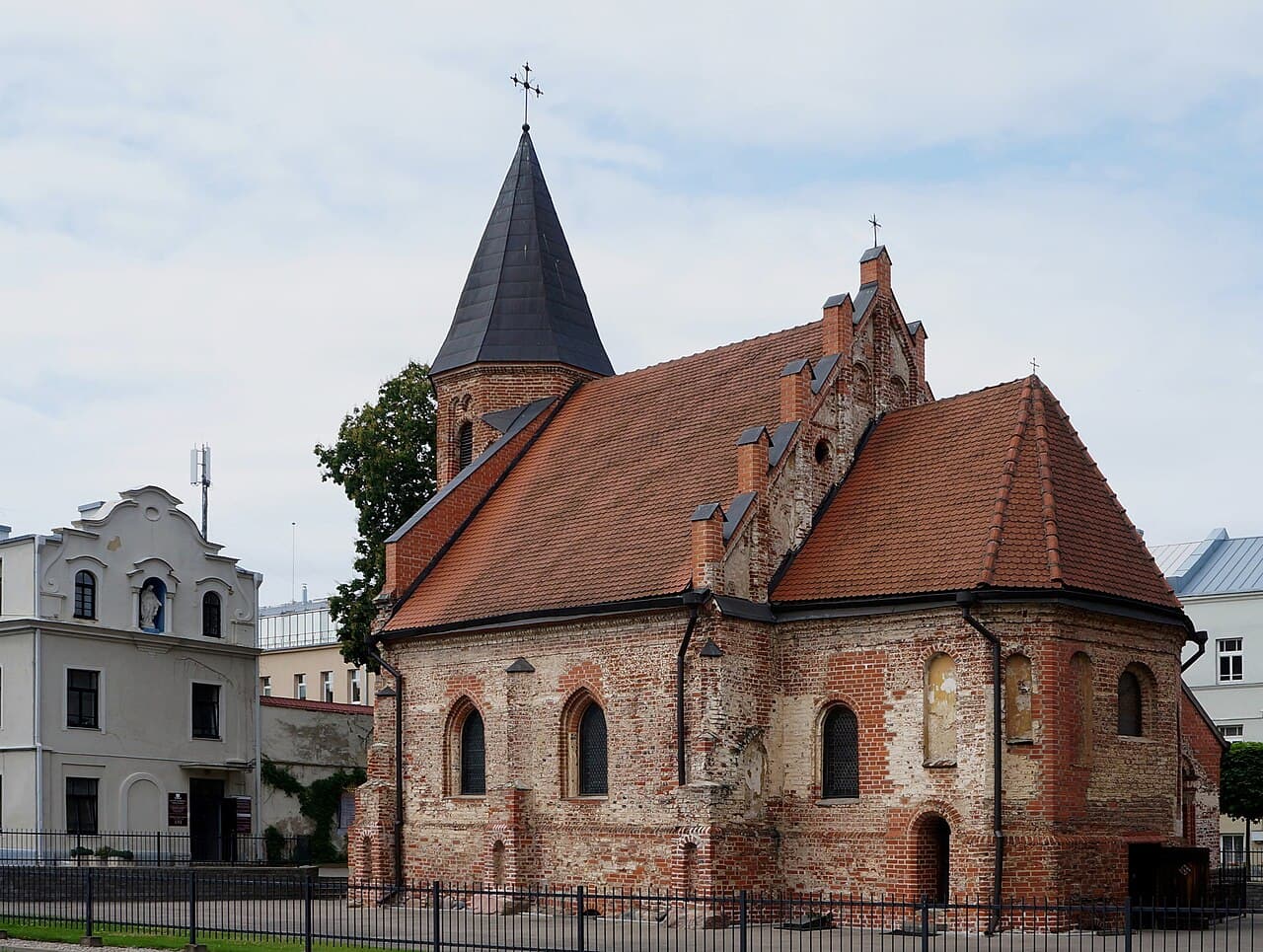
Photo : Pierre André Leclercq (CC BY-SA 4.0)
Located in Lithuania, this urban ensemble represents a distinctive chapter in European modernist architecture. Developed between 1919 and 1939 following Lithuania's independence, Kaunas was transformed into a new capital city with ambitious urban planning and architectural aspirations. The city's architecture reflects the optimism of the interwar period, characterized by functionalist and Art Deco styles that replaced earlier building stock. The modernist structures, including residential, administrative, and cultural buildings, demonstrate the architectural trends and design principles prevalent in early twentieth-century Europe. This period of construction shaped the city's urban form and character, making Kaunas an important example of modernist city planning and architecture from the interwar era. The site documents a significant moment in Lithuanian history and European architectural development during the period following World War I.