Cultural
La ville historique et site archéologique de Gedi
Kenya

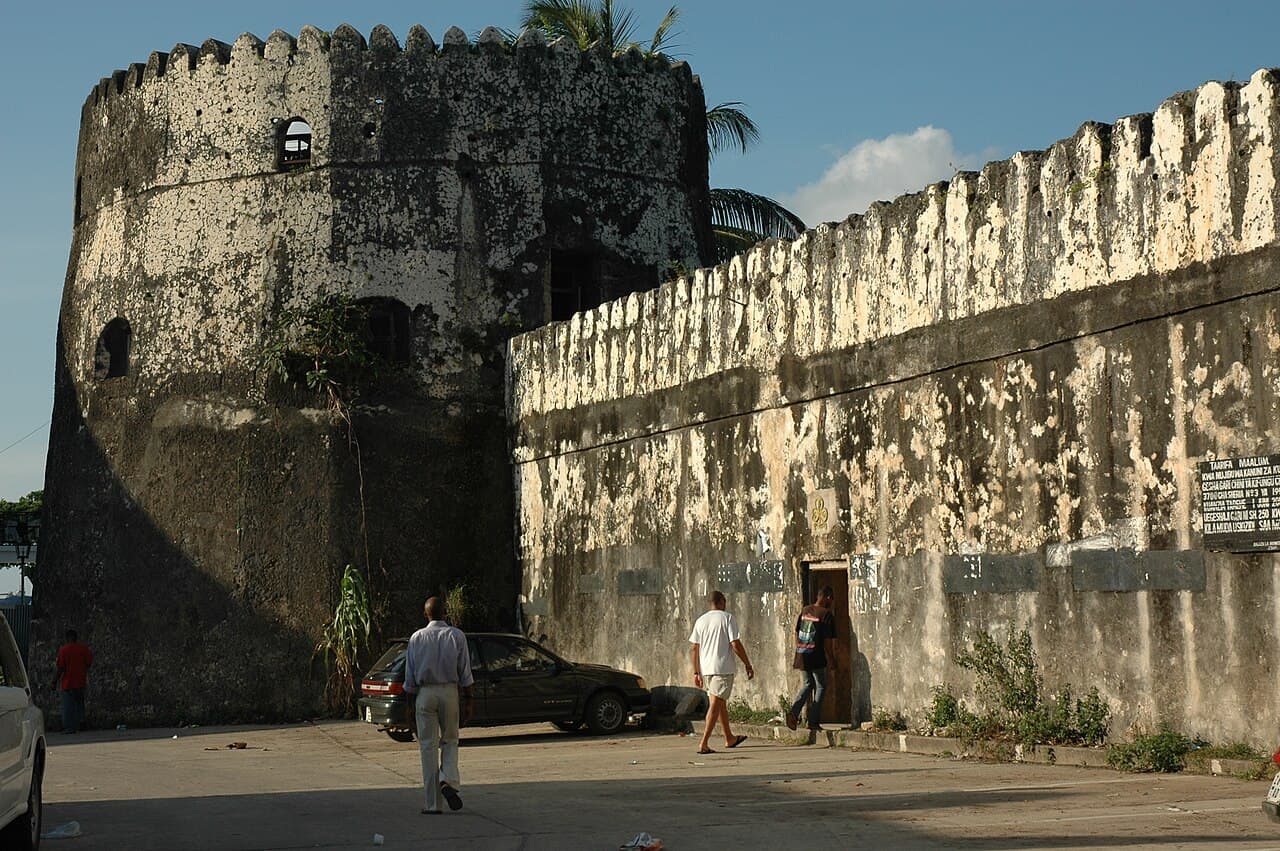
Photo : Marko Kudjerski from Toronto, Canada (CC BY 2.0)
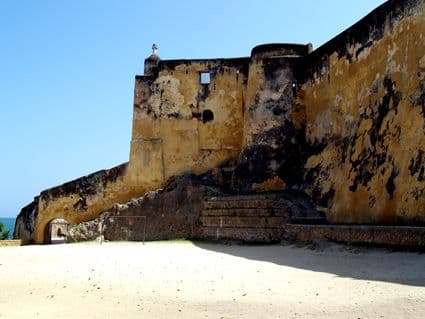
Located on the coast of Kenya, this archaeological site encompasses the ruins of a historic Swahili town that flourished during the medieval and early modern periods. The site preserves substantial remains of stone structures, including a mosque, palace, and residential quarters, which provide evidence of the sophisticated urban planning and architectural traditions characteristic of historical Swahili settlements. The settlement was built on a coral limestone foundation and organized around central plazas, reflecting the commercial and cultural significance of the location along East African trade routes. Excavations at the site have revealed artifacts demonstrating extensive connections with the Islamic world, India, and the Far East, indicating the cosmopolitan nature of the settlement's population. The town was eventually abandoned, and the jungle vegetation subsequently reclaimed much of the area, leaving the stone foundations and structures visible for archaeological study. The remains contribute to understanding the history of Swahili civilization and Indian Ocean maritime trade networks during the medieval period.