Cultural
Qusair Amra
Jordanie
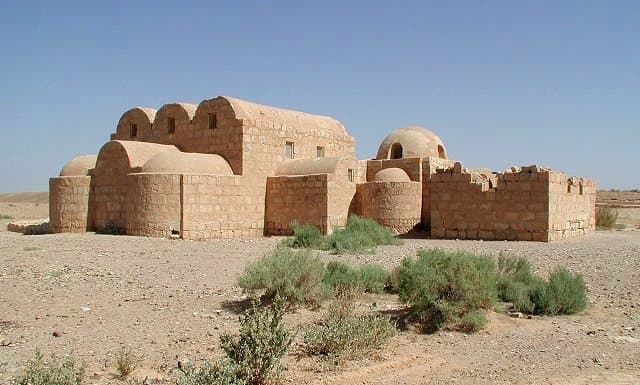
Photo : Auteur inconnu (CC BY-SA 3.0)
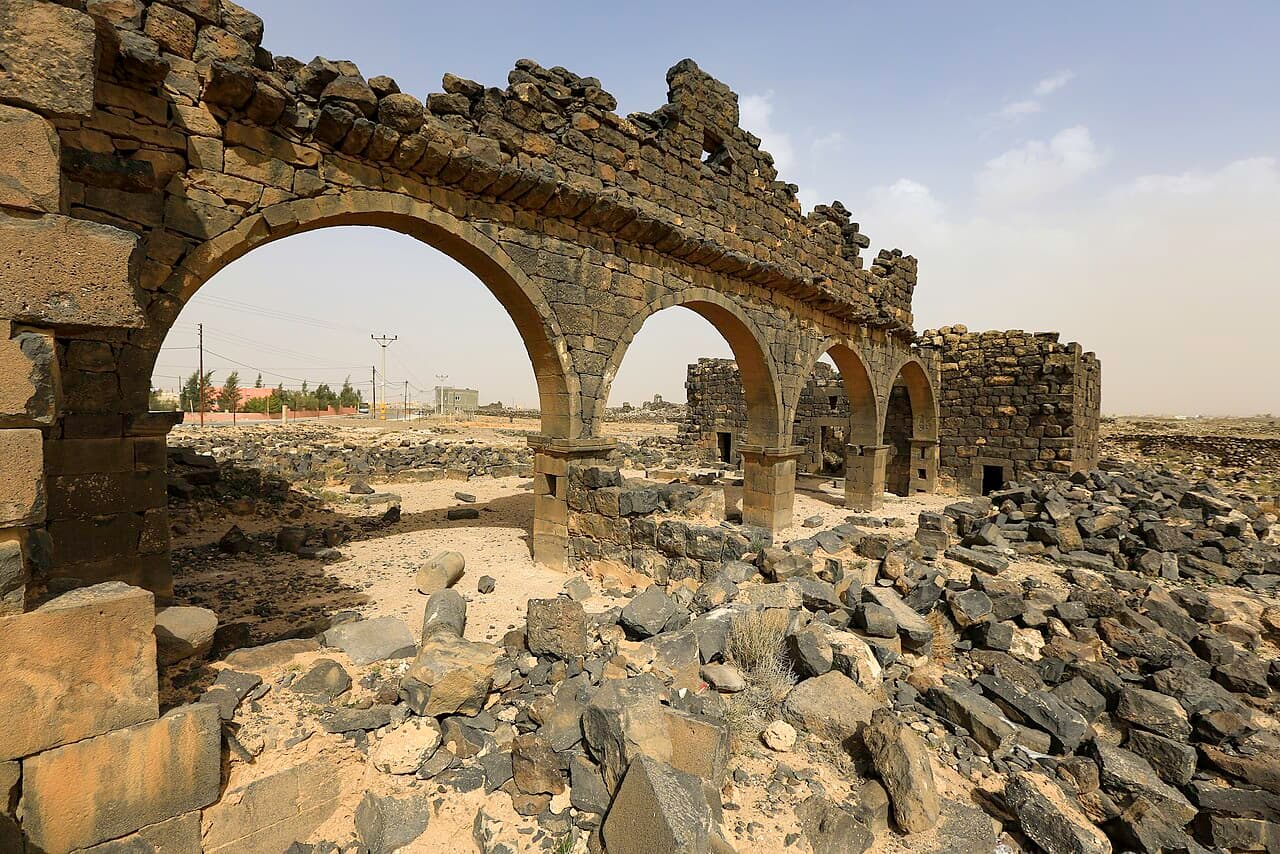
Located in the eastern desert of Jordan, this Early Islamic hunting lodge represents a significant example of Umayyad-period architecture and artistic expression from the 8th century. The structure showcases the transition between Byzantine and Islamic cultural traditions, serving as evidence of the cosmopolitan nature of the Umayyad court. The site is characterized by its distinctive bathhouse featuring preserved frescoes that depict hunting scenes, musicians, and daily life activities, demonstrating sophisticated artistic techniques unusual for the remote desert setting. The architectural layout follows Roman bathhouse conventions adapted for Islamic use, comprising a sequence of heated chambers and a small palace structure. The wall paintings and mosaics reveal influences from Greco-Roman, Persian, and Byzantine artistic traditions, reflecting the cultural exchange of the period. The remote location within the desert landscape, combined with the exceptional preservation of its interior decorative elements, distinguishes this monument as an important testimony to Umayyad cultural and political achievement.