Cultural
Pasargades
Iran
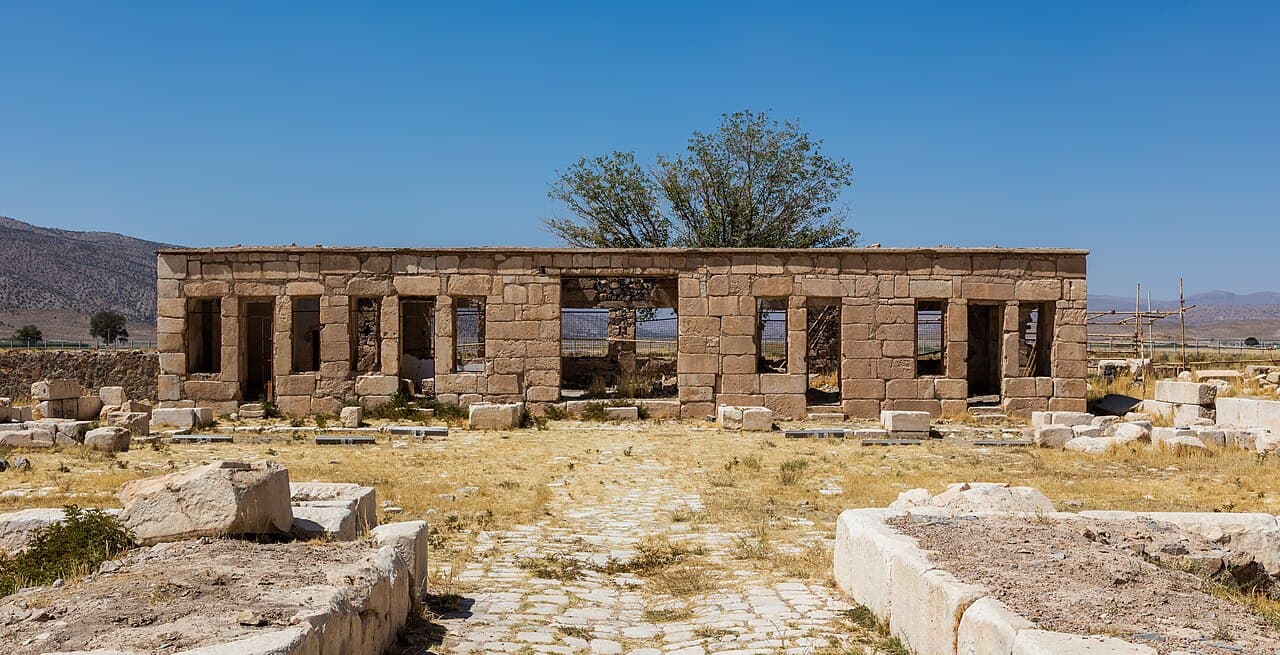
Photo : Diego Delso (CC BY-SA 4.0)
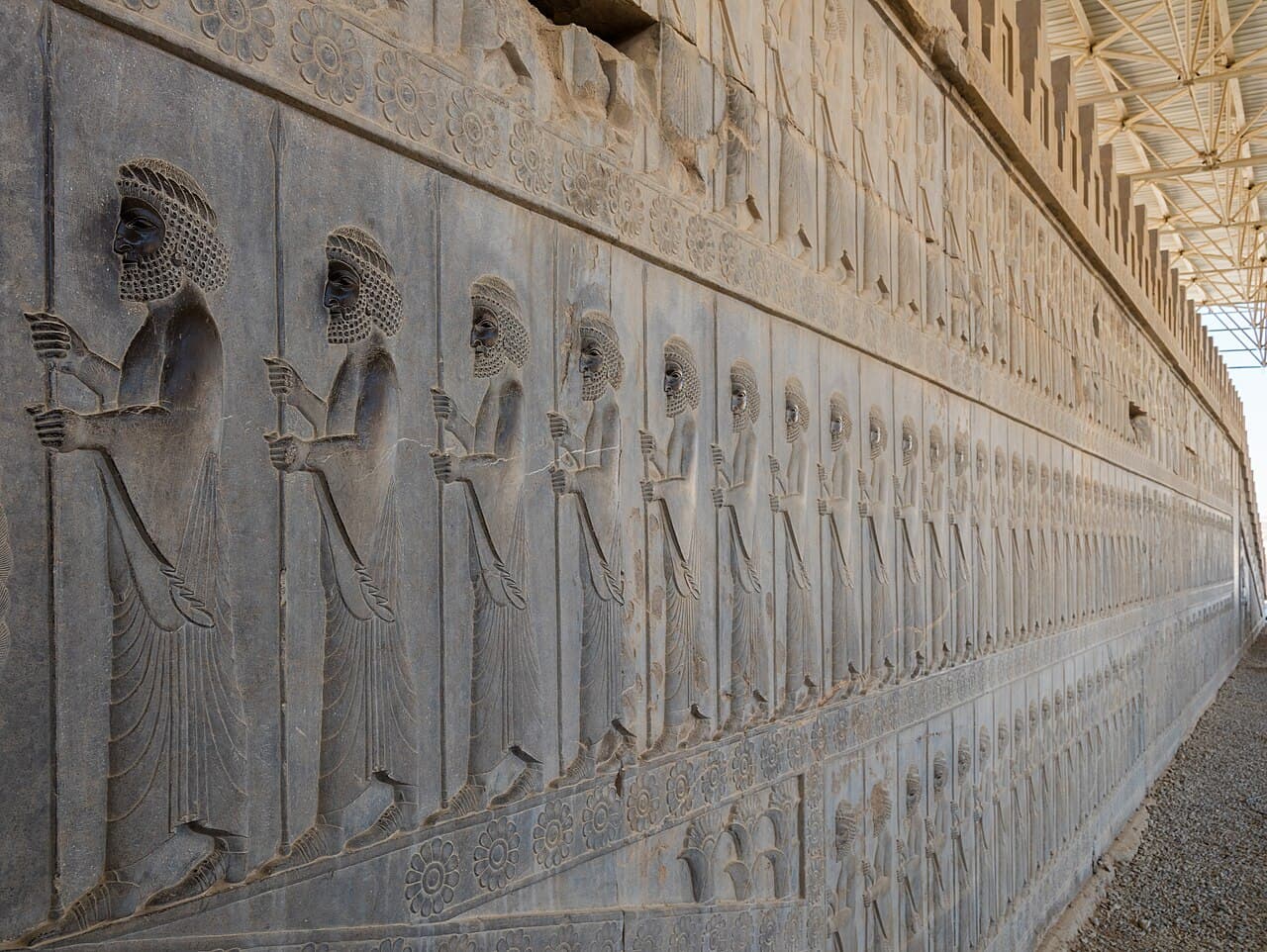
This archaeological site in southwestern Iran preserves the remains of Pasargadae, the ceremonial capital of the Achaemenid Empire established by Cyrus the Great in the 6th century BCE. Located in the mountainous region of Fars Province, the site encompasses palaces, gardens, fortifications, and monumental structures that exemplify early Persian imperial architecture and urban planning. The ruins reflect the sophisticated design principles of the period, including the distinctive use of stone platforms, columned halls, and water channels integrated into the landscape. The site is particularly significant for its historical importance as a seat of power during the height of the ancient Persian Empire and its influence on subsequent architectural traditions. Pasargadae represents a crucial phase in the development of monumental architecture in the Near East, demonstrating the artistic and technical achievements of the Achaemenid period. The scattered remains and archaeological finds from the site provide essential evidence of Persian cultural, political, and administrative practices during this formative historical period.