Cultural
Behistun
Iran
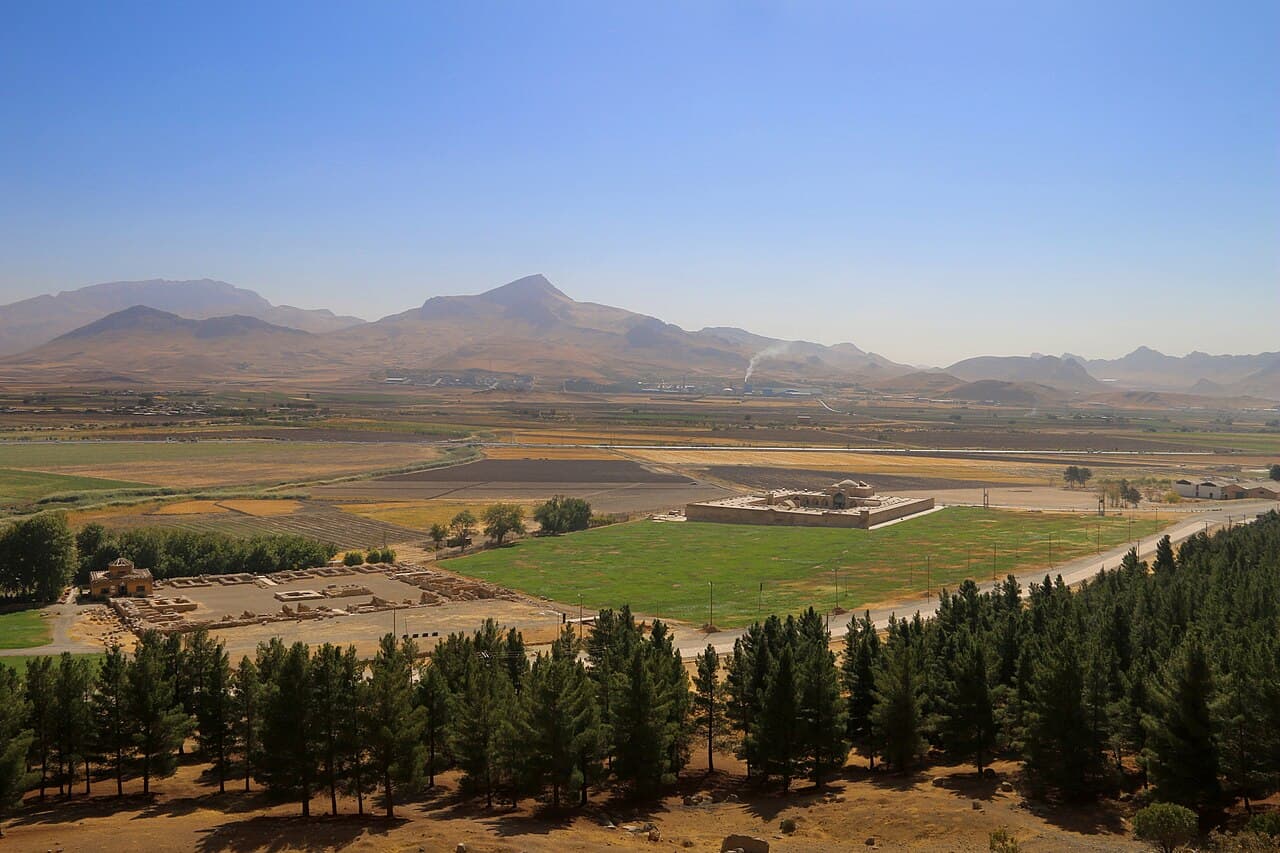
Photo : Mahdimanavimvi (CC BY-SA 4.0)
Located in western Iran near the city of Kermanshah, this monumental rock relief stands as one of the world's most significant historical documents. Carved into a limestone cliff face during the reign of the Achaemenid king Darius I, the site features a large relief sculpture accompanied by inscriptions in three cuneiform scripts: Old Persian, Elamite, and Babylonian. The inscription chronicles Darius's military campaigns and political ideology, providing crucial evidence for understanding ancient Persian history and the decipherment of cuneiform writing. The site's geological setting within a dramatic mountainous landscape has contributed to its preservation, though the inscriptions remain vulnerable to natural weathering and environmental factors. Its archaeological and historical importance lies not only in the detailed narrative carved into the rock but also in its role as a linguistic key that enabled scholars to unlock the secrets of ancient Mesopotamian languages. The combination of monumental artistic achievement and invaluable textual information justifies its recognition as a site of outstanding universal value.