Cultural
Citadelle d’Erbil
Iraq
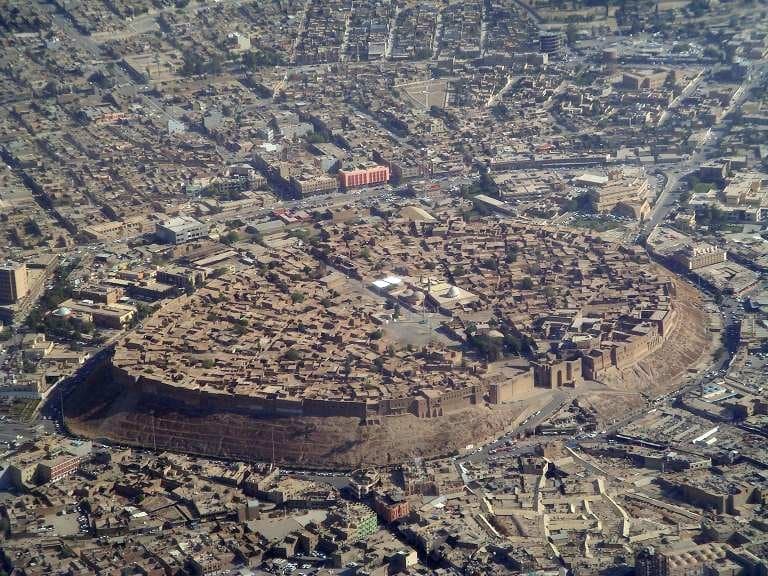
Photo : Jim Gordon (CC BY 2.0)
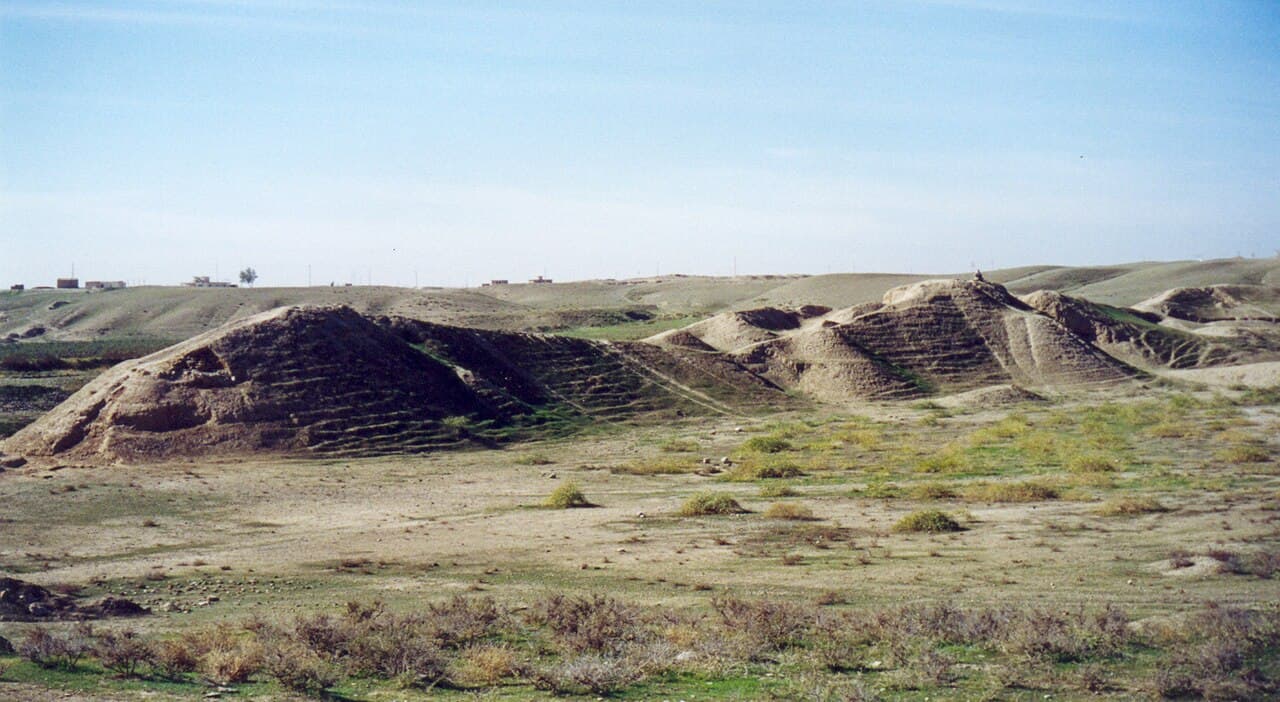
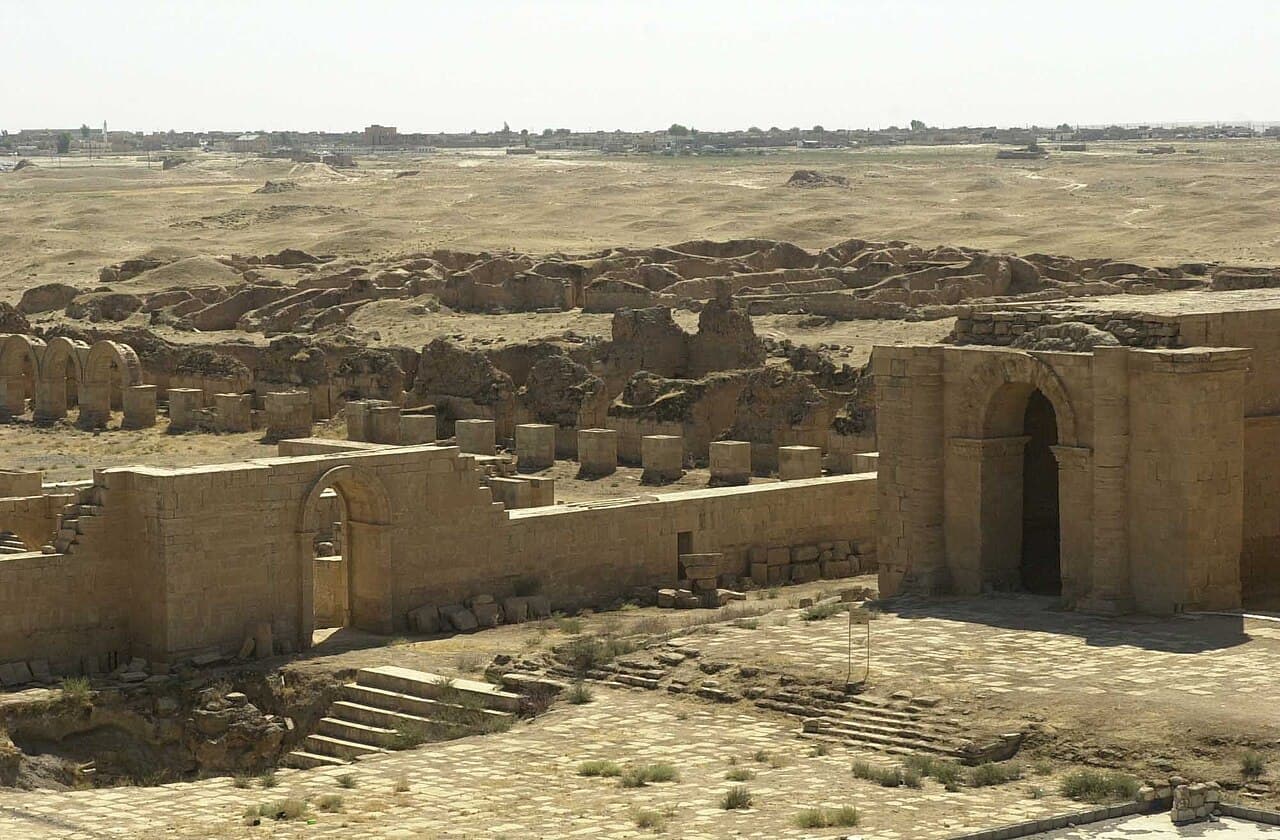
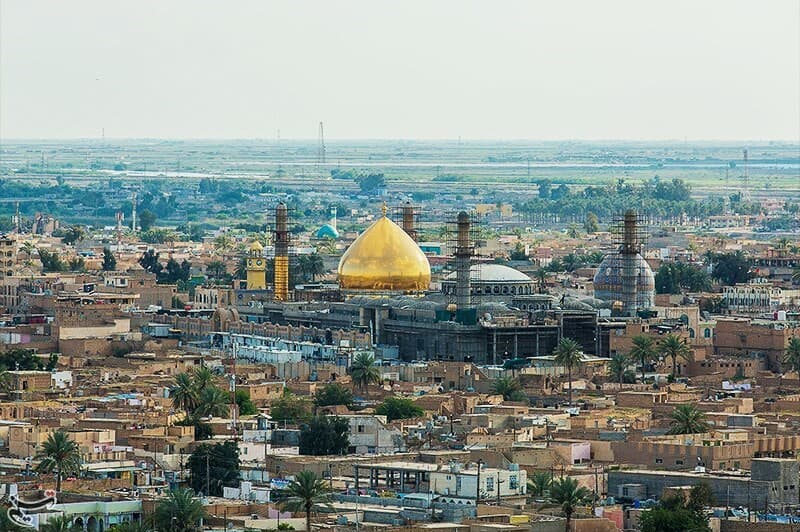
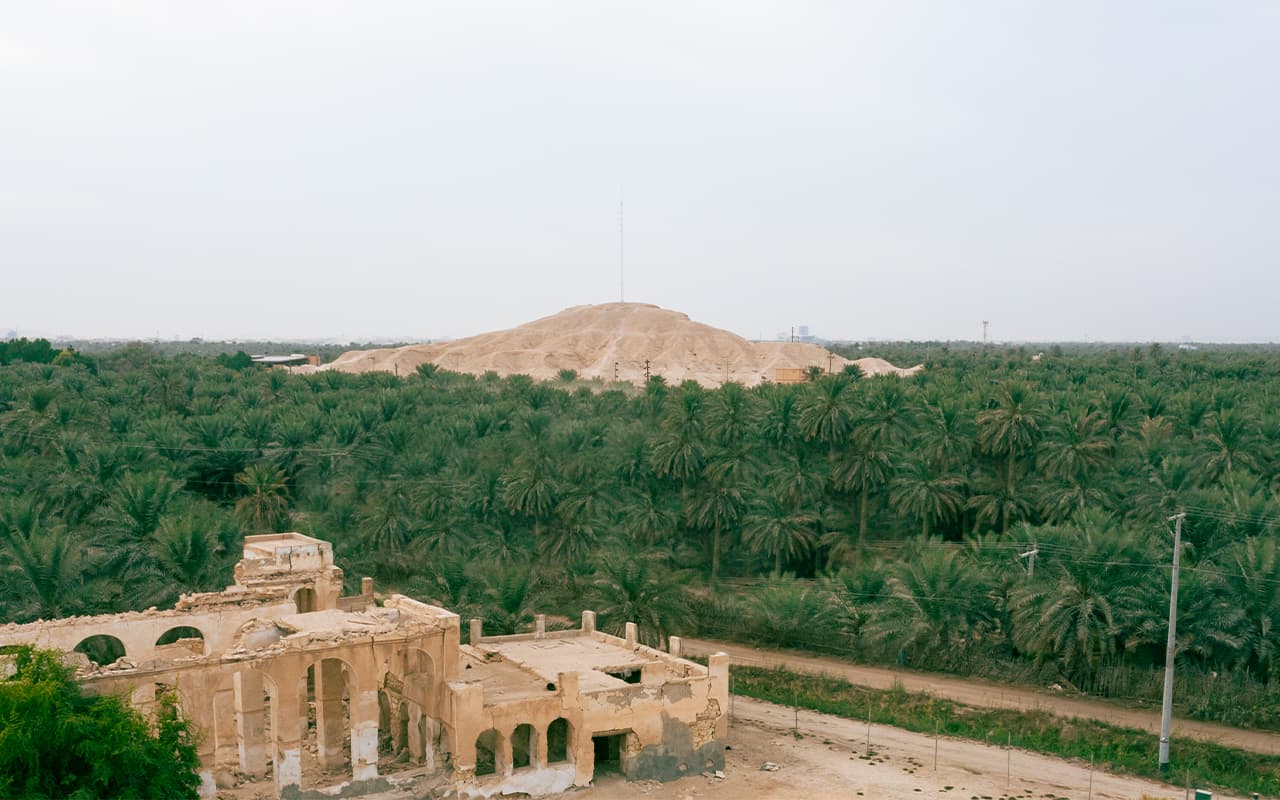
Located in Erbil, northern Iraq, this ancient citadel represents one of the oldest continuously inhabited settlements in the world, with archaeological evidence of human occupation spanning millennia. The site consists of a tell, or artificial mound, that rises approximately 40 meters above the surrounding plain and is surrounded by defensive walls that have been rebuilt and reinforced throughout successive periods of habitation. Its historical and cultural significance is rooted in layers of occupation from the Chalcolithic period through the Islamic era, reflecting the region's strategic importance as a crossroads of trade and cultural exchange. The citadel's distinctive topography and fortified architecture provide tangible evidence of urban development patterns and defensive systems across multiple civilizations. The site remains archaeologically significant as a repository of information about settlement patterns, governance structures, and daily life in ancient Mesopotamia and the broader Middle East. The Old City that surrounds the citadel base preserves traditional architectural features and urban planning characteristics that reflect centuries of habitation and cultural continuity.