Cultural
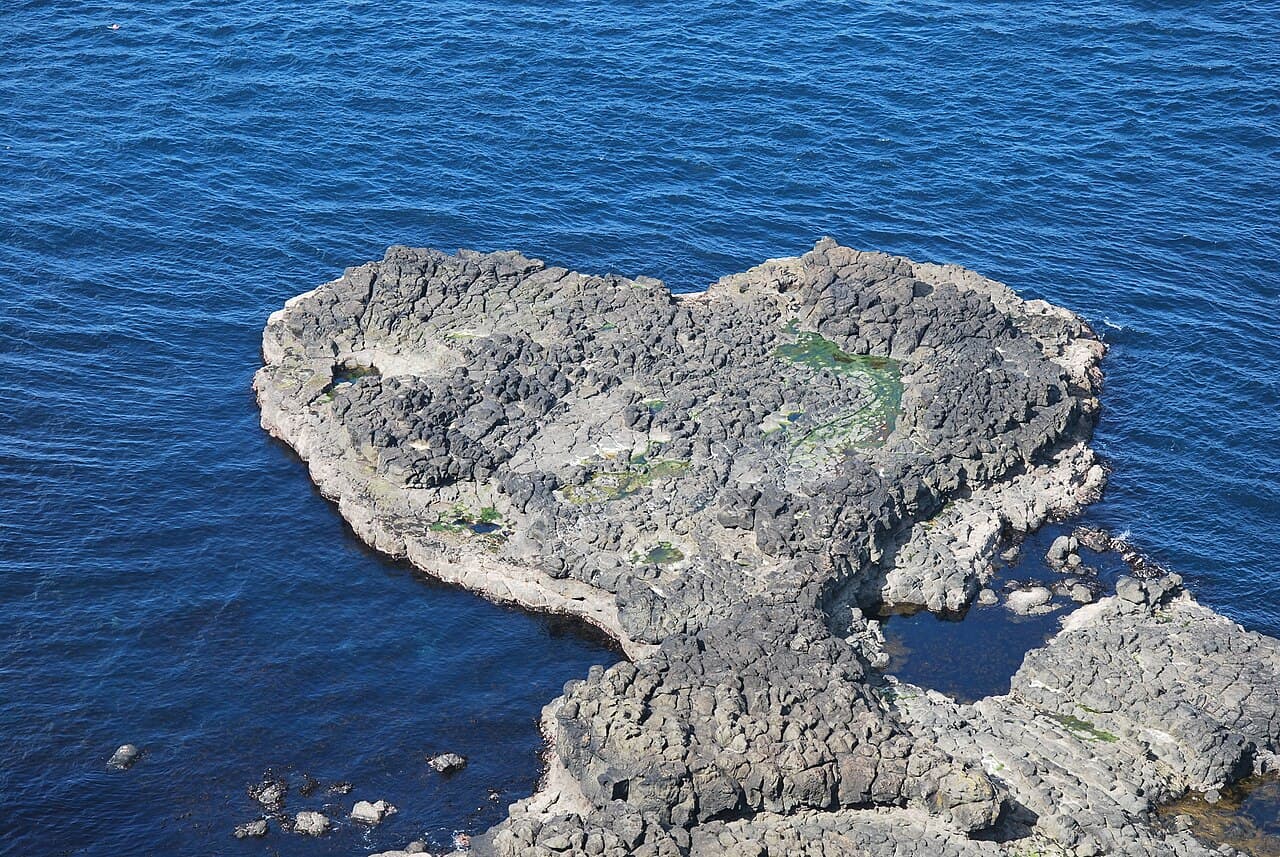
Île de St Kilda
Royaume-Uni

Photo : jjron (GFDL 1.2)
Located in the United Kingdom, off the west coast of Scotland, this remote archipelago represents a unique cultural landscape shaped by centuries of human habitation in an isolated maritime environment. The islands are distinguished by their exceptional natural features, including dramatic sea cliffs and rugged terrain, alongside substantial remains of traditional settlement patterns and vernacular architecture that reflect the distinctive way of life that evolved there. The site documents the cultural heritage of a community that adapted to extreme environmental conditions, developing specialized practices related to subsistence, particularly seabird harvesting and sheep farming, which left distinctive marks on both the built environment and the landscape. The settlement structures, field systems, and archaeological remains provide evidence of sustained occupation spanning from prehistoric times through to the 20th century, when the islands were finally evacuated. The visual character of the site is defined by stone-built structures, including traditional dwellings and communal buildings, set against the dramatic natural topography of steep cliffs and moorland. This combination of archaeological evidence, architectural remains, and cultural landscape features makes the site significant for understanding remote island settlement and the human adaptation to marginal environments.