Cultural
Fortifications of Vauban
Besançon, France
Inscribed 2008
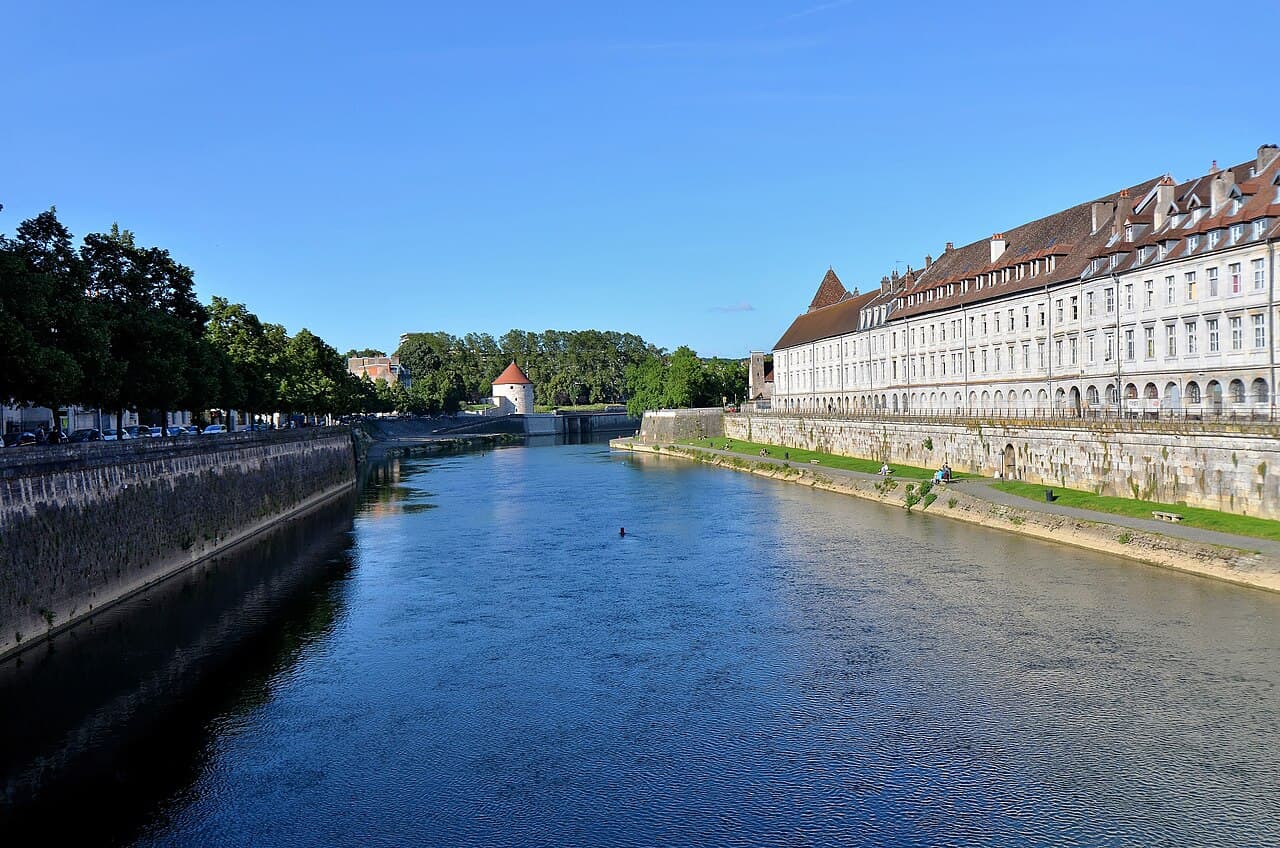
Photo : Patrick from Compiègne, France (CC BY-SA 2.0)
Built under the direction of military engineer Sébastien Le Prestre de Vauban in the 17th and 18th centuries, this fortified complex in Besançon represents a significant example of military architecture of the period. The site consists of a series of defensive structures positioned strategically around the city in the Doubs region, reflecting Vauban's distinctive approach to fortification design. These works exemplify the transition from medieval to modern military engineering and demonstrate the application of geometric principles to defensive systems. The fortifications were inscribed on the UNESCO World Heritage List in 2008 as part of a broader recognition of Vauban's network of fortified sites across France. The structures remain visually distinctive through their characteristic bastions, ramparts, and geometric layouts, which have been largely preserved. This cultural site illustrates the evolution of military strategy and engineering practice during a transformative period in European history.
Location
Besançon, France
Inscription
2008