Natural
Haute Côte / Archipel de Kvarken
Finlande
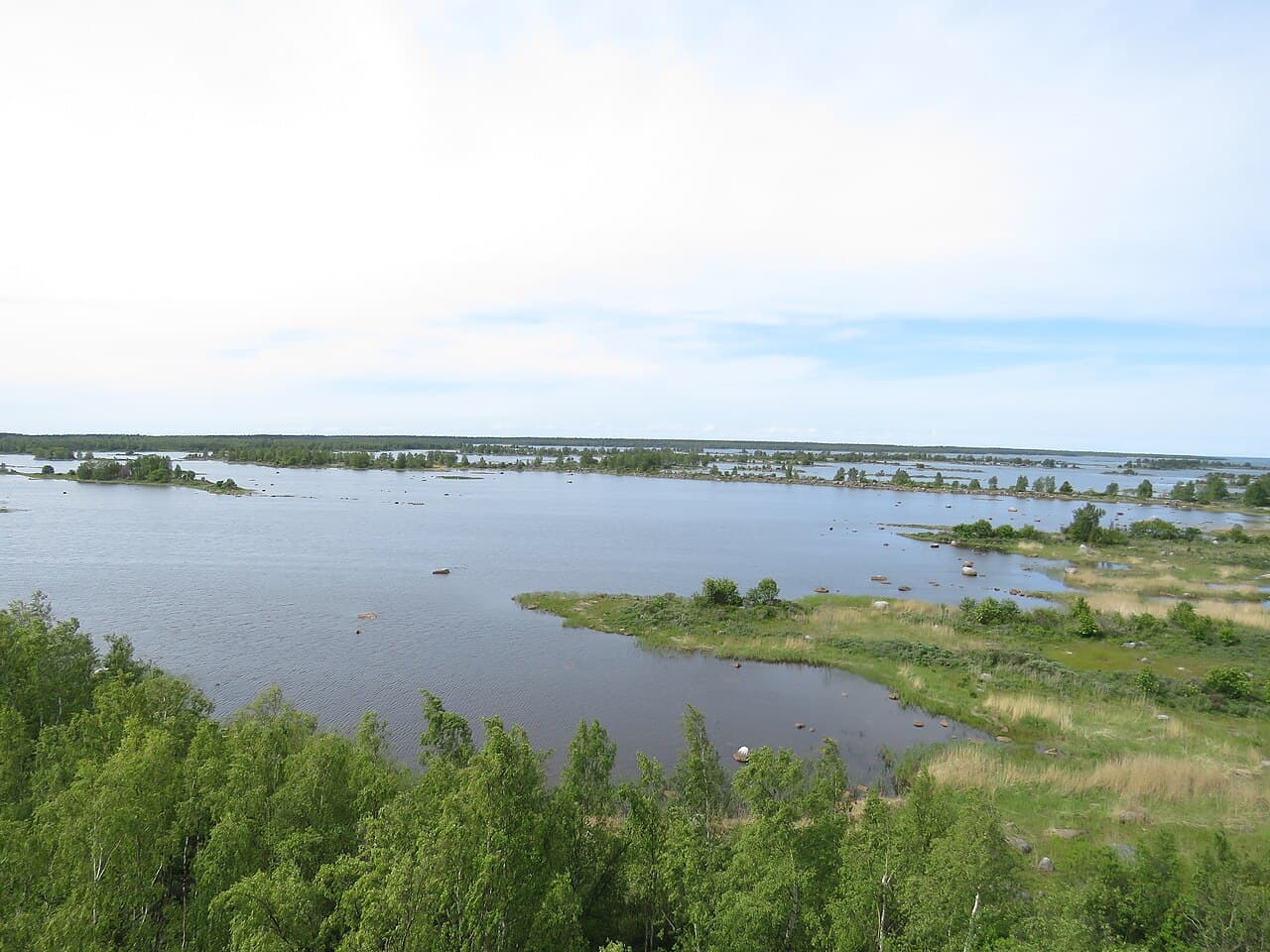
Photo : Xepheid (CC BY-SA 4.0)
The Kvarken Archipelago, situated in the Gulf of Bothnia between Finland and Sweden, represents an exceptional example of postglacial isostatic uplift and ongoing geological processes. This UNESCO World Heritage site comprises thousands of islands and skerries formed by the retreat of the continental ice sheet and the subsequent rise of the land following deglaciation. The archipelago's distinctive landscape features a unique pattern of parallel ridges and elongated islands that reflect the direction of ice movement during the last glaciation. The site demonstrates active geomorphological processes, with the land continuing to rise at a measurable rate, creating new islands and altering the archipelago's configuration. Its ecological significance lies in the diversity of habitats ranging from bare bedrock and pioneer vegetation to mature forests, supporting numerous plant and animal species adapted to these dynamic conditions. The Kvarken Archipelago provides important scientific evidence for understanding glacial geology and postglacial landscape development in northern regions.