Cultural
Colonies de l’Église morave
Allemagne
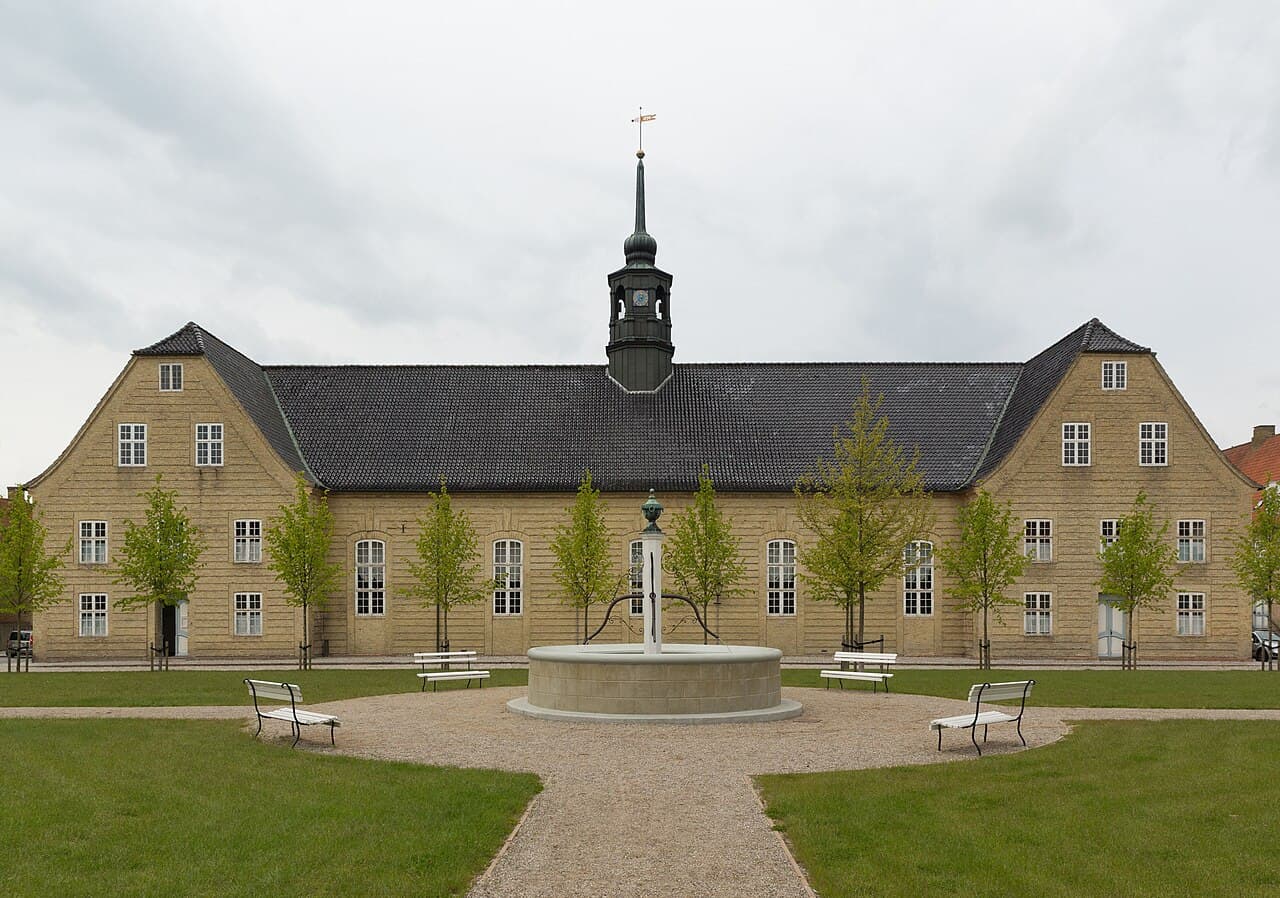
These heritage sites represent the material expression of the Moravian Church's missionary and communal ideals during the 18th and 19th centuries in Germany. The Moravian colonies were established as closed communities designed to foster religious devotion and economic self-sufficiency through collective living and shared labor. Located in various regions across German territories, these settlements embody distinctive urban planning principles that reflect the church's theological vision and social organization. The architectural character of these colonies is marked by orderly layouts, functional buildings, and structures that served both residential and communal purposes, including chapels, workshops, and communal houses. The sites preserve the physical infrastructure and spatial arrangement that enabled the Moravian communities to practice their faith while maintaining economic productivity. These colonies constitute significant examples of utopian community planning and demonstrate the practical implementation of religious communalism in the modern period.