Cultural
Tulou du Fujian
Chine
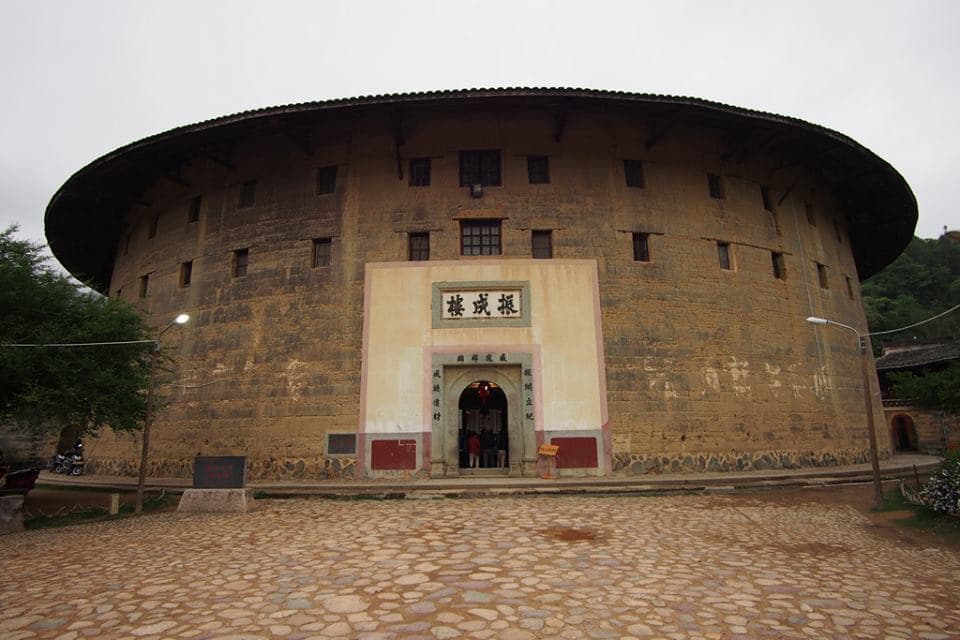
Photo : Loh Swee Meng (CC BY-SA 3.0)
Located in the mountainous regions of Fujian Province in southeastern China, these remarkable structures represent a distinctive form of collective residential architecture developed by the Hakka people and other ethnic groups. The tulou are large, fortified multi-story communal buildings with thick rammed-earth walls, circular or square in plan, that functioned as defensive dwellings for extended family groups. These structures exemplify a unique architectural response to the region's historical conditions, combining practical considerations of defense, agricultural storage, and communal living within a single enclosed complex. The buildings typically feature inward-facing designs with central courtyards, elaborate wooden interior frameworks, and functional arrangements that demonstrate sophisticated construction techniques using local materials. The tulou represent an exceptional example of folk architecture and social organization, reflecting centuries of cultural and architectural development in rural southern China. The site merits recognition as a significant testimony to the ingenuity and cultural heritage of the communities that inhabited and built these enduring structures.