Cultural
Tombes impériales des Xixia
Chine
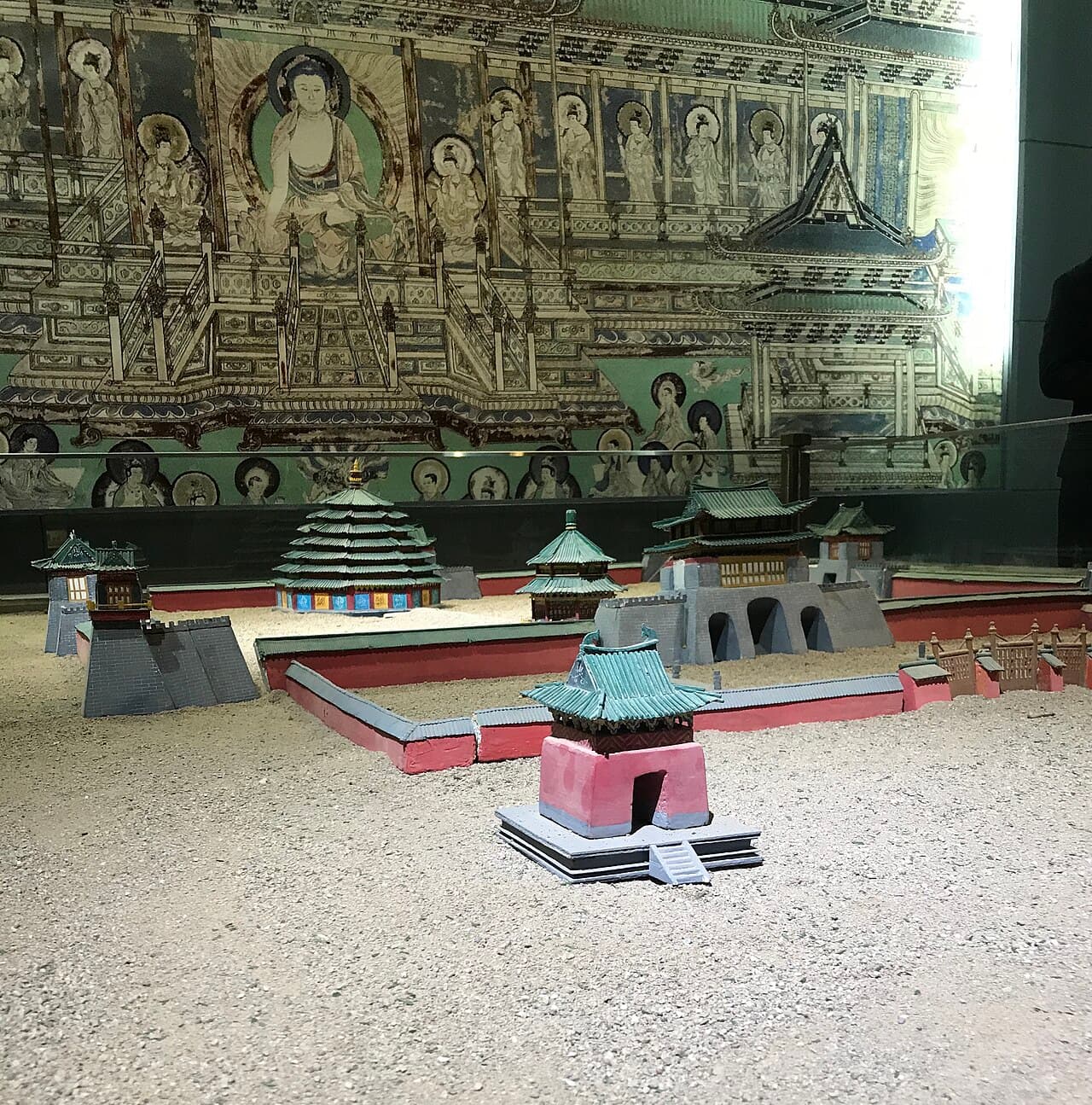
Photo : Hiroooooo (CC BY-SA 3.0)
Located in the Ningxia Hui Autonomous Region of northwestern China, this archaeological site comprises a necropolis of imperial tombs belonging to the Tangut-led Western Xia dynasty, which ruled the region from the 11th to 13th centuries. The site consists of nine imperial mausoleums arranged in a grid pattern, along with associated temple structures and administrative buildings that reflect the funerary practices and architectural traditions of this medieval state. The tombs feature distinctive pyramid-shaped earthen mounds and are accompanied by stone statuary, including guardian figures and ceremonial animals that characterize Xia imperial burial customs. The layout and material remains provide significant evidence of the Western Xia's cultural synthesis, drawing influences from Chinese, Tibetan, and nomadic traditions. The site's archaeological and historical importance lies in its documentation of a major regional power whose civilization was largely destroyed during Mongol conquests, making these tombs crucial sources for understanding this period of Central Asian history.