Cultural
Sites du tusi
Chine
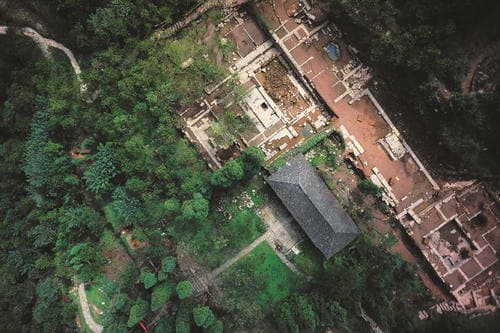
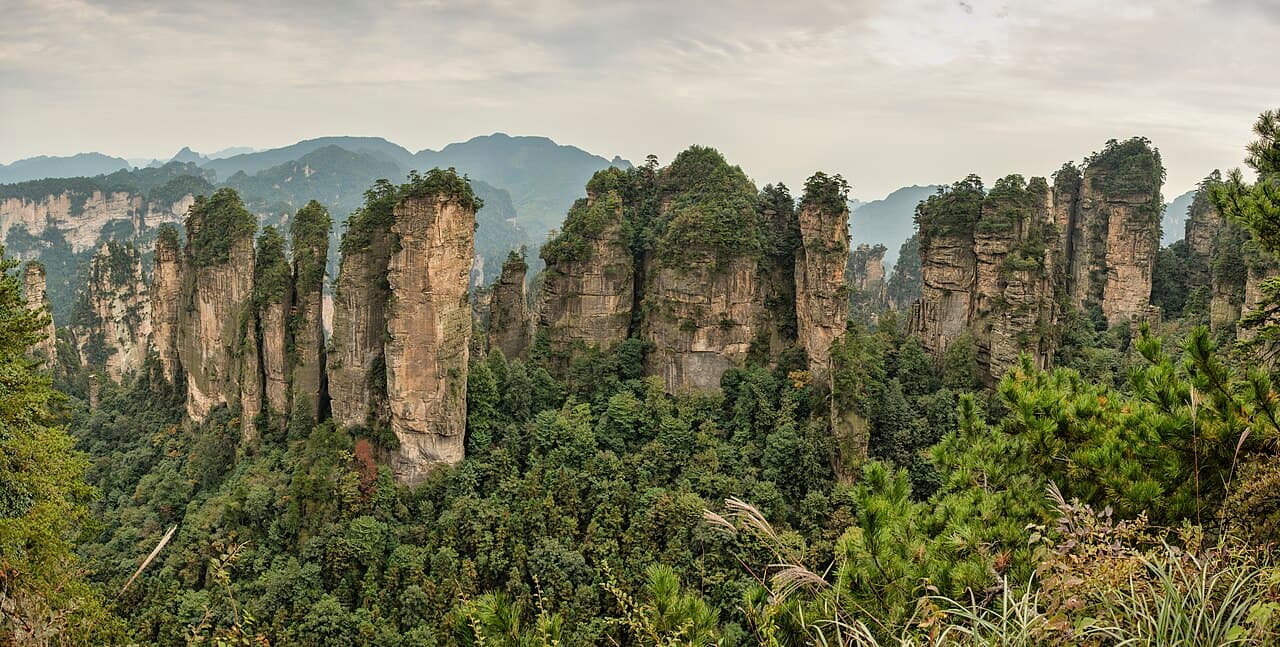
The tusi sites in China represent a distinctive system of indigenous chieftain territories that operated within the administrative framework of the Chinese imperial state. These administrative divisions, governed by local hereditary leaders who maintained considerable autonomy while acknowledging central authority, functioned particularly during the Ming and Qing dynasties as a pragmatic approach to governing remote and ethnically diverse regions. The sites are distributed across mountainous terrain in southwestern China, spanning areas inhabited by various ethnic groups including the Miao, Dong, and other indigenous populations. The tusi system is characterized by the preservation of traditional settlement patterns, fortifications, and administrative structures that reflect both indigenous governance practices and their integration into the broader Chinese political system. The archaeological and architectural remains at these locations provide evidence of the complex interactions between central imperial control and local autonomy in frontier regions. The sites are recognized for their historical significance in demonstrating alternative models of territorial administration and cultural coexistence during imperial China's expansion into peripheral areas.