Mixed
Paysage culturel des forêts anciennes de théiers de la montagne Jingmai à Pu’er
Chine
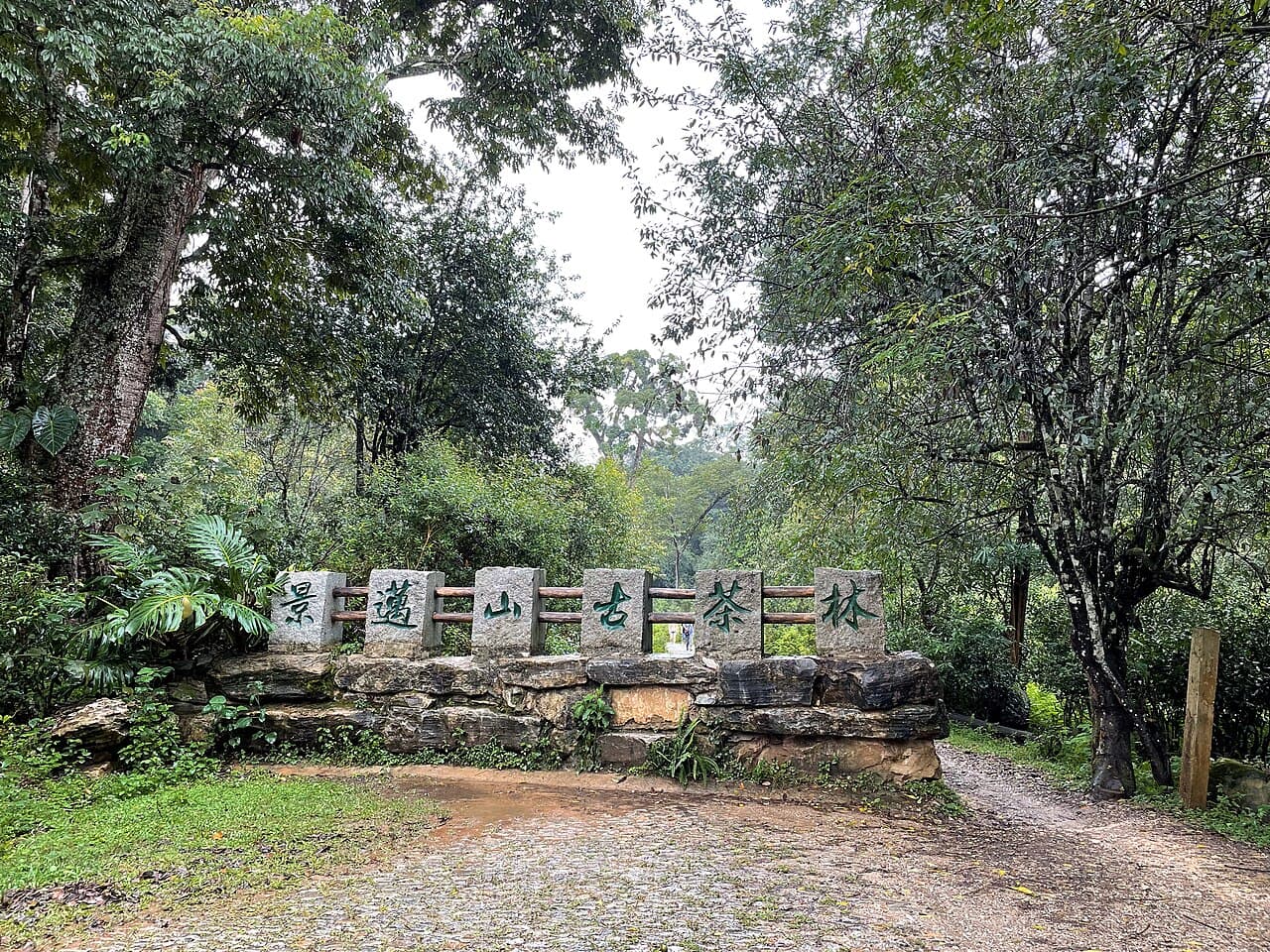
Photo : 919sth. (CC BY-SA 4.0)
Located in Pu'er, Yunnan Province in southwestern China, this cultural landscape encompasses ancient tea forests integrated with the traditional territories of the Blang and Dai peoples. The site represents a millennia-old system of tea cultivation that has evolved through continuous human interaction with the natural forest environment, creating a distinctive agro-forestry landscape where wild and semi-cultivated tea plants grow beneath a native forest canopy. The integration of tea production with forest conservation demonstrates a unique model of sustainable land management that has been maintained across generations, preserving both biodiversity and cultural heritage. The landscape is characterized by dense tea plantations interspersed with native vegetation, terraced on mountainous terrain, reflecting deep ecological knowledge and adaptation to local conditions. This mixing of agricultural practice with forest ecosystem management distinguishes it as both a natural and cultural site of significant value, showcasing the interdependence between indigenous communities and their environment. The Jingmai mountain tea forests exemplify how cultural traditions can sustain productive landscapes while maintaining ecological integrity.