Cultural
Station baleinière basque de Red Bay
Canada
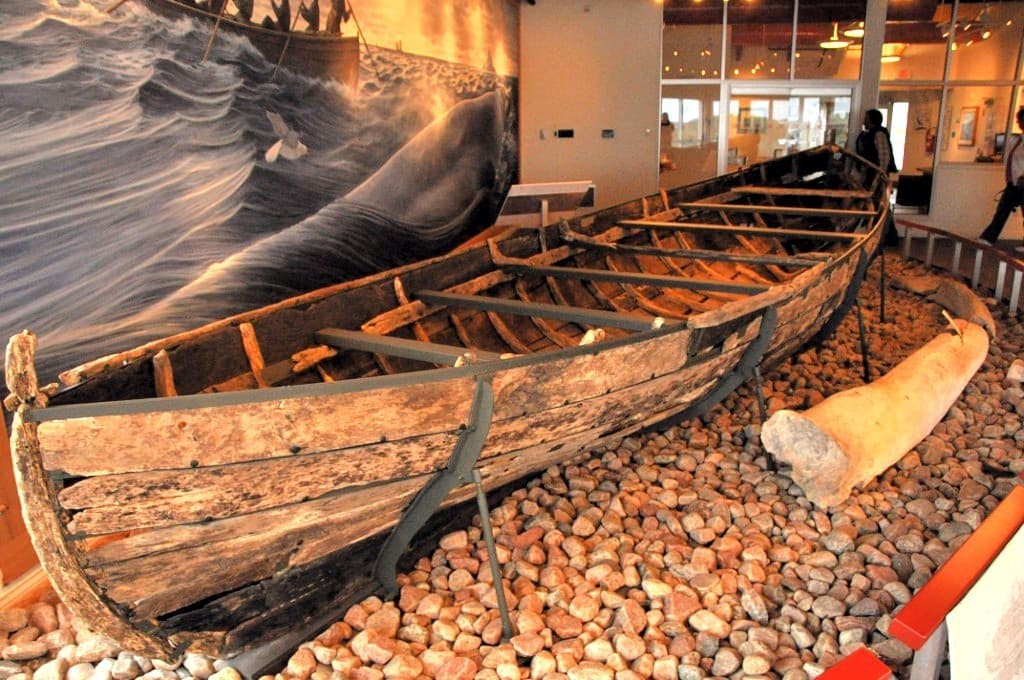
Photo : Magicpiano (CC BY-SA 3.0)
This cultural heritage site represents the remains of a Basque whaling station located in Red Bay, Labrador, Canada. The site preserves evidence of European whaling activities in North America, demonstrating the economic and maritime importance of the Basque whaling industry during the 16th and 17th centuries. The archaeological remains include the foundations of buildings, storage facilities, and tryworks used for processing whale oil, alongside shipwrecks and artifacts that document trans-Atlantic trade routes and early European presence in the region. The site's significance lies in its contribution to understanding pre-Columbian and early contact period interactions between European and indigenous populations in northeastern North America. Located on the Labrador coast, the station's physical setting reflects the strategic positioning required for whaling operations and the maritime landscape that shaped this historical activity. The archaeological evidence at Red Bay provides insights into the material culture, technology, and daily life of early modern European communities engaged in resource extraction in North America.