Cultural
Les Sundarbans
Bangladesh
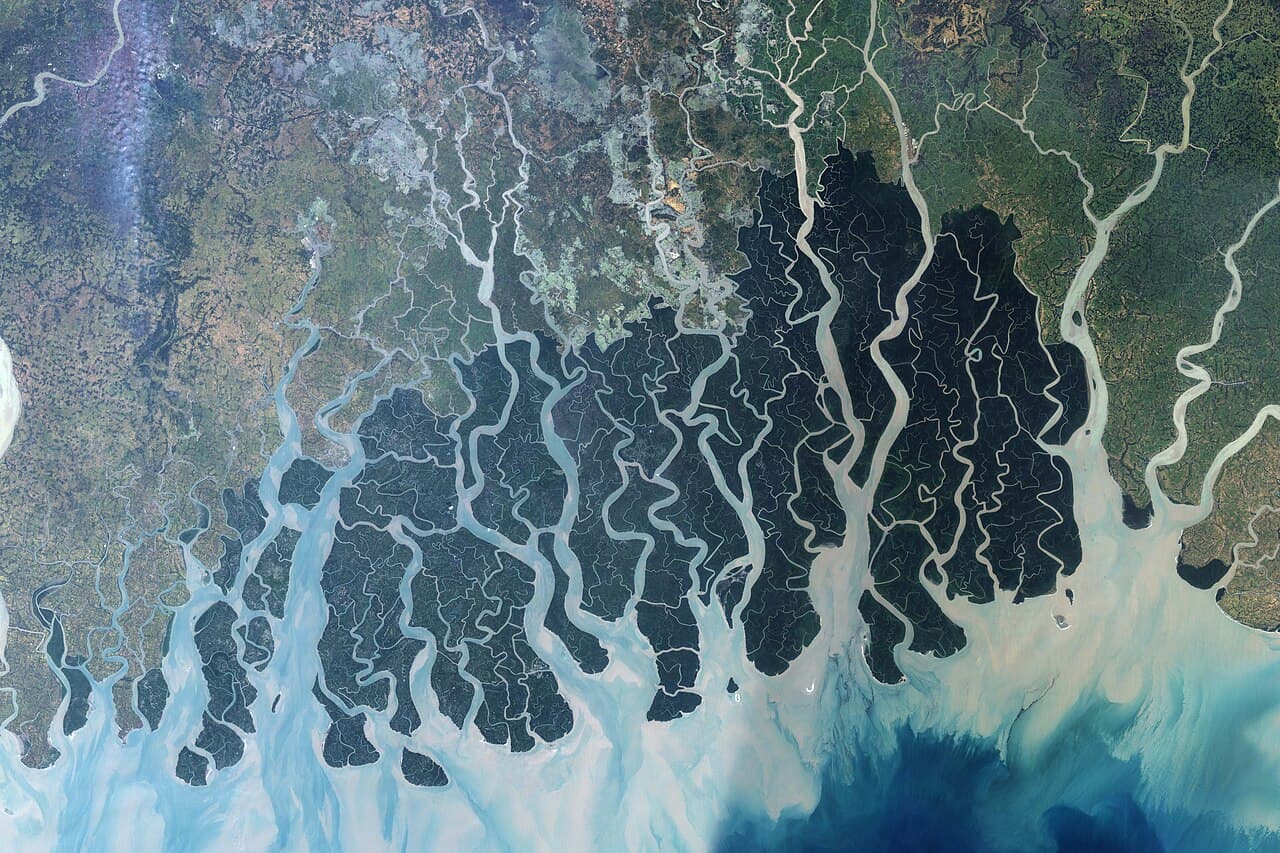
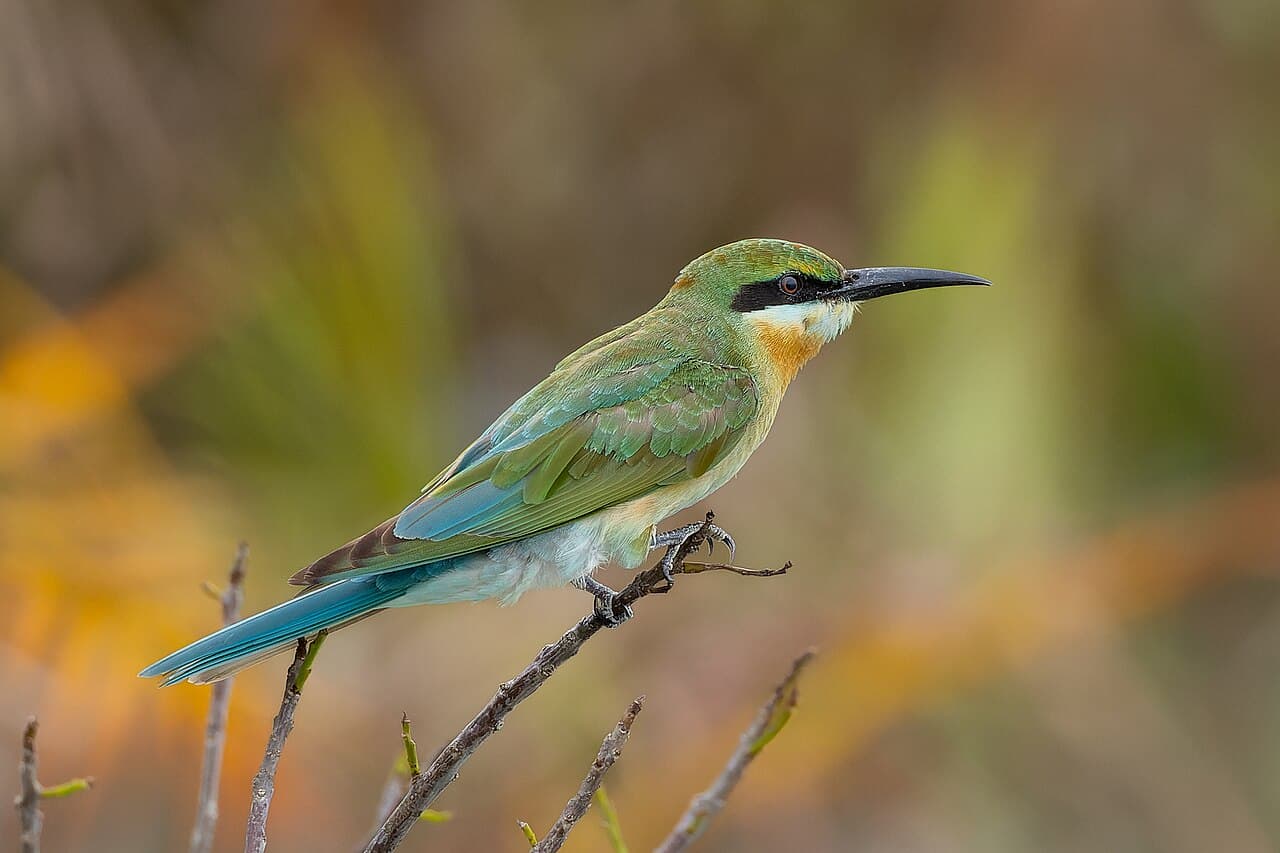
Situated in southern Bangladesh where the Ganges, Brahmaputra, and Meghna rivers converge with the Bay of Bengal, the Sundarbans represents the world's largest mangrove forest ecosystem. This vast wetland landscape is characterized by dense mangrove vegetation, tidal waterways, and numerous islands that form a complex network of channels and water bodies. The site's ecological significance stems from its role as a critical habitat for numerous species including the endangered Bengal tiger, as well as various aquatic and avian species dependent on the mangrove environment. The Sundarbans also serves as a vital buffer against cyclones and tidal surges, protecting inland populations and agricultural areas from natural disasters. The region's historical importance is linked to its long occupation by human communities who have developed distinctive resource management practices adapted to the challenging tidal environment. The visual character of the Sundarbans is defined by its dense vegetation, intricate waterway patterns, and the interplay between terrestrial and aquatic ecosystems.