Cultural
Cueva de las Manos, Río Pinturas
Argentine
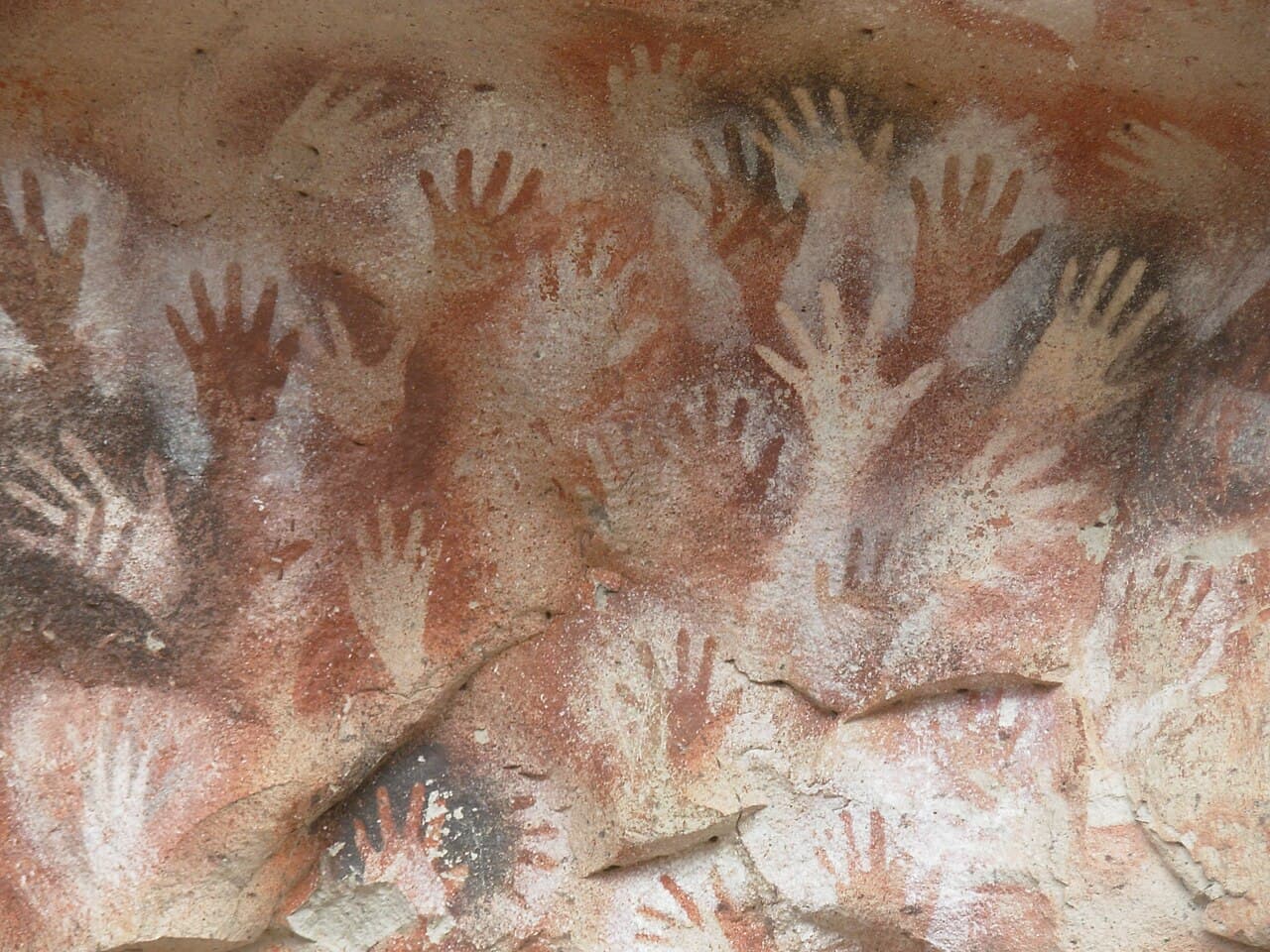
Photo : Maxima20 (CC BY-SA 3.0)
Located in the Río Pinturas canyon in the Argentine province of Santa Cruz, this archaeological site preserves hand stencils and guanaco hunting scenes created on rock surfaces over a span of several millennia. The site contains over 800 hand impressions, primarily produced using the negative stenciling technique, with the oldest evidence dating to approximately 9,300 years ago. These hand stencils represent one of the most extensive records of human hand art from the Holocene period and provide significant insights into the hunting practices and social organization of pre-Columbian hunter-gatherer societies in Patagonia. The rock art displays characteristic pigmentation using natural mineral ochres in shades of red, orange, and white, applied to vertical cliff faces overlooking the river valley. The combination of negative hand stencils with depictions of guanaco hunts offers a valuable record of ancient subsistence strategies and cultural expression in southern South America. The site's cultural significance lies in its capacity to illuminate the lives of Patagonian peoples across several thousand years of continuous occupation and artistic activity.