Mixed
Paysage culturel de Mapungubwe

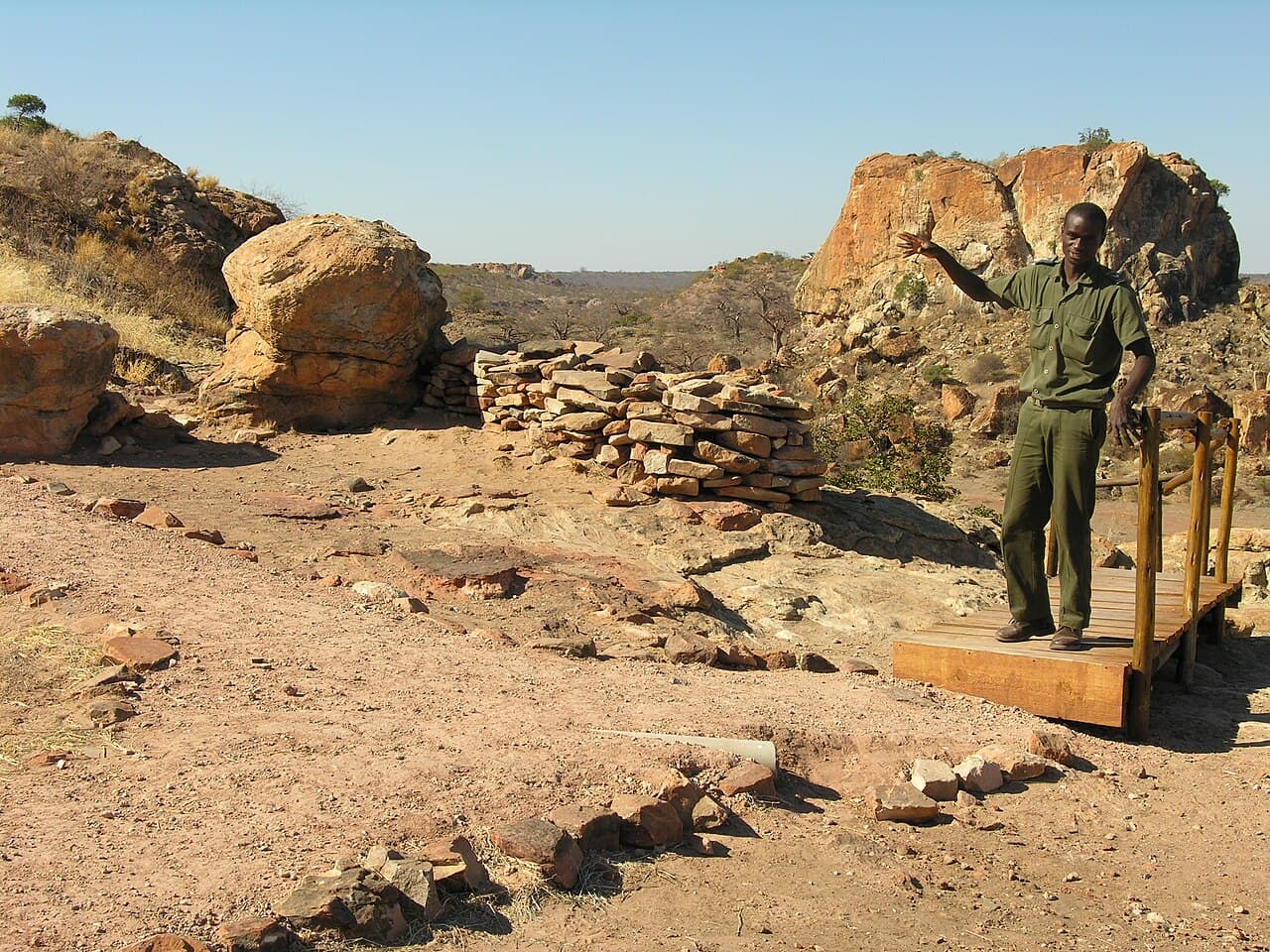
Photo : Francesco Bandarin (CC BY-SA 3.0 igo)
Located in northern South Africa near the borders with Botswana and Zimbabwe, this cultural landscape encompasses the archaeological remains of the Kingdom of Mapungubwe, which flourished between the 11th and 13th centuries. The site preserves evidence of an important pre-colonial settlement and trading centre situated at the confluence of the Limpopo and Shashe rivers, where communities developed sophisticated urban planning and engaged in regional and international commerce. The landscape is characterized by extensive archaeological deposits, including residential areas, terraces, and specialized craft zones that reveal the complexity of this early African state. The visual setting combines rocky outcrops and riverine valleys with scattered archaeological features that attest to diverse settlement patterns across the terrain. The site's designation reflects both its archaeological significance in understanding pre-colonial African history and its cultural-landscape value, demonstrating how natural geography shaped human settlement and economic activity. Mapungubwe represents an important example of early African urbanization and the development of sophisticated trading networks in the southern African region.