Cultural
Göbekli Tepe
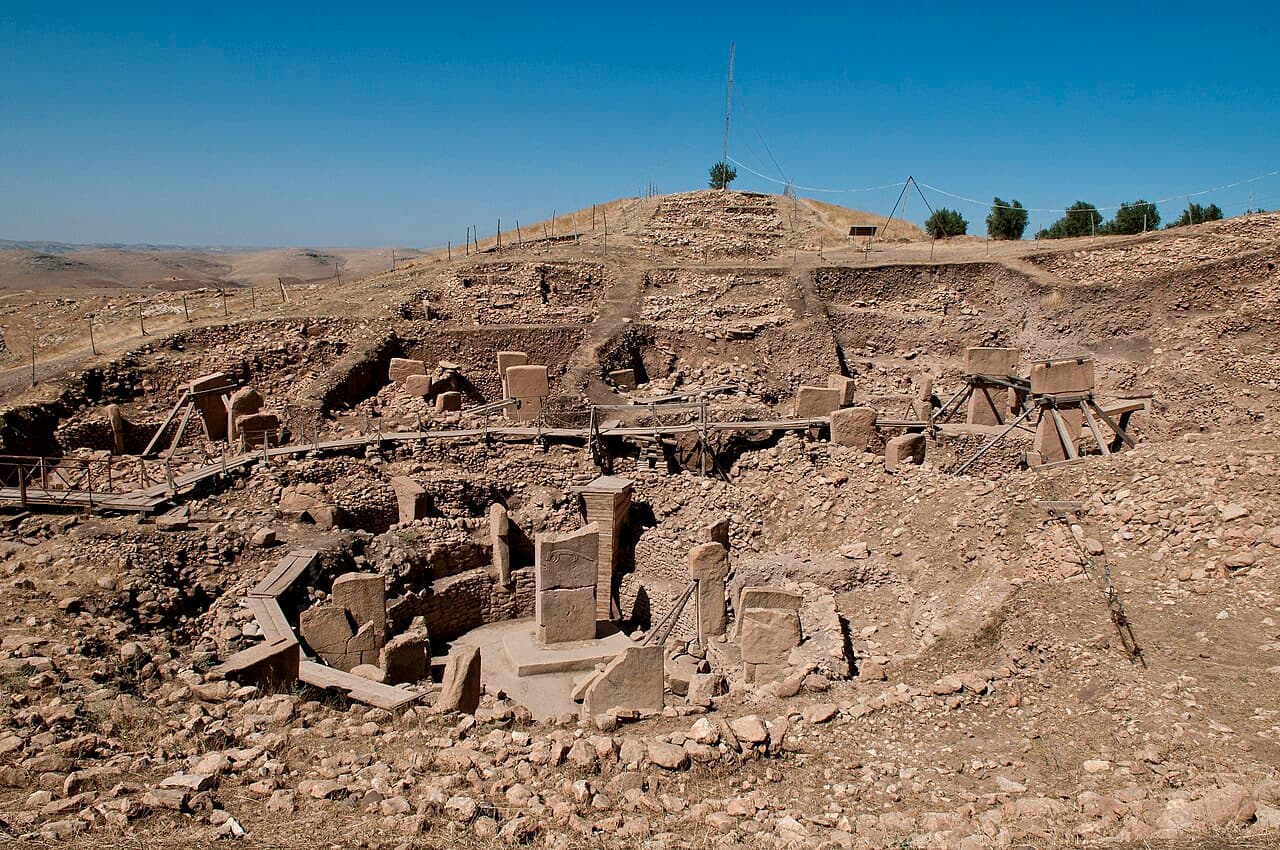
Photo : Teomancimit (CC BY-SA 3.0)
Located in southeastern Turkey near the Syrian border, this archaeological site represents one of the earliest known examples of monumental architecture and ritual gathering places in human history. The site contains large stone structures and carved reliefs featuring animal motifs, dating to the Pre-Pottery Neolithic period, predating agriculture and permanent settlements in the region. Extensive excavation has revealed a complex of limestone pillars, some reaching over six meters in height, arranged in circular formations and decorated with intricate carved designs. The presence of these monumental structures suggests organized communal activities and sophisticated planning capabilities among hunter-gatherer societies previously thought incapable of such achievements. The site fundamentally challenges conventional understanding of prehistoric cultural development and the relationship between monumental architecture and sedentary civilization. Its significance lies in providing archaeological evidence of early ritual practices, social organization, and artistic expression at a formative period of human cultural development.