Cultural
Pays Bassari : paysages culturels Bassari, Peul et Bédik
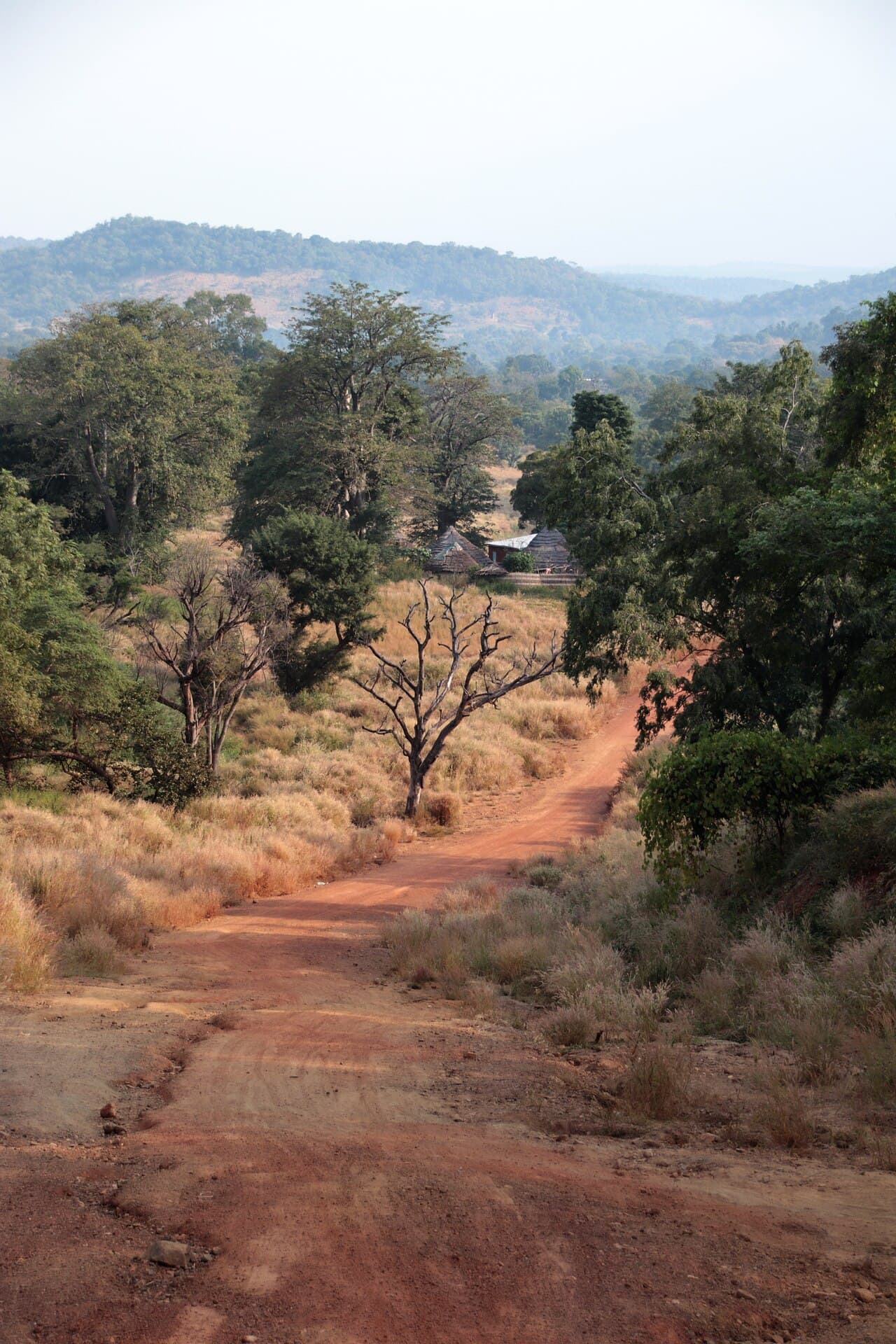
Photo : Saemmi (CC BY-SA 4.0)
This cultural landscape in southeastern Senegal encompasses the territories inhabited by three distinct ethnic groups: the Bassari, Peul, and Bédik peoples. The site represents a unique interplay between human communities and their natural environment, shaped by centuries of agricultural practices, pastoral traditions, and social organization specific to each group. The terrain is characterized by plateaus, valleys, and rocky outcrops in the Fouta Djallon region, creating a distinctive topography that has influenced settlement patterns and land use. The landscape reflects the traditional knowledge systems and customary practices of these communities, including their approaches to resource management, architecture, and cultural expression. The site's significance lies in its demonstration of how different cultural groups have maintained their heritage and adapted their lifestyles within a shared geographical space. The Bassari, Peul, and Bédik cultural landscapes thus constitute a living testimony to the region's cultural diversity and the sustainable relationship between communities and their environment.