Natural
Haute Côte / Archipel de Kvarken
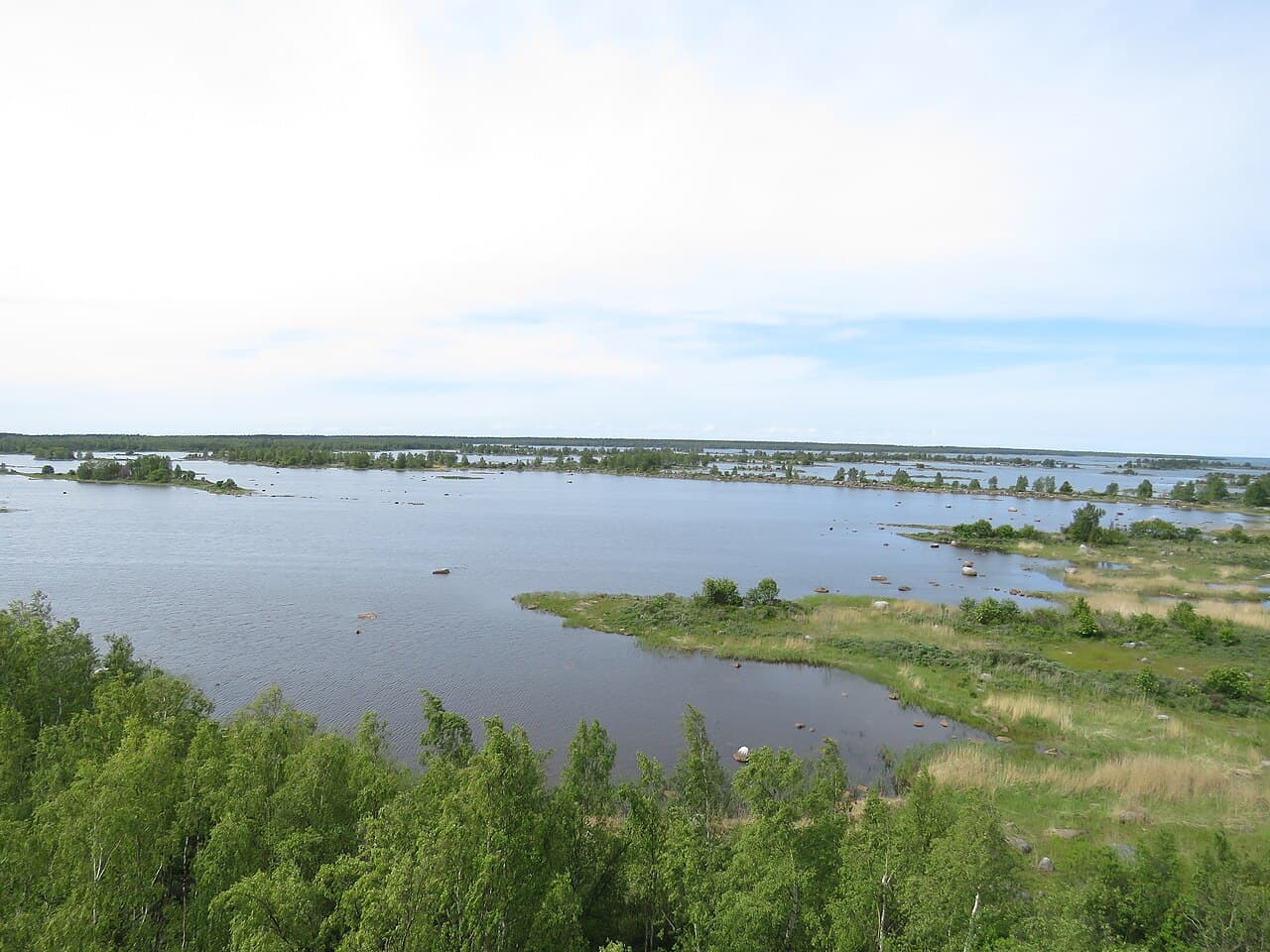
Photo : Xepheid (CC BY-SA 4.0)
Located in the Gulf of Bothnia between Sweden and Finland, this natural site encompasses the High Coast archipelago and the Kvarken region, representing one of the world's most active examples of isostatic land uplift. The area demonstrates significant geological processes resulting from the last ice age, where the Earth's crust continues to rise following the retreat of glacial ice sheets, creating continuously evolving landscapes of islands and skerries. The archipelago is characterised by its distinctive granite geology, steep coastal cliffs, and a mosaic of islands at various stages of emergence from the sea, alongside deep submarine valleys that attest to glacial activity. This dynamic geological environment supports unique ecosystems adapted to the ongoing environmental changes, with diverse flora and fauna reflecting both terrestrial and marine habitats. The site's scientific value lies in its capacity to illustrate fundamental principles of earth sciences and glacial geomorphology through observable and measurable natural phenomena.