Cultural
Lac Baïkal
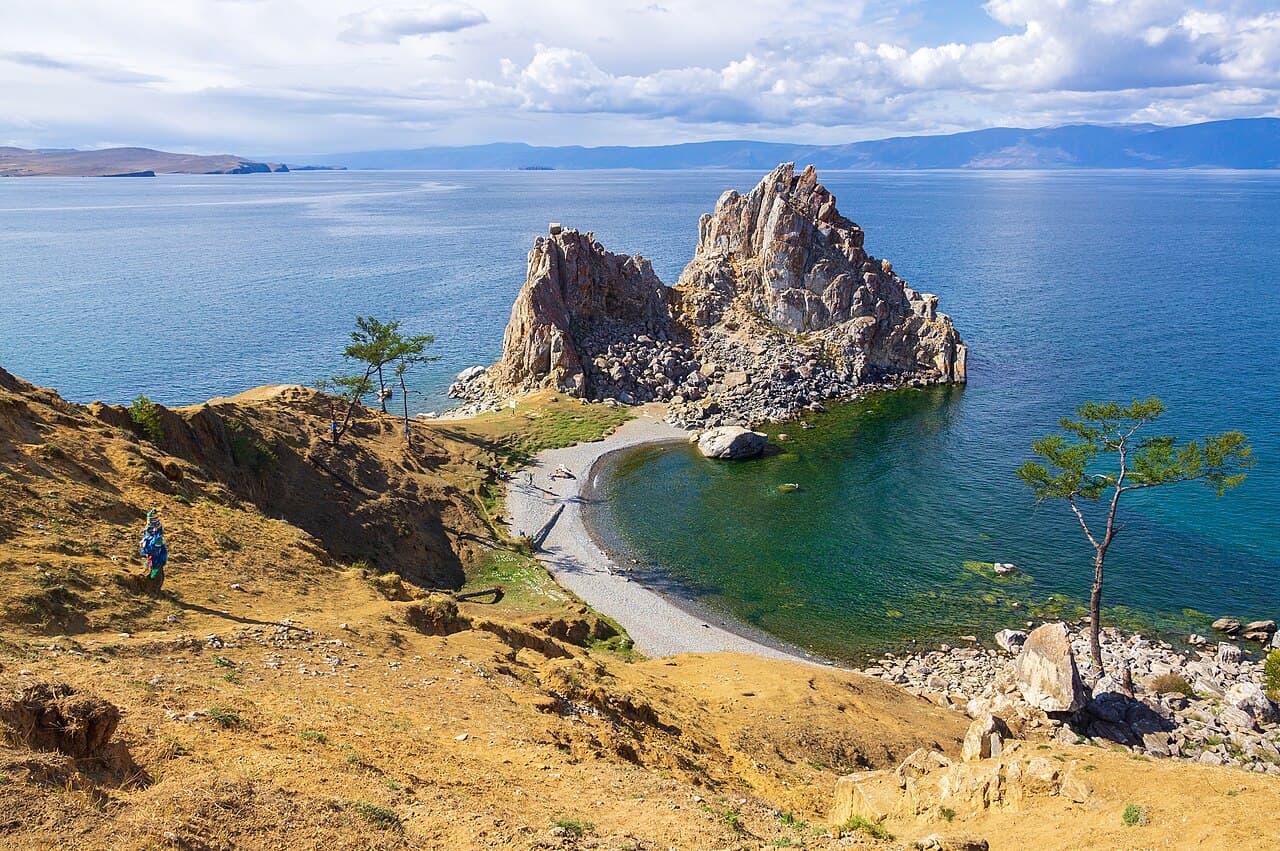
Photo : Vyacheslav Argenberg (CC BY 4.0)
Located in southern Siberia in the Russian Federation, this site encompasses the world's deepest freshwater lake, which contains approximately one-quarter of the planet's surface fresh water. The lake's exceptional geological significance stems from its ancient rift valley origin and ongoing tectonic activity, making it a natural laboratory for studying continental rifting and geological processes. The surrounding landscape comprises a diverse ecosystem of taiga forests, mountain ranges, and endemic flora and fauna that have evolved in isolation over millions of years. The region holds considerable scientific value due to its unique paleontological records and the presence of species found nowhere else on Earth, particularly in its aquatic environment. The site's cultural importance is reflected in its significance to indigenous Siberian peoples and its role in Russian exploration and settlement patterns. The pristine natural environment, characterized by steep rocky shores, clear waters, and vast expanses of wilderness, represents one of the most intact freshwater ecosystems in the world.