Cultural
Paysage minier de Roșia Montană
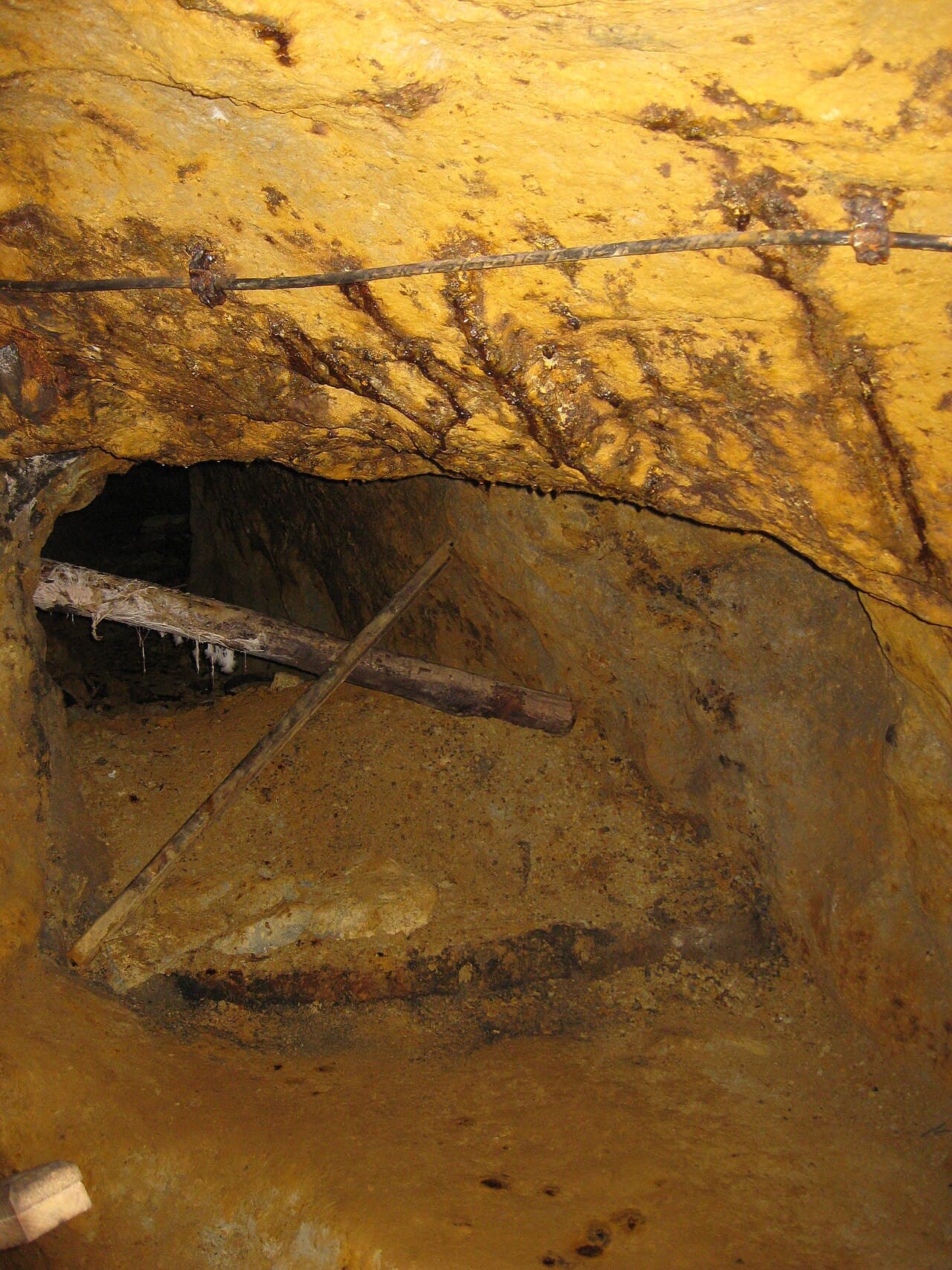
Photo : Codrinb (CC BY-SA 3.0 ro)
Located in the Apuseni Mountains of western Romania, this mining landscape represents nearly two millennia of continuous precious metal extraction. The site encompasses Roman-era underground galleries, medieval mining operations, and industrial-period infrastructure that document the evolution of mining techniques across different historical periods. The cultural heritage value lies in its preserved evidence of ancient, medieval, and modern mining practices, including stone channels, terraced excavations, and settlement remains that illustrate human adaptation to resource extraction over an extended timespan. The landscape itself bears visible testimony to this prolonged exploitation, with altered terrain features and archaeological stratification that provide insight into historical economic systems and technological development. The site's significance derives from its role as a major source of gold and silver for various successive powers, from Roman administration through the Ottoman period and into modern times. This palimpsest of mining activities makes the location a substantial record of European economic and technological history.