Cultural
Taxila
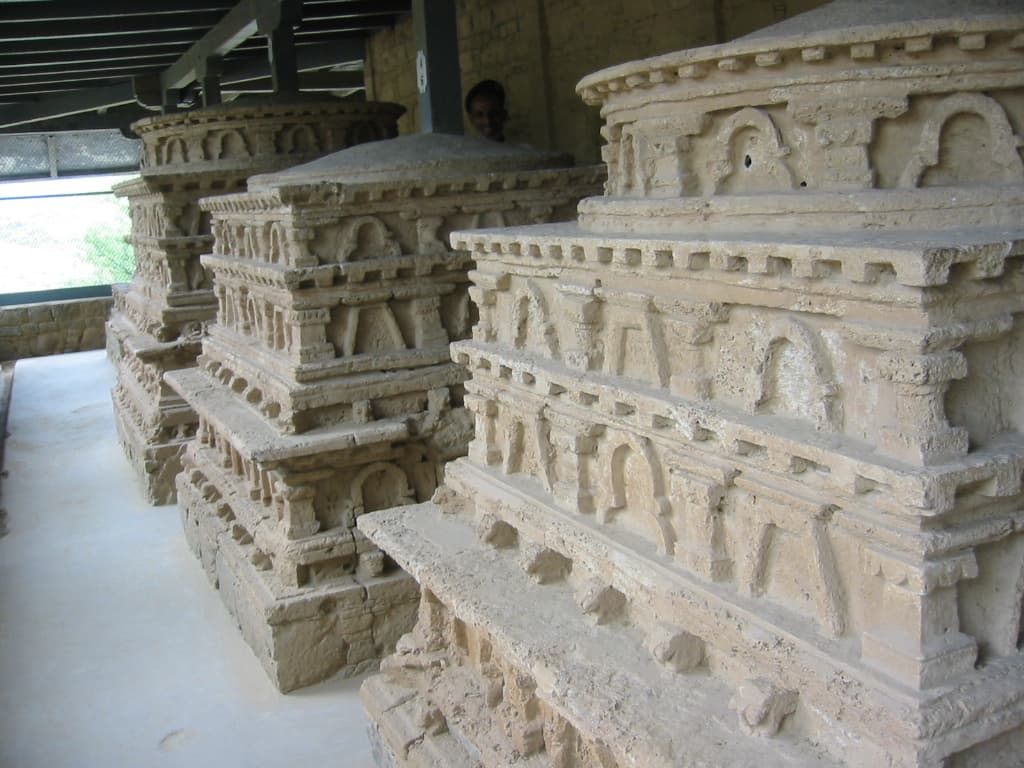
Photo : The original uploader was Alakazou1978 at English Wikipedia. (CC BY-SA 3.0)
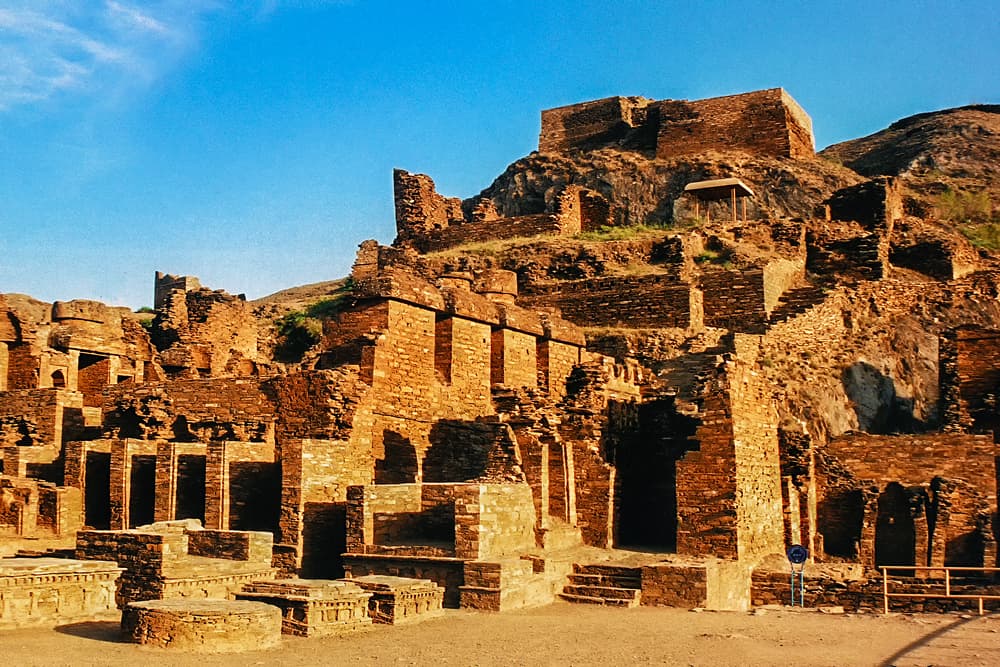
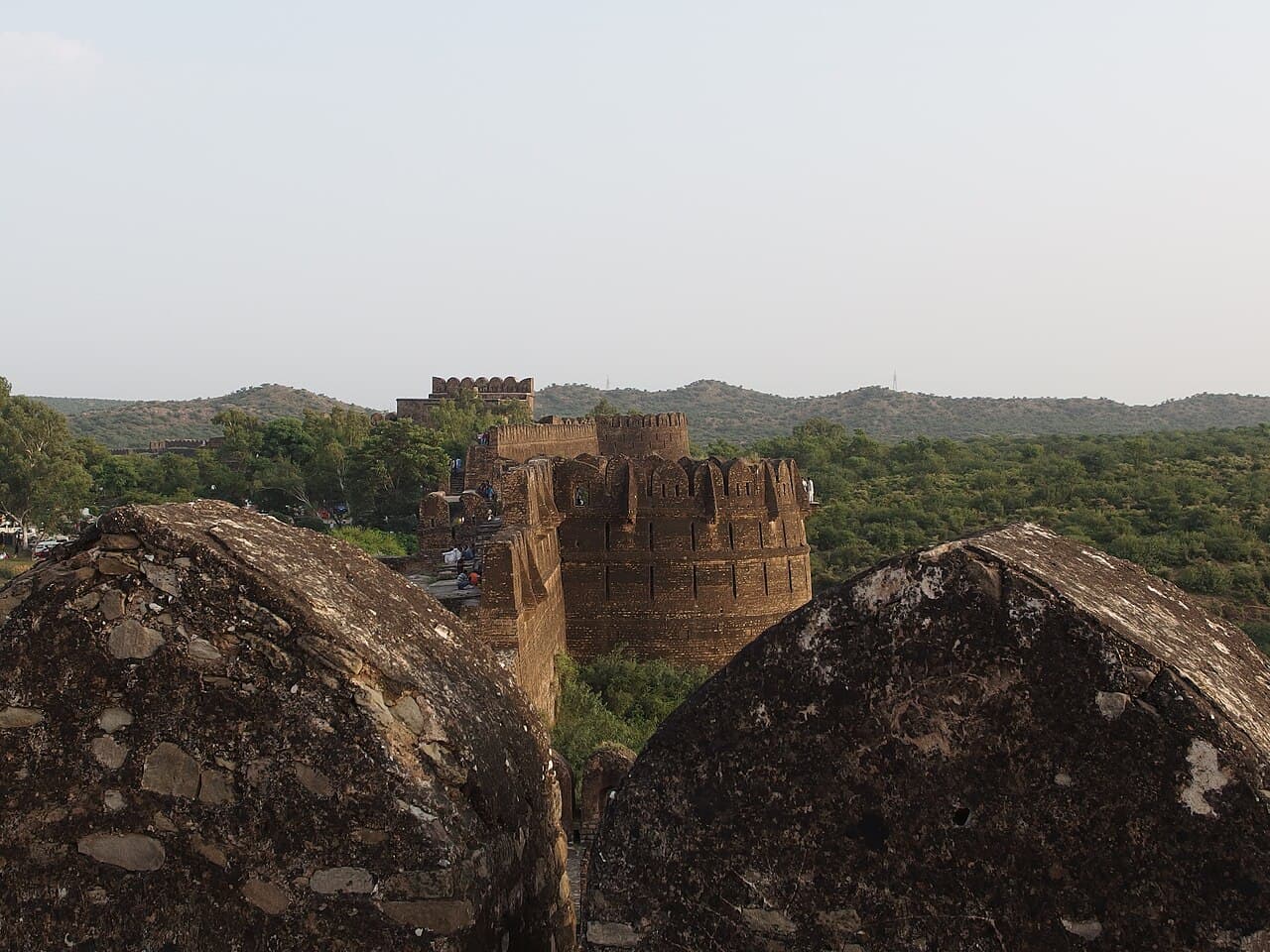
Located in the Punjab province of Pakistan, this archaeological site represents the remains of three successive cities that flourished along the Silk Road, serving as a major center of Buddhist learning and artistic development. The site encompasses the ruins of Bhir Mound, Sirkap, and Sirsukh, which span from the 5th century BCE through the 5th century CE, reflecting the cultural evolution of the region under various rulers including the Mauryan, Seleucid, and Kushan empires. Taxila is distinguished by its substantial collection of Buddhist monasteries, stupas, and temple structures that demonstrate a synthesis of Greek, Persian, Central Asian, and Indian architectural and artistic influences. The site is characterized by its urban planning, fortifications, and numerous artifacts including sculptures, pottery, and coins that illustrate the cosmopolitan nature of ancient trade networks. The scattered remains across multiple mounds reveal evidence of the city's role as a crucial intellectual hub where Buddhist philosophy was studied and transmitted throughout Asia. The archaeological significance of Taxila lies in its documentation of cultural exchange and the development of Gandharan art during the classical period of South Asian history.