Cultural
Ruines de León Viejo
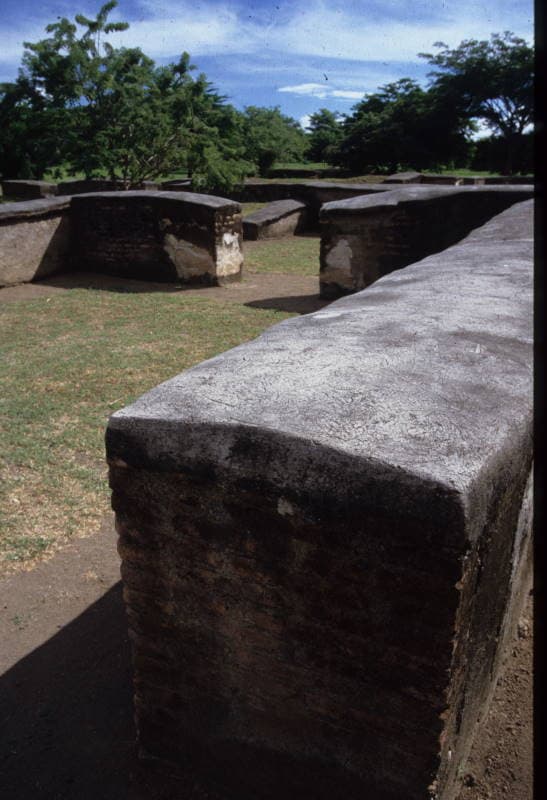
Photo : Diego Tirira from Quito, Ecuador (CC BY-SA 2.0)
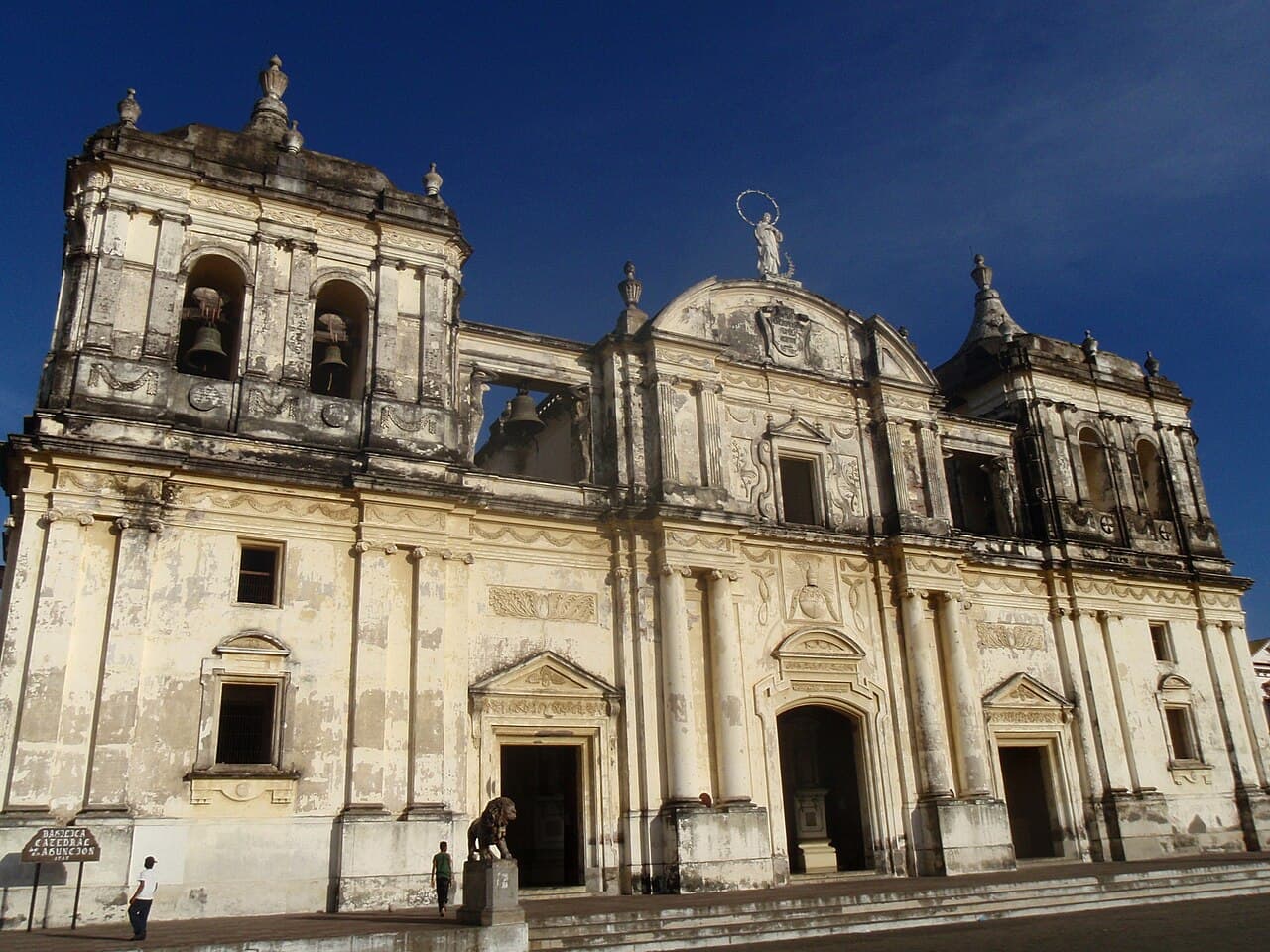
Located in northwestern Nicaragua, León Viejo represents the archaeological remains of the original Spanish colonial city of León, founded in the early sixteenth century. The site comprises ruins of several structures including a cathedral, convents, and residential buildings that reflect the urban planning and architectural practices of the Spanish conquest period in Central America. The ruins are situated in a landscape shaped by volcanic activity, as the city was eventually abandoned following destructive earthquakes and the threat of volcanic eruption. UNESCO recognition of this site acknowledges its significance as evidence of early European settlement and indigenous interaction in the region, as well as its contribution to understanding colonial urban development in the Americas. The remains, partially excavated and preserved, reveal building techniques and spatial organization characteristic of sixteenth-century Spanish colonial towns. León Viejo thus serves as an important archaeological testimony to the complex processes of conquest, colonization, and urban transformation in Central America.