Cultural
Zone de monuments historiques de Querétaro
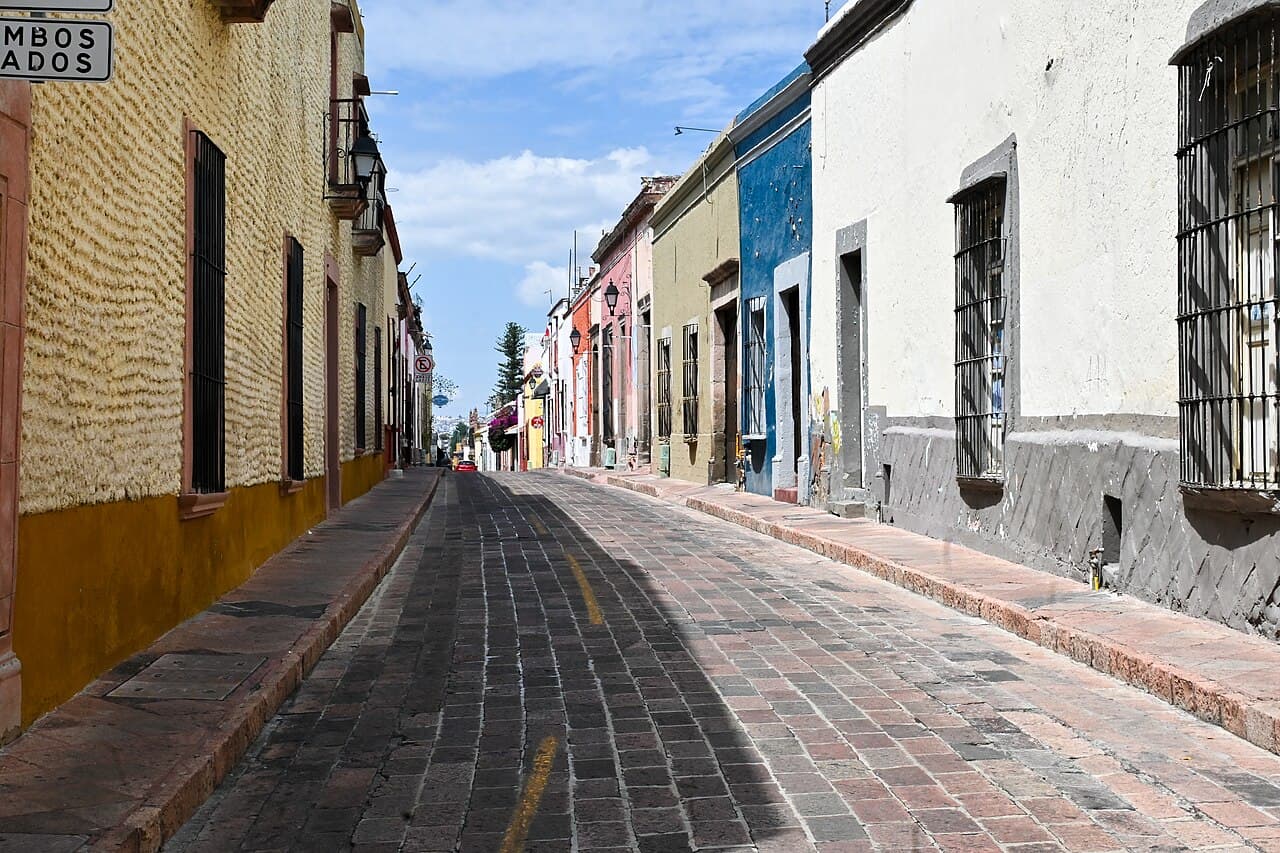
Photo : ProtoplasmaKid (CC BY-SA 4.0)
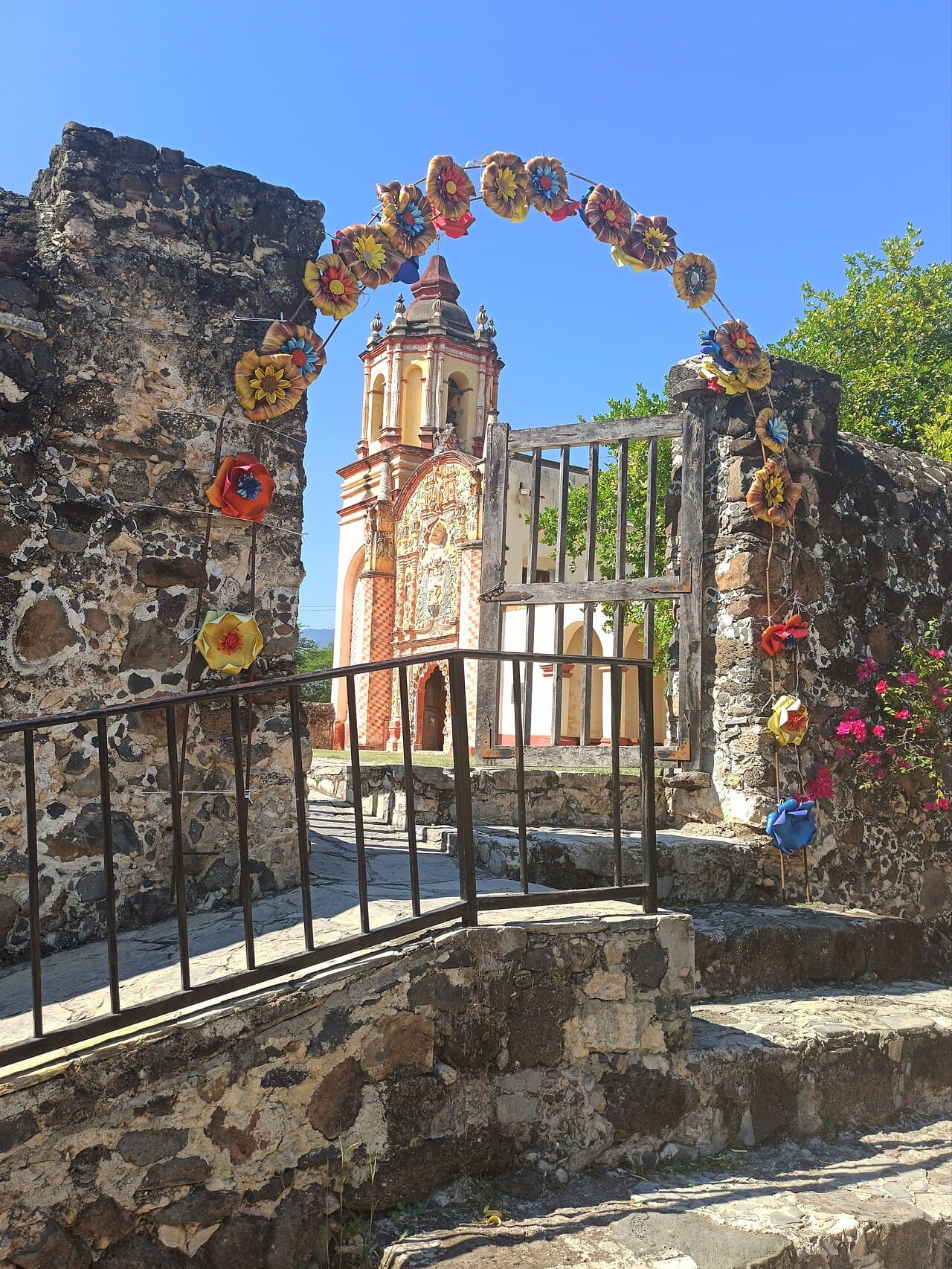
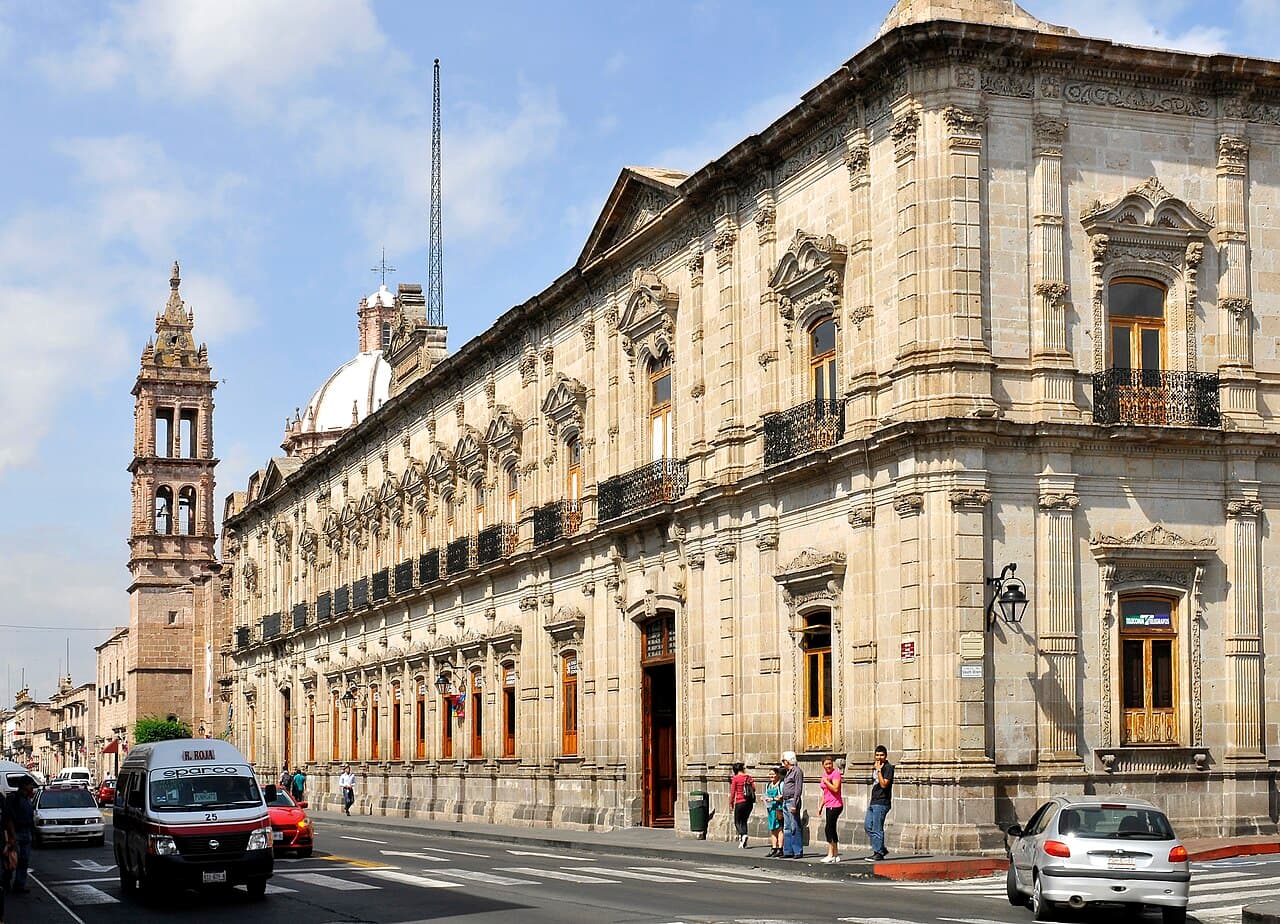
This historic monuments zone in Querétaro, Mexico, encompasses the colonial city center and represents a significant example of Spanish urban planning and architecture from the 16th to 18th centuries. The site is characterized by its grid-based street layout, baroque and neoclassical religious and civil structures, and the integration of indigenous and Spanish architectural traditions. Querétaro served as an important economic and cultural center during the colonial period, with its development closely tied to mining wealth and trade routes. The urban ensemble includes numerous churches, convents, palaces, and residential buildings that collectively illustrate the cultural and artistic evolution of colonial Mexico. The city's topography, following the course of the Querétaro River, shaped its distinctive urban form and continues to define its spatial character. The preservation of this architectural heritage makes the zone a significant testimony to the cultural synthesis and historical development of Mexico during the colonial era.