Cultural
Cité préhispanique de Teotihuacan

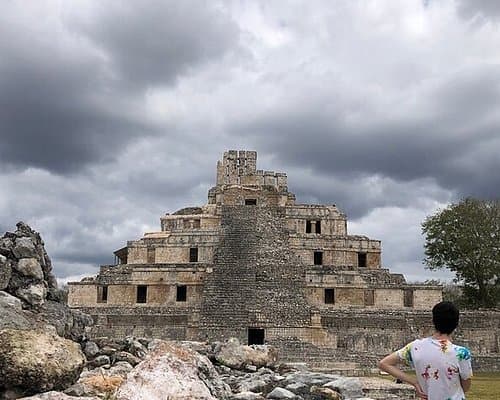
Located approximately 50 kilometers northeast of Mexico City, this pre-Hispanic archaeological site represents one of the most significant urban centers of ancient Mesoamerica. The city was built and inhabited between roughly the 1st and 8th centuries, reaching its peak during the Classic period before being abandoned prior to the arrival of the Aztecs. Teotihuacan is characterized by its distinctive pyramidal structures, including the Pyramid of the Sun and the Pyramid of the Moon, arranged along the central avenue known as the Street of the Dead, which creates a planned urban layout. The site displays sophisticated architectural and artistic traditions, with numerous residential complexes, temples, and administrative buildings that reflect advanced organizational and engineering capabilities. The visual landscape is dominated by massive stone pyramids and the remnants of multi-story structures decorated with mural paintings and sculptural elements. The cultural and archaeological significance of Teotihuacan as a major pre-Hispanic metropolis that influenced civilizations throughout Mesoamerica makes it essential to understanding the region's pre-Columbian heritage.