Cultural
Ancienne ville de Ghadamès
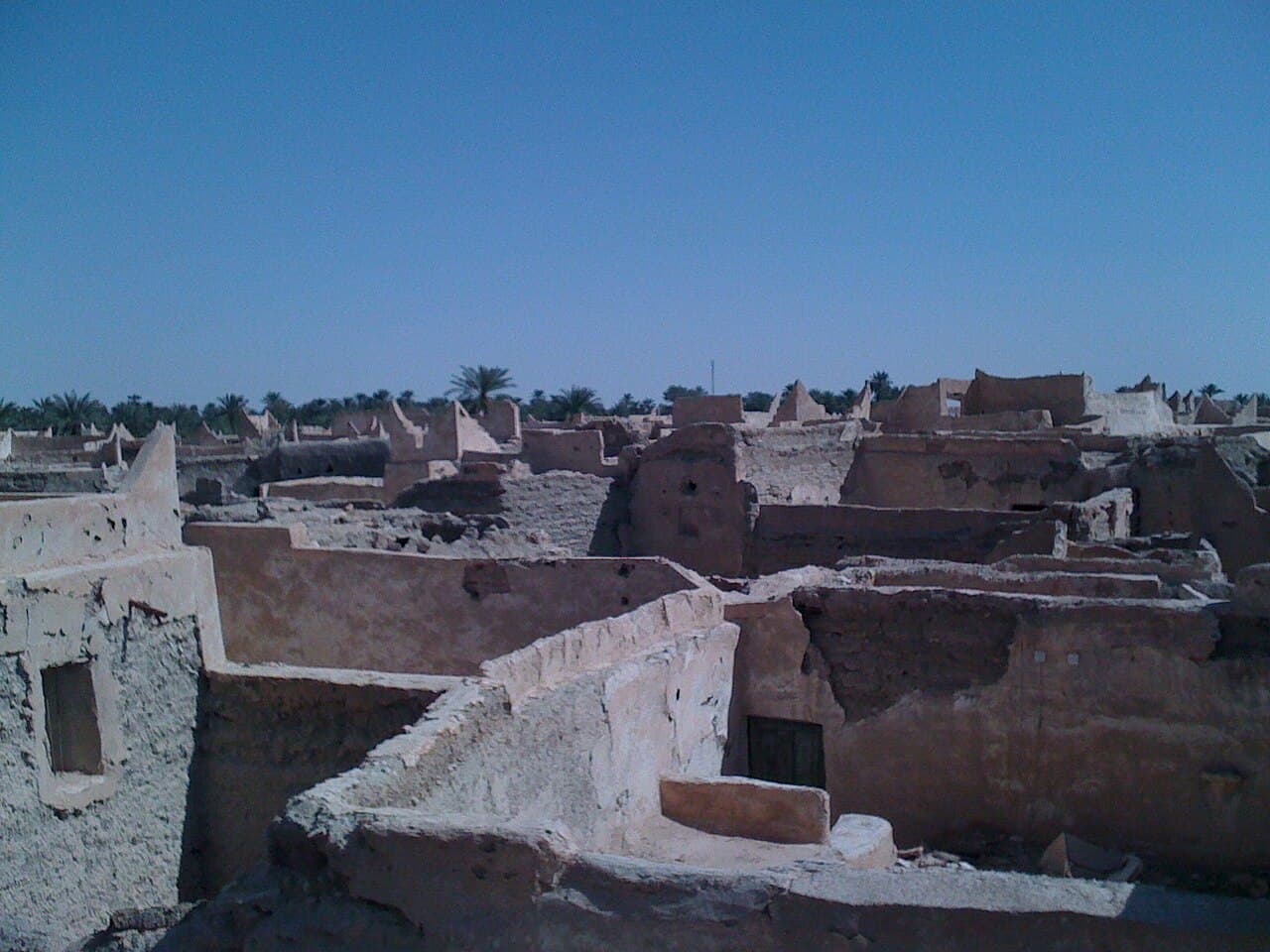
Photo : Kurt Dundy (CC BY-SA 3.0)
Located in southwestern Libya near the Algerian and Tunisian borders, this ancient walled town represents a remarkable example of traditional North African urban planning and architecture. The site's significance lies in its well-preserved medieval layout and indigenous building traditions that reflect centuries of Saharan trade and settlement patterns. The town is characterised by its distinctive mud-brick architecture, narrow winding streets, and multi-storey houses with interior courtyards designed to provide protection from the desert climate. Its historical importance derives from its role as a major trading hub connecting trans-Saharan caravan routes across North Africa. The architectural ensemble demonstrates sophisticated construction techniques adapted to extreme environmental conditions, with covered passageways and ventilation systems that regulate temperature and humidity. The old town's organic urban structure and intact building stock make it a significant example of pre-modern Saharan settlement patterns.