Cultural
Centre historique de Vilnius
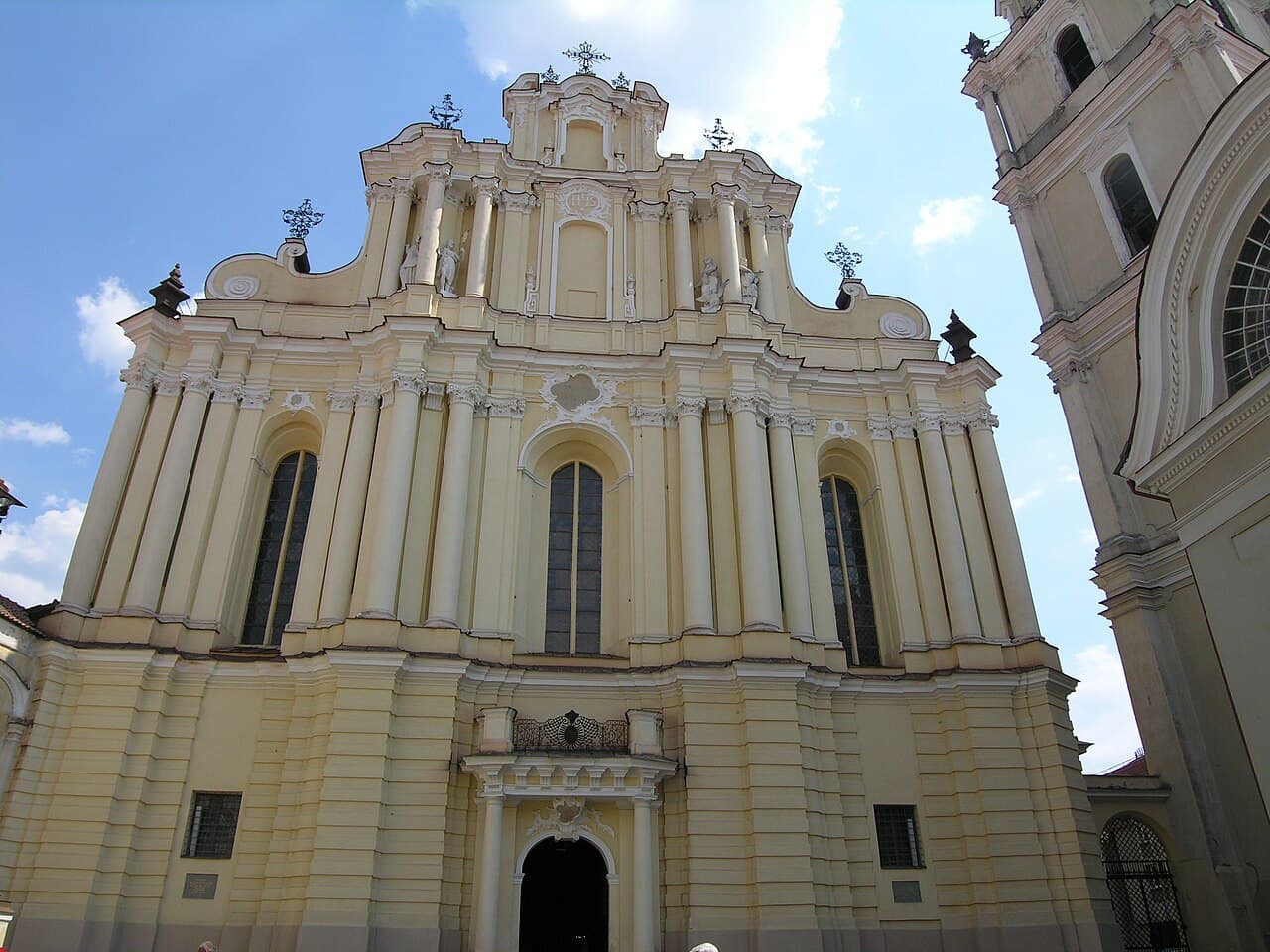
Photo : Francesco Bandarin (CC BY-SA 3.0 igo)
Located in Lithuania, the historic centre of Vilnius represents a significant example of medieval and early modern urban planning in Central and Eastern Europe. The site encompasses the old town district with its intricate network of narrow streets, historic squares, and diverse architectural heritage spanning several centuries. The area contains important religious monuments including Gothic, Renaissance, and Baroque churches, as well as residential and commercial buildings that reflect the city's complex cultural and historical development. Vilnius served as a major cultural and political centre, shaped by various influences including Lithuanian, Polish, Jewish, and Russian traditions. The architectural composition and urban layout of the historic centre document the evolution of a Central European city from medieval times through the modern period. The site's inscription recognises its outstanding universal value as a testimony to the city's historical significance and its architectural diversity.