Cultural
Sites Gusuku et biens associés du royaume des Ryukyu
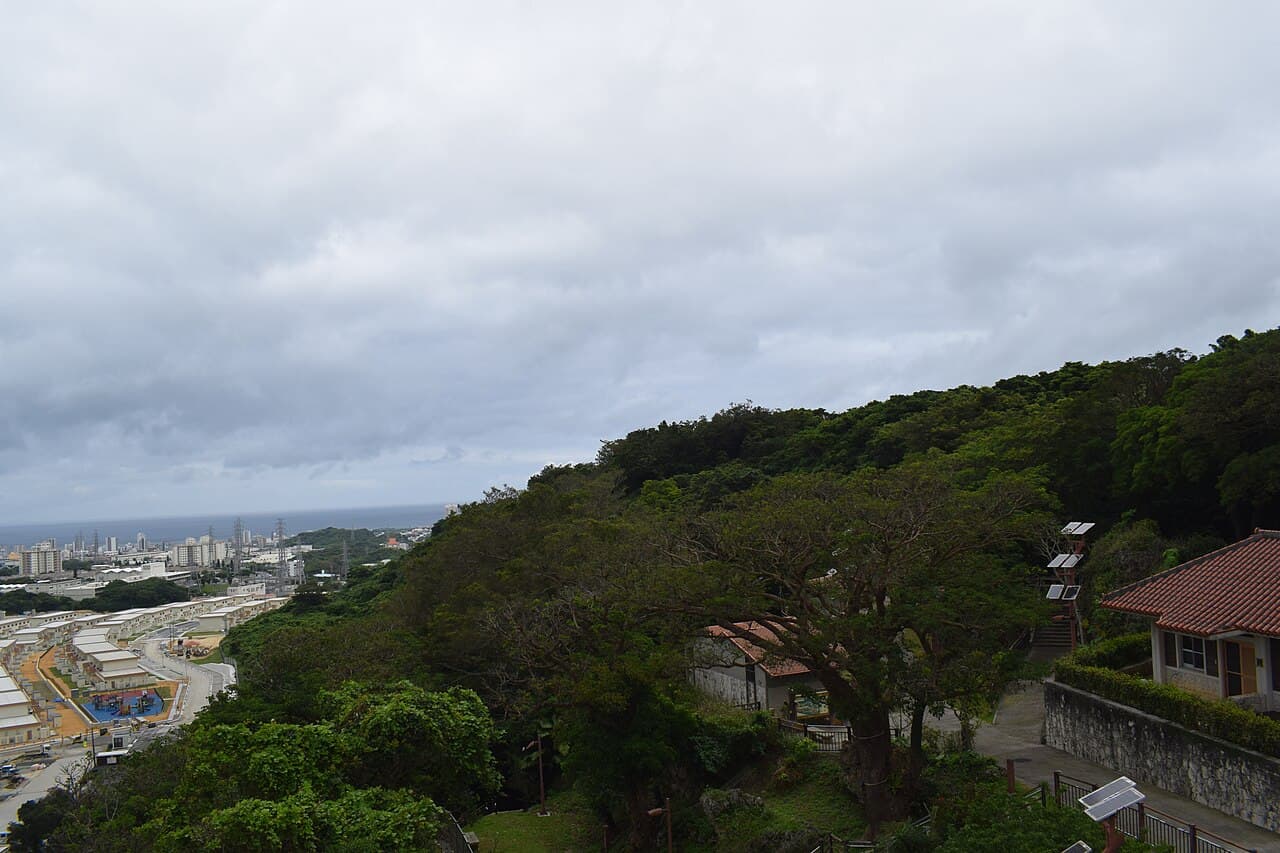
Photo : Bérangère444 (CC BY-SA 4.0)
This cultural heritage site encompasses the gusuku (castle ruins) and associated structures of the Ryukyu Kingdom, located in Japan. The gusuku represent distinctive fortified settlements that emerged in the Ryukyu Islands from the 12th century onwards, reflecting a unique architectural and cultural development separate from mainland Japanese traditions. These sites are characterized by their stone construction, strategic hilltop positioning, and integration with the surrounding landscape, alongside related cultural properties including administrative buildings, sacred sites, and archaeological remains. The inscribed properties document the political, economic, and social systems of the Ryukyu Kingdom, a distinct maritime kingdom that maintained its own governance structures and cultural identity for centuries. The sites collectively demonstrate the historical significance of Ryukyuan civilization and its interactions with neighboring regions, while the material remains provide evidence of local building techniques and settlement patterns adapted to the island environment. These gusuku and related sites represent an important chapter in East Asian history and serve as tangible records of a distinctive indigenous kingdom.