Cultural
Appian Way. Regina Viarum
Rome
Inscribed 2024
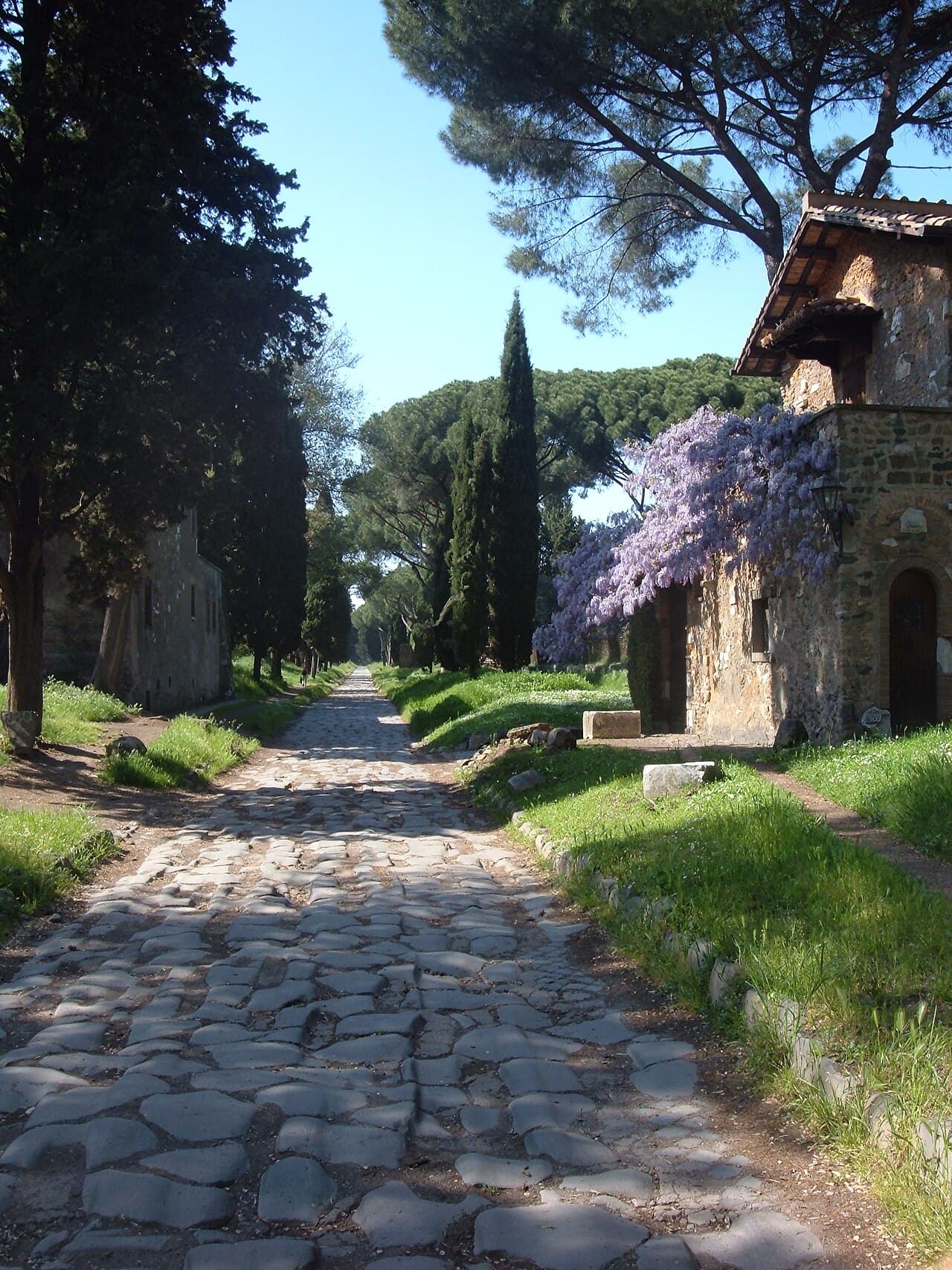
Photo : Kleuske at Dutch Wikipedia (CC BY-SA 3.0)
Constructed in 312 BCE by the Roman censor Appius Claudius Caecus, this ancient road represents one of the most significant examples of Roman engineering and infrastructure. The Appian Way connected Rome to Brindisi in southern Italy, facilitating military campaigns, trade, and administrative control across the peninsula for centuries. UNESCO recognized this heritage site in 2024 for its outstanding universal value as a testimony to Roman civilization, urban planning, and technological achievement. The route traverses the Roman countryside and urban areas, with surviving sections displaying original paving stones, burial monuments, and archaeological remains that illustrate the social and economic life of antiquity. Its physical characteristics include the distinctive basalt surface, Roman tombs lining the initial segment, and bridges that demonstrate Roman construction techniques. The Appian Way remains an essential archaeological and historical document of Roman society and continues to serve as a tangible link to classical civilization.
Location
Rome
Inscription
2024
Nearby World Heritage Sites
All sites →
Centre historique de Rome, les biens du Saint-Siège situés dans cette ville bénéficiant des droits d'extra-territorialité et Saint-Paul-hors-les-MursCultural11.2 km
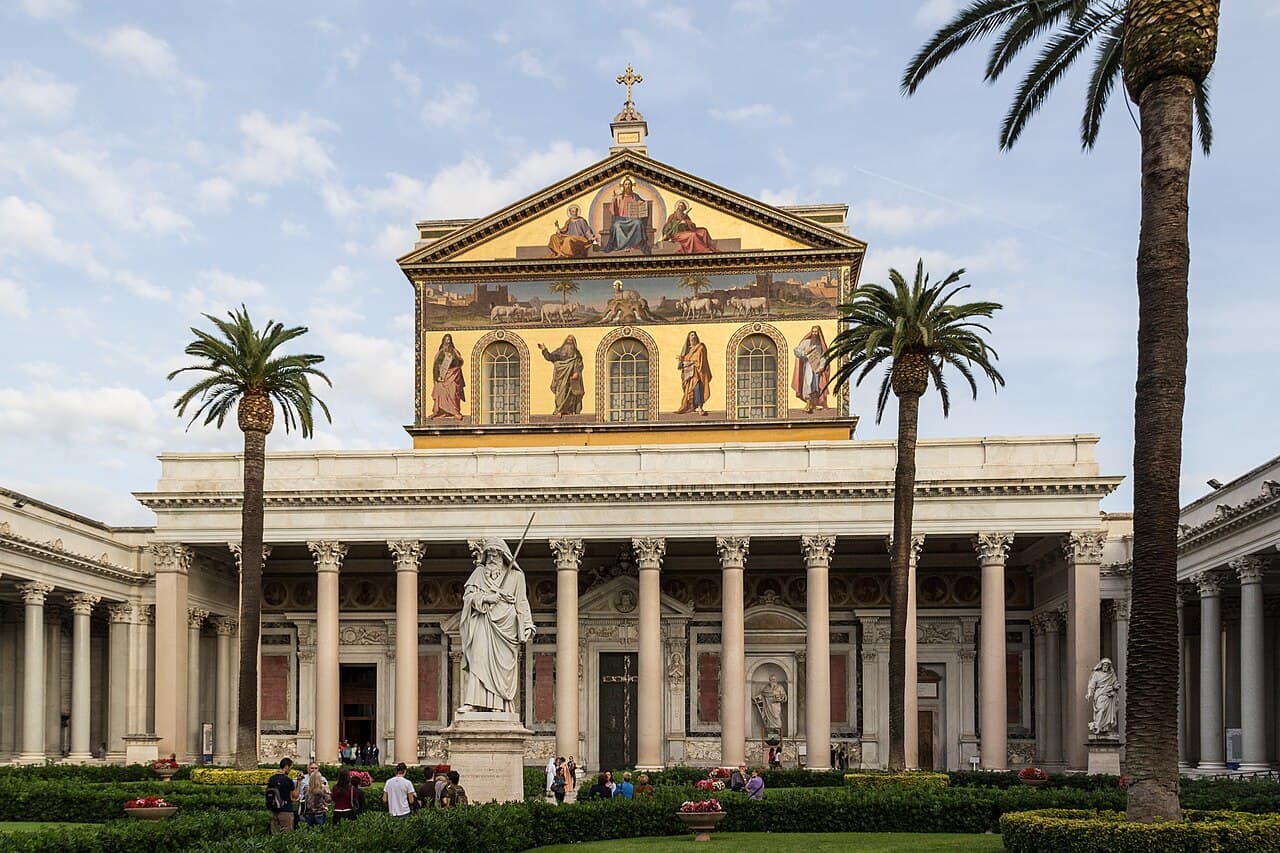
Historic Centre of Rome, the Properties of the Holy See in that City Enjoying Extraterritorial Rights and San Paolo Fuori le MuraRomeCultural11.4 km