Photo : Daniel Case (CC BY-SA 3.0)
Crespi d'Adda
Crespi d'Adda
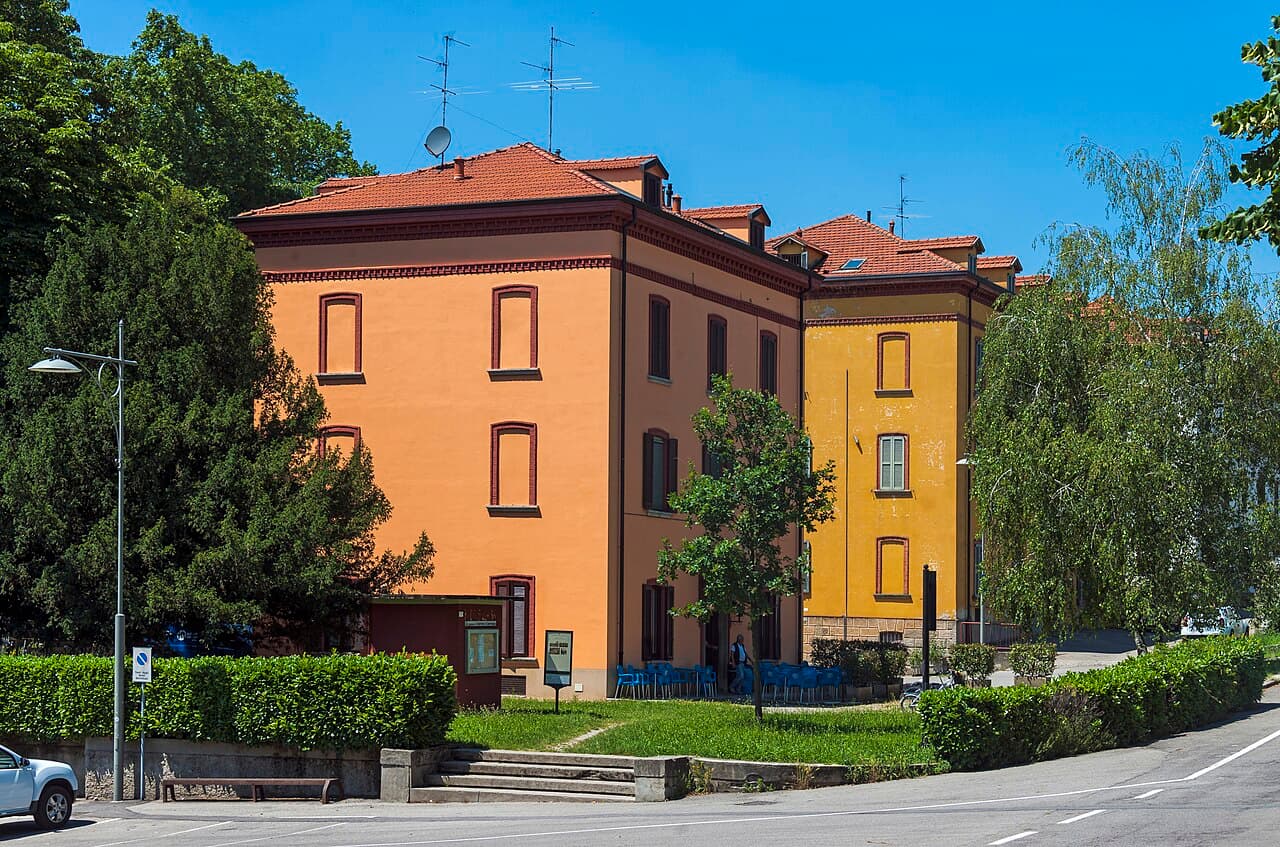
Located in the Lombardy region of northern Italy, this site represents a planned workers' village constructed at the end of the 19th century by the Crespi family, prominent textile industrialists. The village was built to house employees of a cotton mill and reflects the paternalistic industrial practices of the period, combining factory production with residential planning. The architectural layout follows a rational, hierarchical design typical of company towns, with housing arranged according to social status and with amenities such as schools, a church, and recreational facilities integrated into the urban plan. The site exemplifies late 19th-century industrial heritage and the relationship between capitalist enterprise and urban development during the industrial era. Its inscription as a UNESCO World Heritage Site in 1995 acknowledges its historical significance as an outstanding example of workers' housing and industrial paternalism in Europe. The village's coherent preservation of its original structures and organization provides valuable documentation of industrial-era social and architectural practices.
Nearby World Heritage Sites
Explore →