Cultural
Le qanat perse
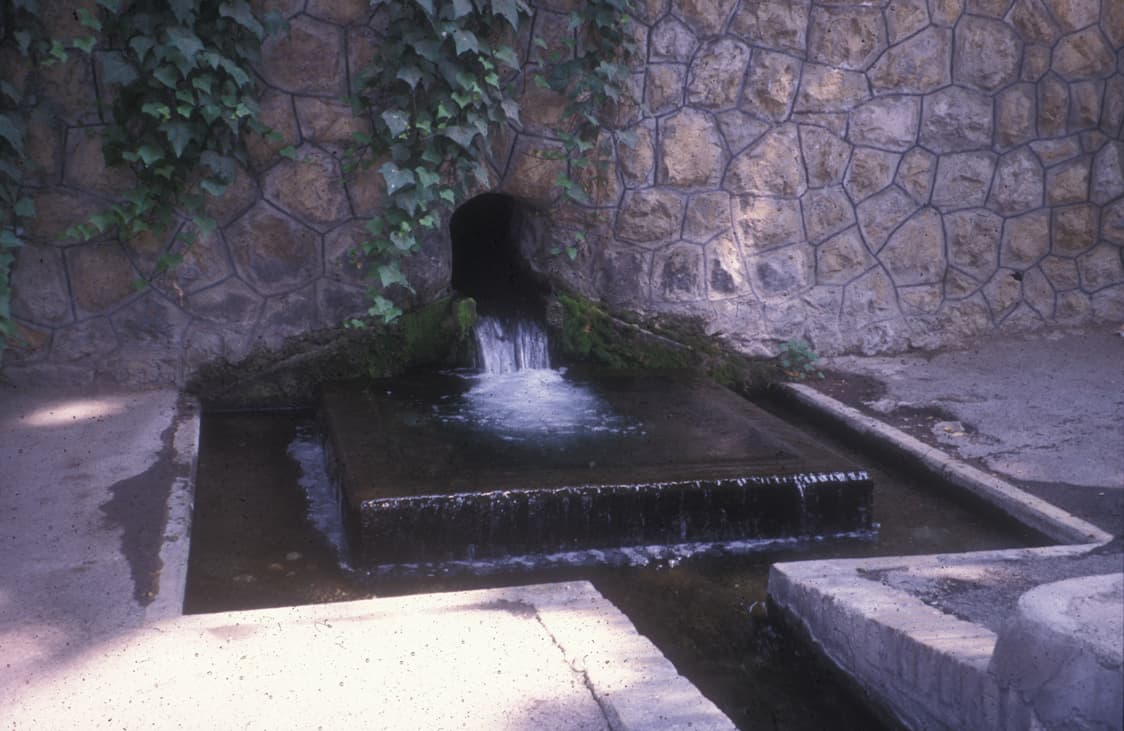
Photo : Zereshk at English Wikipedia (CC BY-SA 3.0)
This cultural heritage site encompasses the ancient Persian qanat system, an engineering marvel consisting of underground water channels designed to transport water across arid landscapes. The qanats represent a sophisticated approach to water management that developed in Iran and subsequently spread throughout the Middle East, North Africa, and Central Asia. These underground conduits feature a series of vertical access shafts that extend to considerable depths, allowing for maintenance while minimizing water loss through evaporation in the region's dry climate. Located across various areas of Iran, the qanats demonstrate remarkable technical knowledge and hydraulic engineering capabilities that sustained agricultural development and settlement in regions with limited surface water resources. The system's construction and maintenance required substantial labor and organizational coordination, reflecting the advanced administrative structures of historical Persian societies. The qanats continue to function in some locations and serve as significant archaeological evidence of historical settlement patterns and land use practices.