Cultural
Le caravansérail persan
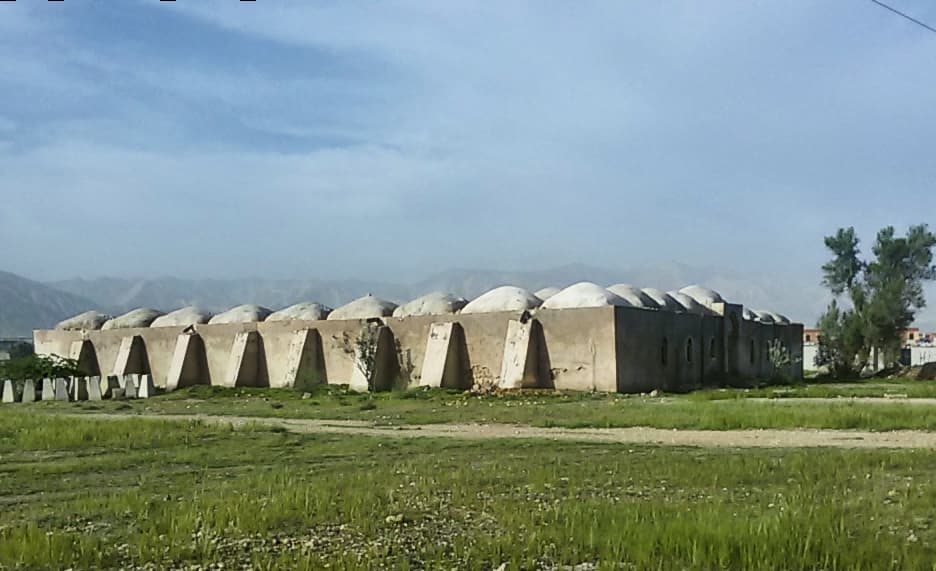
Photo : بهرام ديده جهان (CC BY-SA 4.0)
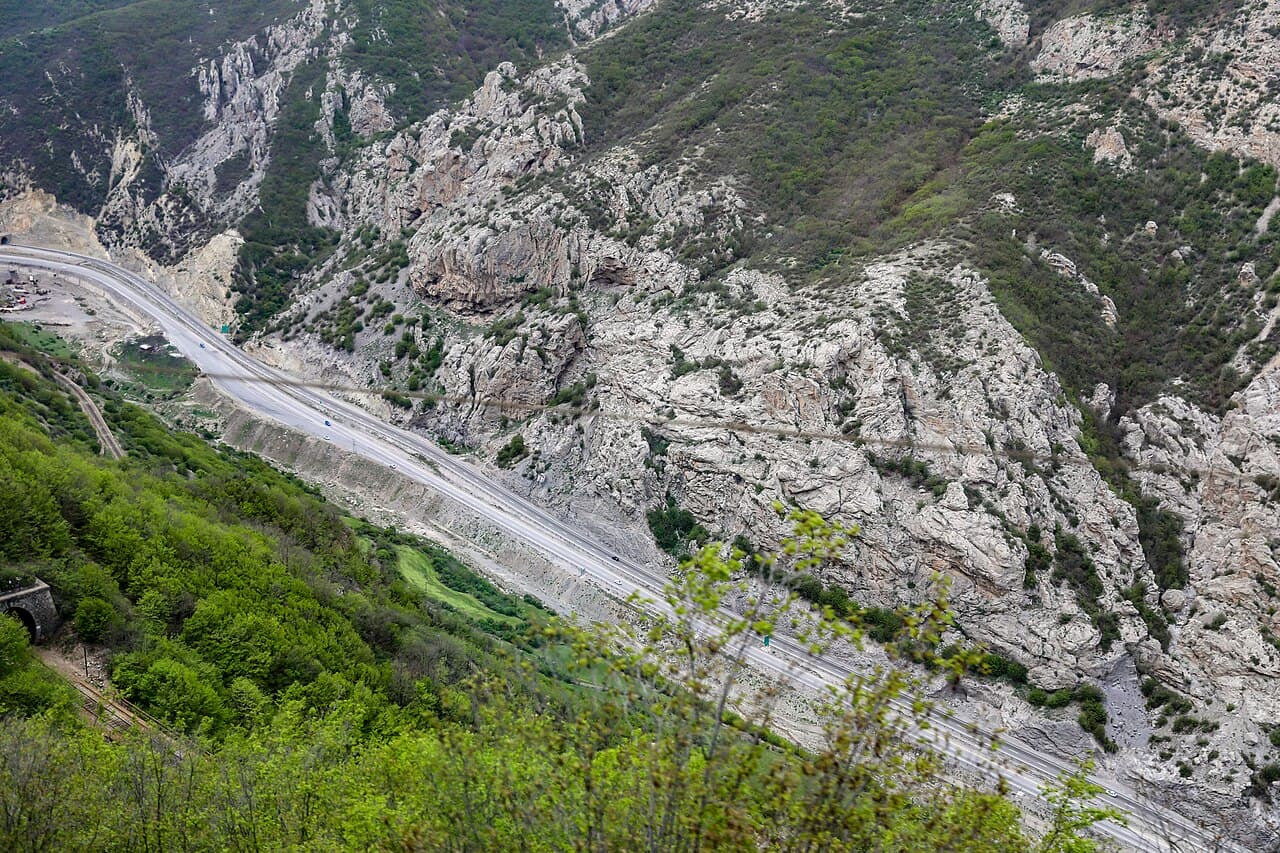
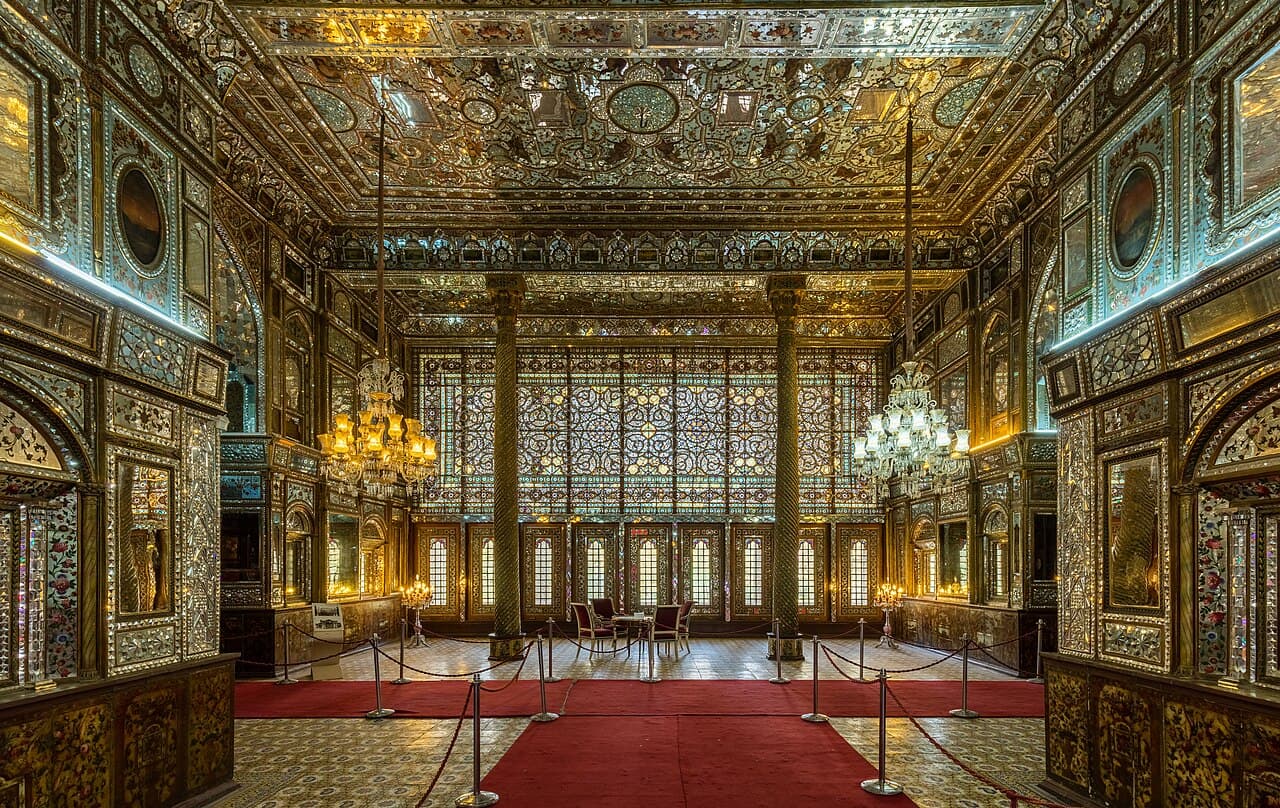
This cultural heritage site consists of Persian caravanserais, a network of fortified roadside structures that served as essential waystations along the historic trade routes crossing Iran. These buildings represent a significant architectural and logistical achievement, designed to provide shelter, security, and facilities for merchants, pilgrims, and travelers during long journeys across the Iranian plateau. The caravanserais are characterized by their distinctive layout featuring thick defensive walls, internal courtyards, and specialized spaces for storing goods and accommodating both people and animals. Distributed across Iran's varied landscape, from desert plains to mountainous regions, these structures reflect the adaptation of architectural design to different geographical and climatic conditions. The site's historical importance lies in its documentation of medieval and early modern trade networks and travel patterns that connected East and West, while demonstrating the sophistication of Persian engineering and urban planning principles. The surviving caravanserais preserve valuable evidence of commercial, cultural, and architectural practices that were fundamental to the development of Persian civilization.