Cultural
Ville historique d’Ahmedabad

Photo : Khushi Shah 280 (CC BY-SA 4.0)
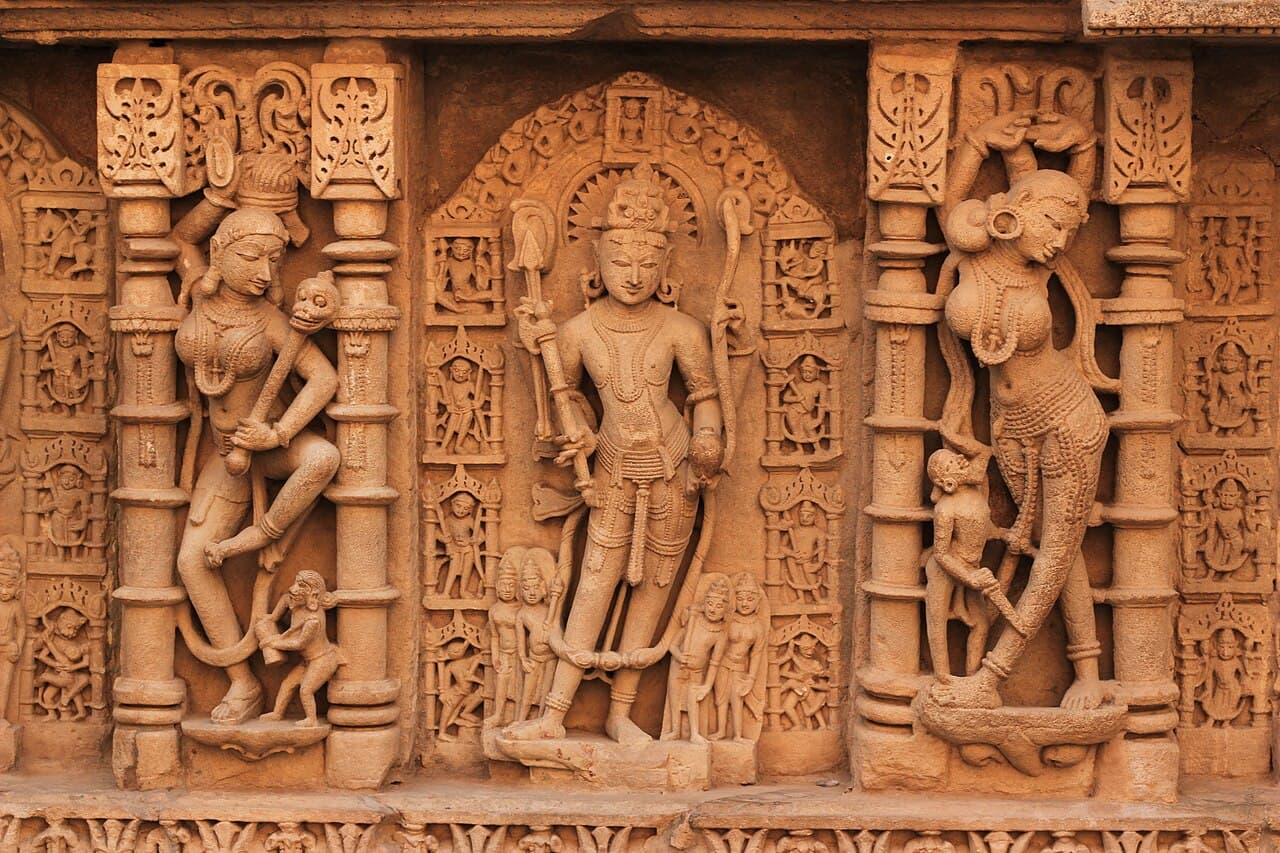
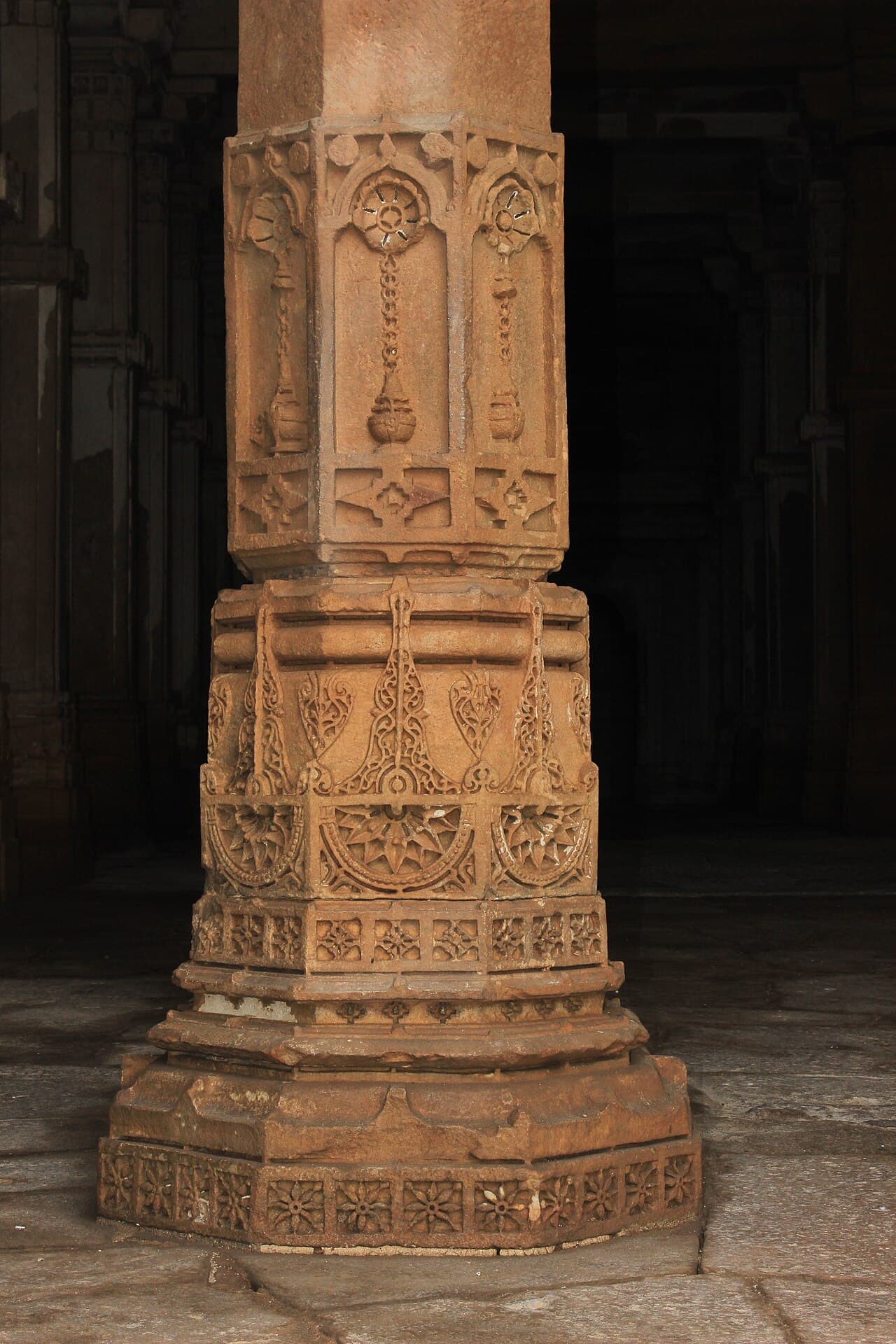
Located in the state of Gujarat in western India, Ahmedabad represents a significant example of medieval Indian urban planning and architecture. Founded in 1411 by Sultan Ahmed Shah, the city developed as an important trading and administrative center along traditional caravan routes. The old city is characterized by its distinctive street layout, traditional wooden and stone architecture, and numerous religious structures including mosques, temples, and stepwells that reflect the coexistence of Hindu and Islamic cultures. The heritage area contains well-preserved examples of civic and domestic architecture dating from the medieval period through the colonial era, with buildings featuring intricate carvings, carved wooden screens, and elaborate facade designs. The walled city demonstrates historical continuity through its surviving gates, bazaars, and residential neighborhoods that maintain their traditional character and functions. Ahmedabad's urban fabric exemplifies the cultural synthesis and mercantile prosperity of medieval Gujarat.