Cultural
Cité de Jaipur, Rajasthan
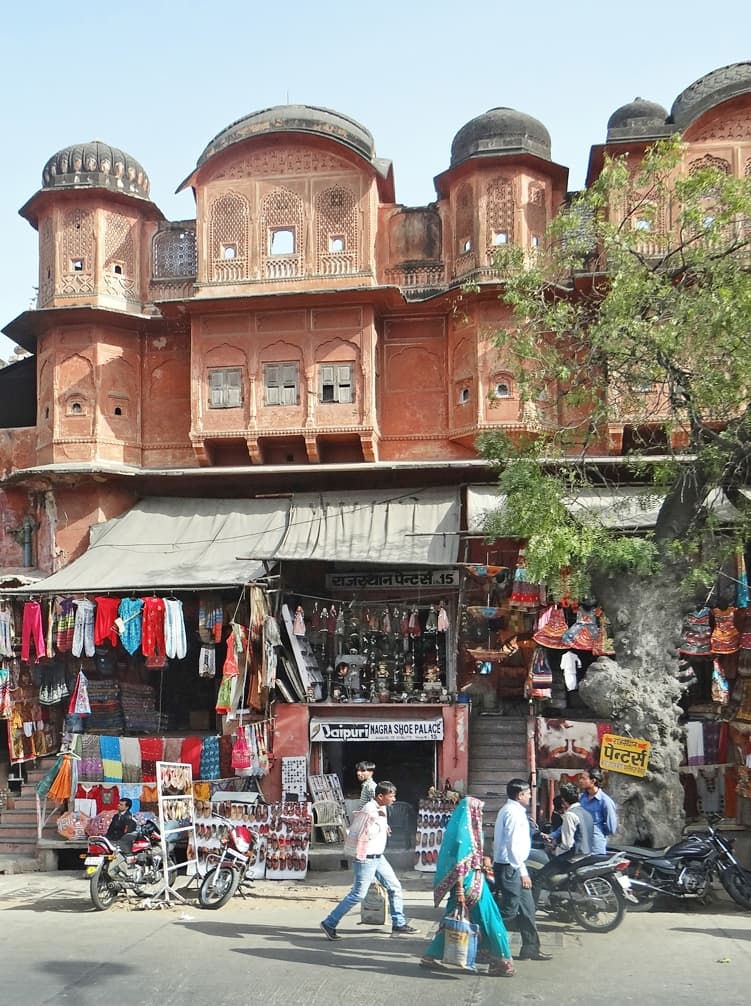
Photo : Jean-Pierre Dalbéra from Paris, France (CC BY 2.0)
Located in Rajasthan, northwestern India, this walled city represents a significant example of planned urban design from the 18th century. Founded in 1727, the city was laid out according to ancient Hindu and Mughal principles of town planning, organized on a grid pattern with wide streets and distinct residential and commercial quarters. The urban layout demonstrates a systematic approach to city design that reflects both aesthetic and functional considerations of its period. Characterized by distinctive pink-painted buildings and uniform architectural facades, the city presents a visually cohesive streetscape that has been largely preserved. The site's cultural significance lies in its intact urban structure and its representation of an important phase in Indian architectural and planning history, showcasing the synthesis of Indian and Mughal urban traditions.