Natural
Chemins de fer de montagne en Inde
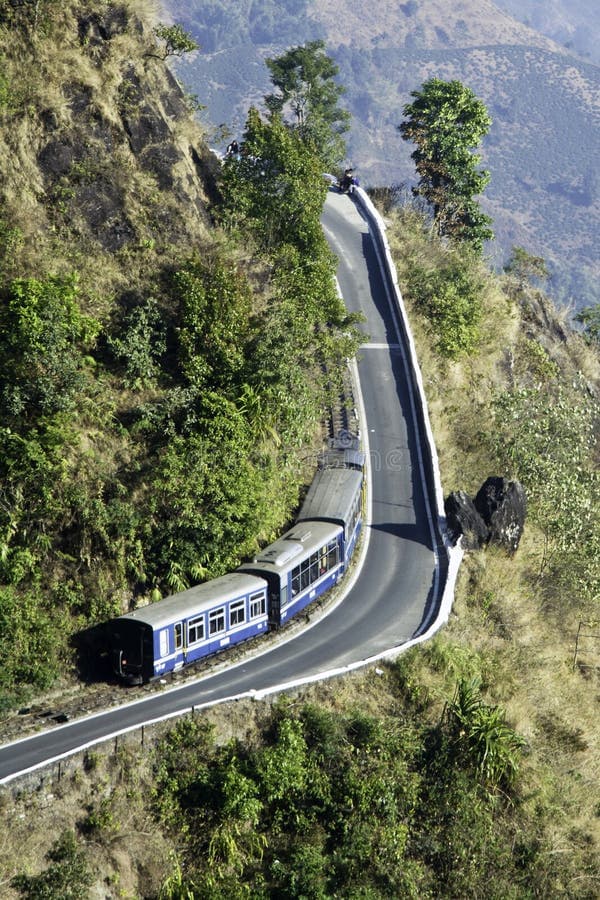
Mountain railways in India represent a significant engineering achievement from the British colonial period, constructed to connect remote mountainous regions with lower-lying areas and facilitate economic development. These narrow-gauge rail systems were built across challenging terrain in the Western Ghats, the Himalayan foothills, and other elevated regions, demonstrating innovative engineering solutions adapted to steep gradients and difficult topography. The railways are characterized by their distinctive engineering features, including sharp curves, steep gradients, and impressive viaducts and tunnels carved through mountain rock. They reflect the technological capabilities and construction methods of the late 19th and early 20th centuries, combining British railway engineering standards with local adaptation to extreme geographical conditions. These rail networks remain in operation today, serving both practical transportation needs and heritage tourism, while preserving historical infrastructure and representing an important aspect of India's industrial and cultural heritage.