Cultural
Vieille ville et Nouvelle ville d'Edimbourg
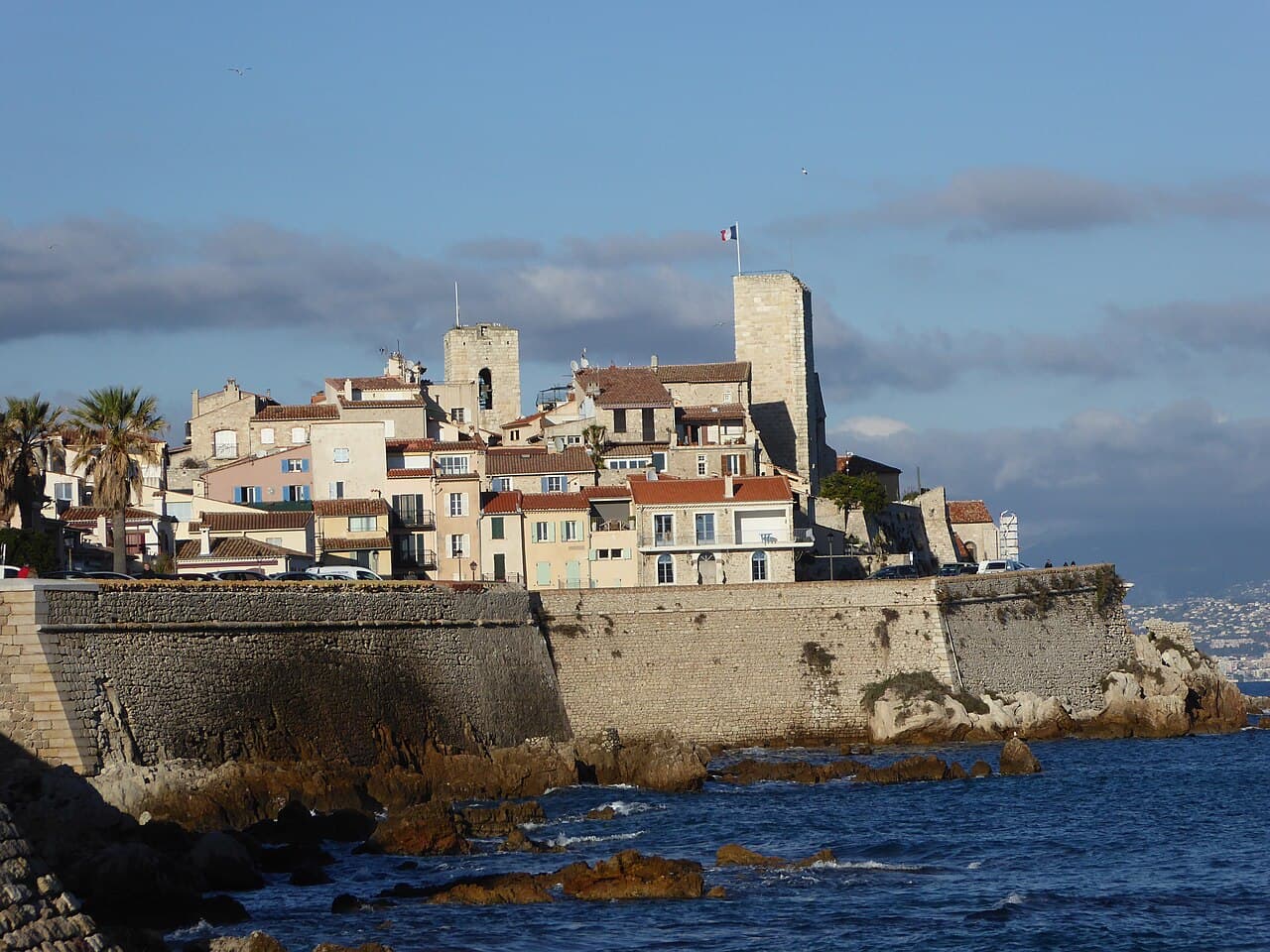
Photo : Abxbay (CC BY-SA 4.0)
Located in Scotland's capital city, this site encompasses the medieval Old Town and the planned New Town of Edinburgh, two distinct urban areas that together form a significant example of European urban development. The Old Town developed organically along the ridge descending from Edinburgh Castle and represents medieval Scottish urban settlement, while the New Town, constructed from the late 18th century onwards, exemplifies Enlightenment-era rational planning and neoclassical architecture. The contrasting layouts and architectural styles of these two quarters reflect different periods and approaches to city building, with the Old Town's dense, narrow closes and tenements contrasting sharply with the New Town's spacious streets and symmetrical Georgian squares. The site's topography, situated on volcanic hills and ridges in central Scotland, shaped both the medieval settlement pattern and influenced the design of the later planned expansion. Together, these areas document the evolution of urban design and living standards across several centuries, making the site a remarkable record of Scottish cultural and architectural history.