Cultural
Palais de Westminster et l'abbaye de Westminster incluant l'église Sainte-Marguerite
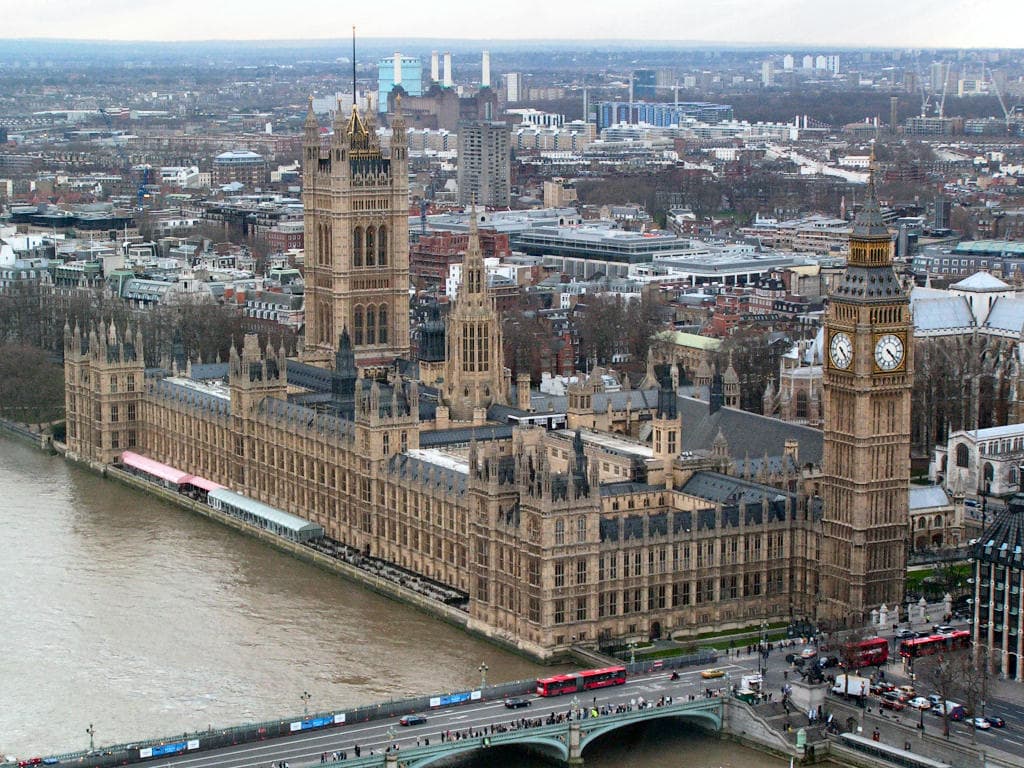
Photo : DaniKauf (CC BY-SA 3.0)
Located in London along the River Thames, this site comprises three interconnected monuments that represent pivotal moments in English and British history. The Palace of Westminster, seat of the British Parliament, is a striking example of Gothic Revival architecture dating from the 19th century, built following the destruction of the medieval palace in 1834. Westminster Abbey is a Gothic cathedral of exceptional architectural significance, founded in the 10th century and substantially rebuilt from the 13th century onwards, serving as the traditional coronation church and burial place of monarchs and notable figures. The Church of Saint Margaret, situated between the Abbey and the Palace, is a parish church of medieval origins that has maintained its historical importance as part of the Westminster complex. Together, these structures exemplify the development of English architectural styles across centuries and bear witness to the evolution of Parliament and religious institutions that have profoundly shaped British governance and culture. The site's designation recognizes its outstanding universal value as a testimony to political and ecclesiastical traditions that have influenced democratic institutions globally.