Cultural
Ville historique de Tolède
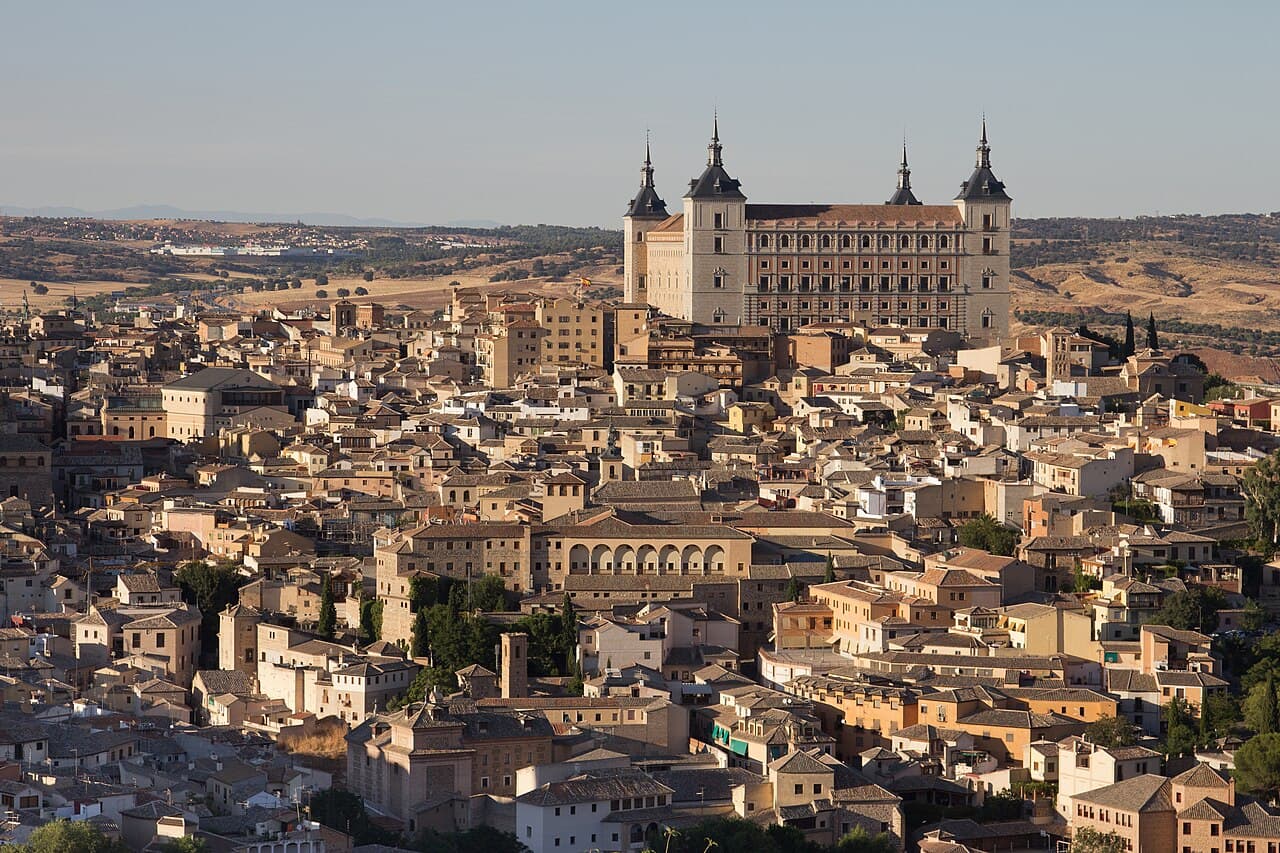
Photo : Carlos Delgado (CC BY-SA 3.0 es)
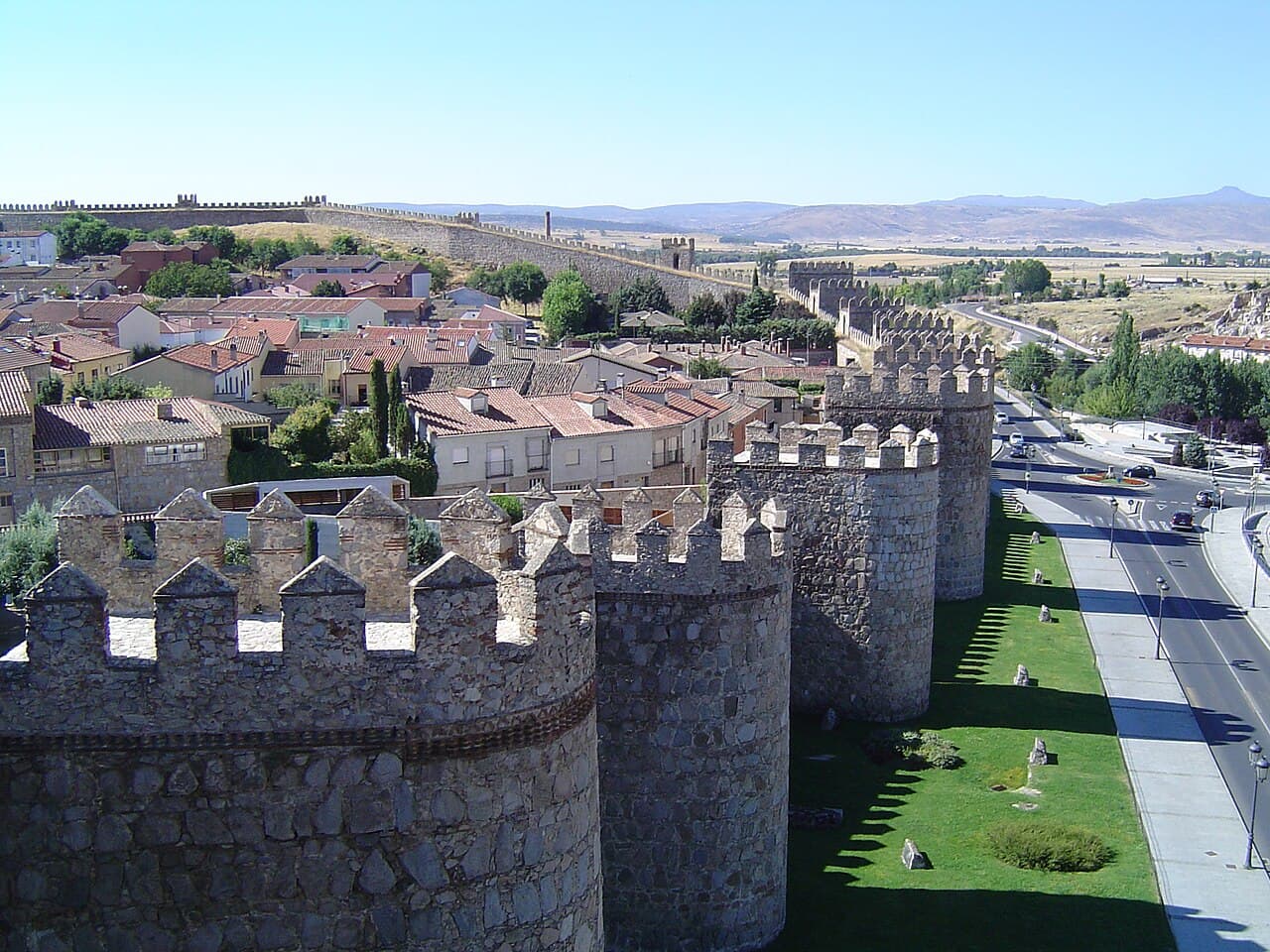
Perched on a hilltop surrounded on three sides by the Tagus River in central Spain, this medieval city represents a remarkable example of cultural and urban continuity spanning multiple centuries. The site exemplifies the coexistence of Christian, Muslim and Jewish communities during the medieval period, reflected in its architectural heritage which includes a cathedral, mosques converted to churches, synagogues and Islamic fortifications. The city's layout preserves its medieval street pattern, with narrow winding streets, plazas and residential quarters that reflect the distinct neighborhoods of its diverse population. Visually, the site is characterized by its dense urban fabric of stone buildings, Moorish fortifications including the Alcázar fortress, and panoramic views from surrounding vantage points that emphasize its strategic hilltop position. The harmonious integration of Romanesque, Gothic and Mudéjar architectural styles demonstrates the artistic synthesis resulting from its multicultural history. Its inscription recognizes the outstanding universal value of this ensemble as testimony to the cultural plurality and artistic achievement of medieval Iberian civilization.