Natural
Îles Galápagos
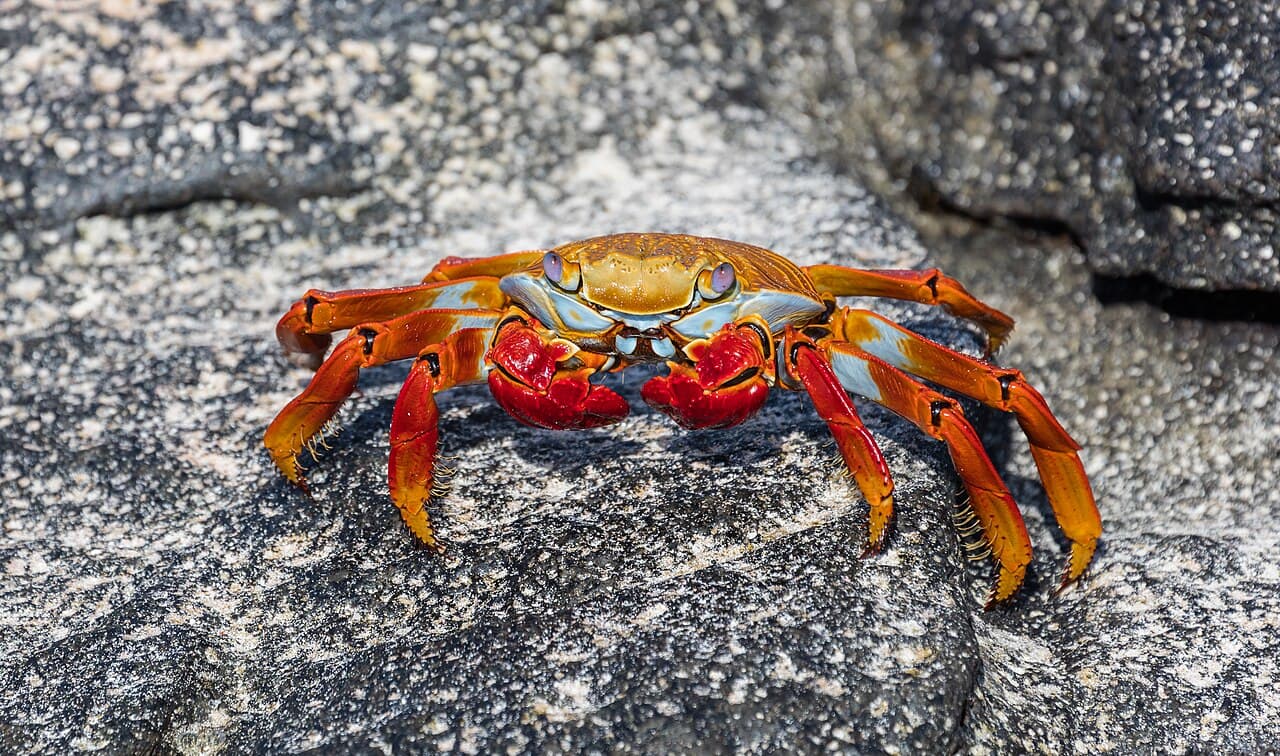
Photo : Diego Delso (CC BY-SA 4.0)
Located in the Pacific Ocean off the western coast of Ecuador, the Galápagos Islands represent a unique natural laboratory for the study of evolution and biodiversity. The archipelago comprises numerous volcanic islands characterized by distinctive geological formations and endemic species found nowhere else on Earth. The islands' isolated position has allowed for the development of remarkable fauna and flora adapted to specific island environments, including marine iguanas, giant tortoises, and numerous bird species. The natural heritage of the Galápagos Islands justifies recognition due to the exceptional ecological and biological processes ongoing within the archipelago, which continue to demonstrate principles of natural selection and speciation. The landscape features volcanic terrain, coastal ecosystems, and marine habitats that support complex interactions between terrestrial and aquatic species. The islands remain of considerable scientific importance for understanding evolutionary biology and conservation of unique ecosystems.