Cultural
Vallée du M'Zab
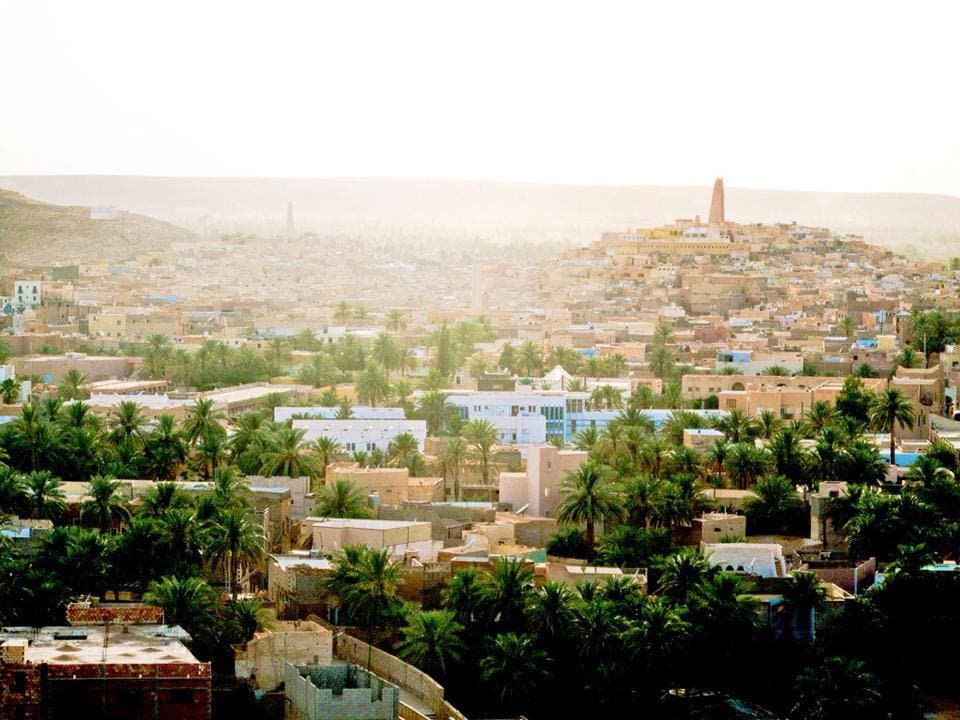
Photo : Douag Brahim (CC BY-SA 3.0)
Located in the Ghardaïa Province of Algeria, this cultural site encompasses a series of five traditional towns arranged in the M'Zab valley in the northern Sahara. The settlements were founded by Ibadi Muslims between the 10th and 12th centuries and represent a distinctive architectural and urban planning tradition adapted to the harsh desert environment. The towns are characterized by their dense, compact layouts with narrow streets, fortified structures, and buildings constructed from local stone and clay, reflecting a unique approach to settlement design that has persisted for nearly a millennium. The site exemplifies the integration of social, religious, and economic functions within a carefully organized urban structure, where mosques, markets, and residential quarters are arranged according to specific Islamic and communal principles. The M'Zab valley demonstrates the historical development of a self-sufficient desert civilization with its own water management systems, agricultural terraces, and trade networks. This cultural ensemble preserves exceptional testimony to medieval Islamic urbanism and the architectural heritage of the Saharan regions.